
Indicators: Regeneration of Party Leaders in Indonesia Faces Stalemate
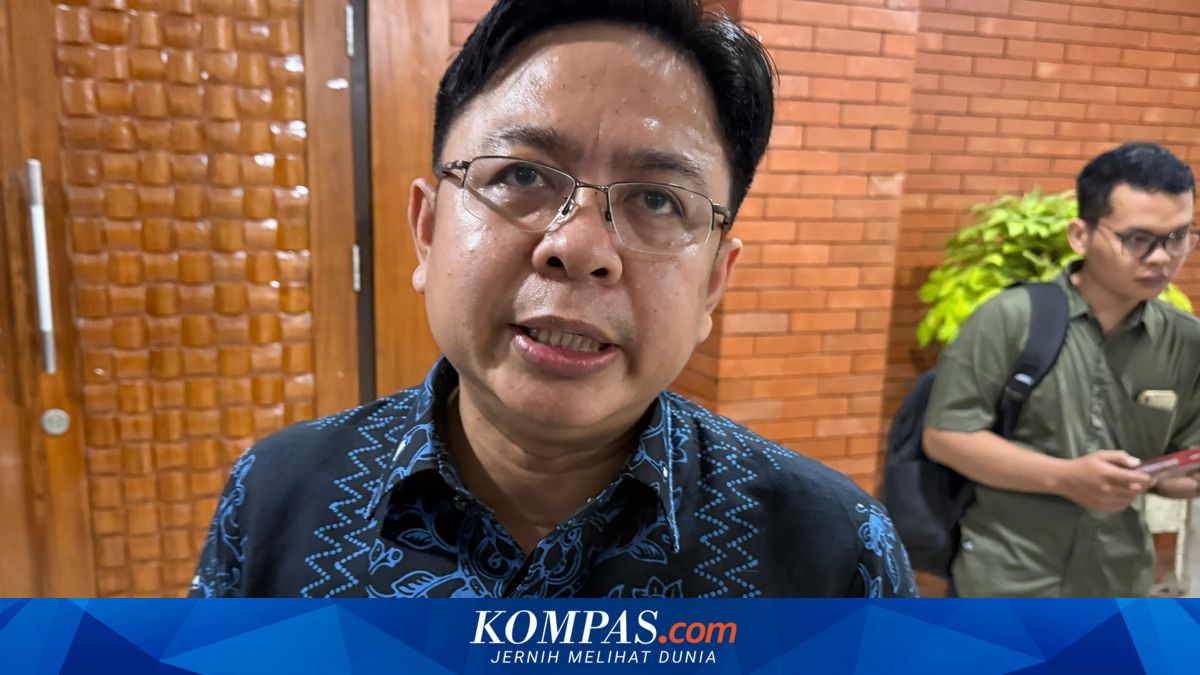
JAKARTA, KOMPAS.com - The Executive Director of Indikator Politik Indonesia, Burhanuddin Muhtadi, stated that party regeneration in Indonesia has experienced gridlock or stalemate.
He made this remark while observing the general chairmen (ketum) of political parties (parpol) who have been repeatedly re-elected.
“Our party regeneration is stalled, not just stalled, but gridlocked. Gridlock means there’s absolutely no way forward. Initially, only a few parties experienced regeneration stagnation. But lately, new parties or post-reformasi parties have also faced stagnation,” said Burhanuddin at UIN Syarif Hidayatullah Jakarta on Thursday (23/4/2026).
In addition to PKS and Golkar, according to Burhanuddin, they have already undergone a process of internal party democratisation stagnation.
Nevertheless, Burhanuddin regrets that the election processes in PKS and Golkar are beginning to experience a decline in quality.
“For example, in the past, Golkar’s congresses were extraordinarily intensive and competitive, but lately, that has diminished—the atmosphere of quality regeneration, although Golkar is still better than many other parties,” he explained.
He emphasised that one of the functions of parties often mentioned is political regeneration and cadre development.
“All of that is stalled if the election process for party leaders experiences no turnover at all. And that creates a kind of disincentive for quality party cadres,” said Burhanuddin.
“Because they feel there’s no regeneration atmosphere inside, and then they withdraw from political affairs, so I completely agree. Is this still far off? Is it still a long way?” he added.
The KPK proposes limiting the tenure of political party general chairmen to a maximum of 2 management periods.
This proposal was submitted by the KPK’s Monitoring Directorate in its study on political party governance, which found that there is no integrated standard for cadre systems.
“To ensure the smooth running of cadre development, regulation is needed to limit the leadership of the general chairman to a maximum of 2 periods of management tenure,” stated the KPK’s Monitoring Directorate on Wednesday (22/4/2026).
“It encourages political parties to implement the Constitutional Court Decision Number 60/PUU-XXII/2024 on the minimum threshold for regional head elections through recruitment of regional head candidates based on cadre development,” it stated.
The KPK also proposes several additions to the revision of Article 29 of Law Number 2 of 2011 on Political Parties, namely regarding political party membership in Article 29 paragraph (1) letter a, adding that political party members consist of young, middle, and senior members.