
India's West Bengal Deports 5,000 Bangladeshi Migrants, Sparking Religious Tensions and Diplomatic Row
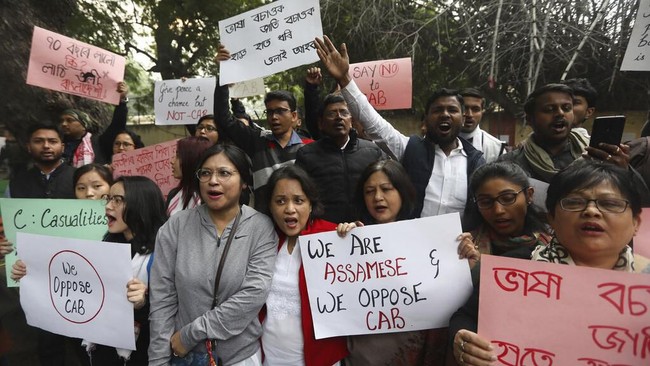
The government of the Indian state of West Bengal has launched a major crackdown on undocumented Bangladeshi migrants. In the past two weeks alone, thousands have been detained and placed in holding centres before being deported back to Bangladesh.
West Bengal Chief Minister Suvendu Adhikari stated that nearly 5,000 Bangladeshi infiltrators have been deported since the policy began. “So far, 4,800 Bangladeshi infiltrators have been deported. Another 836 are currently in detention camps and we are arranging their deportation as soon as possible,” Adhikari told reporters in Kolkata.
The policy has drawn widespread attention because the deportation drive explicitly targets Muslim Bangladeshis living illegally in India. This focus has raised concerns about rising religious tensions in a state where approximately 27% of the population is Muslim.
India and Bangladesh share a 4,096-kilometre border, one of the longest in the world. For decades, cross-border migration has been common due to cultural and linguistic similarities, as well as better economic opportunities in India.
One affected migrant, Raisul Islam, arrived in India with his family two years ago. He decided to settle in Kolkata after finding work with higher wages than in his home country. “We came here for my wife’s medical treatment, but then chose to stay because jobs were easier to find. Now we have decided to surrender because we fear harassment from locals and the police,” he said. Islam paid nearly US$250 to a broker to help his family cross into India. In Kolkata, he and his wife worked as construction labourers earning about US$10 per day.
Another migrant, Mirazul Ghazi, had lived in India for five years. He and his wife also worked in construction, earning around US$12 daily, before deciding to return to Bangladesh to avoid potential violence.
At the Hakimpur border post, police report that 250 to 300 undocumented migrants arrive daily to undergo identity verification and biometric recording before being sent back.
The deportation operation has worsened diplomatic relations between India and Bangladesh. Dhaka has urged New Delhi to follow official citizenship verification procedures before repatriating individuals, warning that unilateral actions could affect bilateral ties.
Responding to the criticism, Indian Ministry of External Affairs spokesperson Randhir Jaiswal stated that all foreign nationals residing illegally in India are processed according to the law. He added that India has submitted data on thousands of suspected Bangladeshi nationals to Dhaka for verification.
Human rights organisations have also condemned the policy. Elaine Pearson, Asia Director at Human Rights Watch, argued that migrants must be granted access to legal assistance to prevent wrongful deportations, including the potential removal of Indian citizens mistakenly identified as foreigners.
Beyond the debate on illegal migration, the policy has deepened religious tensions in India. Activists warn that the crackdown, which overwhelmingly targets Muslim migrants, risks fuelling sectarian sentiment at a time when India-Bangladesh relations are already under strain.