
India’s Electricity Crisis Deepens, but Coal Prices Remain Subdued
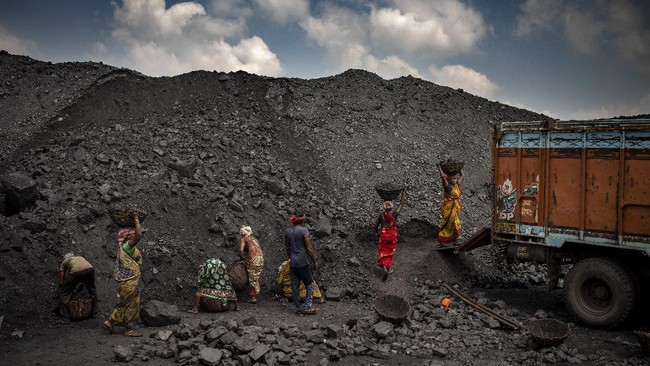
Coal prices continued to weaken despite an electricity crisis in India, the world’s second-largest coal consumer after China.
According to Refinitiv, coal closed at US$152.50 a tonne on Wednesday, 20 October 2026, down 0.7%. The decline extended losses to a second consecutive session, although prices remained near a three-year high.
Coal prices fell even as India and China were reported to be facing supply shortages. Reuters reported that half of India’s 191 coal-fired power plants were operating with critically low fuel stocks.
The shortages have followed a surge in electricity demand amid hotter-than-usual weather, which has been linked to the El Niño phenomenon, according to government data.
The number of plants with critically low coal stocks — enough fuel to generate electricity for fewer than three days — rose to 96 as of 19 October, from 60 in mid-September, data from the Central Electricity Authority (CEA) showed. This came despite India’s Coal Ministry saying last week that it had increased supplies to power plants.
Government data also showed that total coal stocks at Indian power plants had fallen by about 5% since the start of October. Daily peak electricity demand this year has been around 45 to 50 gigawatts (GW) higher than during the same period last year.
Lower-than-usual monsoon rainfall has contributed to the situation by reducing hydropower generation and increasing reliance on thermal power plants.
In September, the gap between India’s electricity demand and supply widened to 560 million kilowatt-hours (kWh), its highest level since August 2023. This occurred even as coal-fired power plants increased output to meet strong demand.
CEA data showed coal-fired power generation rose 13.3% in September from a year earlier, while hydropower generation fell 20%.
India continues to expand renewable energy, with almost 55% of its electricity generation coming from non-fossil sources. However, limited battery capacity for storing clean energy means the South Asian country remains reliant on coal-fired plants when electricity demand surges.
In China, coal imports rose month on month. China imported 43.37 million tonnes of coal in September 2026, up from 42.09 million tonnes in August, but down about 5.7% year on year.
Indonesia remained China’s largest supplier by total volume. Chinese imports of Indonesian coal reached 14.62 million tonnes in September, although this was 32% lower than a year earlier.
Indonesian supply has faced constraints. Adjustments to production-quota approvals and low river levels in Kalimantan have disrupted coal availability and shipments.
Source: jawawa.id (https://jawawa.id/newsitem/indias-electricity-crisis-deepens-but-coal-prices-remain-subdued-1792630252)
Originally published by CNBC Indonesia (https://www.cnbcindonesia.com/research/20261022065033-128-778413/krisis-listrik-india-makin-parah-harga-batu-bara-malah-adem-ayem), translated from Indonesian