
India's Elections Heat Up! 9.1 Million Muslims and Minorities Lose Voting Rights
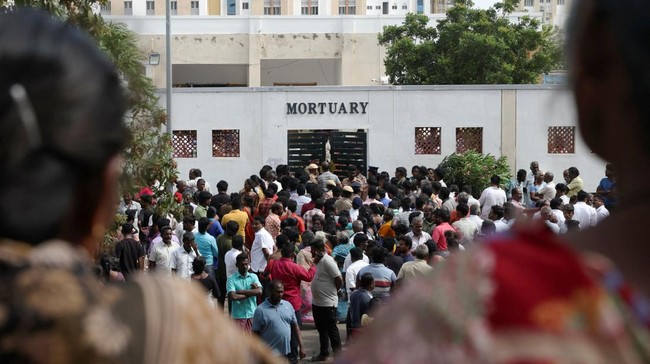
India’s state elections in West Bengal are heating up after millions of residents reportedly lost their voting rights due to a large-scale revision of the voter list. The policy has sparked controversy for its disproportionate impact on Muslims and other minority groups.
Data shows that around 9.1 million names, or more than 10% of the total electorate, have been deleted from the permanent voter list (DPT). Although some are claimed to be duplicates or deceased voters, approximately 2.7 million citizens have lodged objections but have not had their rights restored.
The central government, led by Prime Minister Narendra Modi through the Bharatiya Janata Party (BJP), describes the measure as part of the Special Intensive Revision (SIR). The programme, according to the government, aims to filter out “infiltrators” and safeguard the integrity of the democratic system.
Home Minister Amit Shah has previously emphasised that the policy is necessary to “prevent infiltration in order to protect the democratic system from contamination”. However, the step has provoked fierce criticism from the opposition and several experts who see the policy as laden with political interests.
Trinamool Congress (TMC) parliamentarian Sagarika Ghose described the mass deletions as a constitutional violation.
“What is happening in Bengal is a constitutional crime. It is a crime against the people of India,” she said, as quoted by The Guardian on Wednesday (22/4/2026). “One person, one vote is a great right guaranteed by the constitution, but now it has been snatched away.”
Several studies also indicate that Muslims and other religious minorities are the groups most affected. Sabir Ahamed, a researcher monitoring the process, cited religion as the main distinguishing factor in voter deletions.
“According to our research, Muslims are disproportionately impacted,” Ahamed said.
In several Muslim-majority areas, nearly half of the voters have reportedly been removed from the list, including those with official documents proving Indian citizenship since birth.
Field stories reinforce these findings. Jaber Ali, an official involved in data verification, admitted to still losing his voting rights despite having checked hundreds of households.
“Ironically, my name and my family’s name have also been deleted,” he said. “Everyone deleted here is Muslim.”
The policy’s impact is also felt by long-serving citizens. Senarul Haque, a retired paramilitary officer, expressed disappointment after his name disappeared from the DPT despite submitting complete documents.
“I have served in elections across the country. Now I am denied the right to vote, and no one is taking responsibility,” he said.
Legal proceedings to challenge the deletions are ongoing, but most have not been resolved before polling day. As a result, many citizens are certain to be unable to exercise their voting rights in India’s elections.