
Indian PM Modi to Visit Jakarta and Yogyakarta on 6-8 July, Set to Meet Prabowo
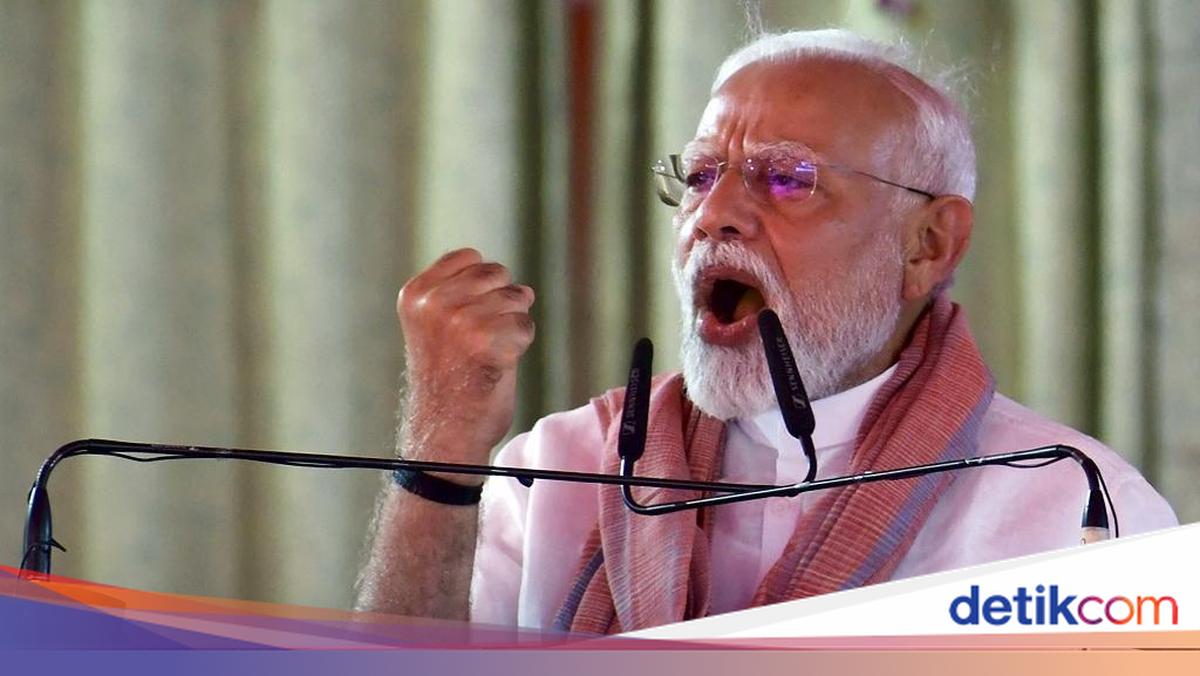
Indian Prime Minister Narendra Modi has been confirmed to visit Indonesia from 6 to 8 July 2026. PM Modi has been invited by President Prabowo Subianto to discuss several key issues.
As reported by Antara on Friday (3/7/2026), the confirmation was made by the Indian Ambassador to Indonesia, Sandeep Chakravorty, during a press conference at the Indian Embassy in Jakarta. He stated that PM Modi’s visit to Indonesia would be brief, lasting only two nights.
According to current plans, PM Modi will visit two cities: Jakarta and Yogyakarta. Ambassador Chakravary noted that PM Modi is scheduled to arrive in Jakarta on the evening of 6 July.
On 7 July, PM Modi will commence his state agenda with a bilateral meeting with President Prabowo, followed by a state banquet. Following the meeting, PM Modi is expected to deliver a speech to the meeting participants.
Later that evening, the Indian Prime Minister will also address the Indian community residing in Indonesia. The following day, Modi will continue his visit to Yogyakarta before departing for Australia.
According to Ambassador Chakravorty, the visit is part of an effort to strengthen India’s strategic ties with key partner nations in the Indo-Pacific region, including Indonesia.
He noted that India and Indonesia have established a comprehensive strategic partnership. He remarked that the relationship between the two nations is long-standing and rooted in strong civilisational ties.
Nevertheless, the challenge ahead is to ensure that this friendship becomes increasingly relevant to both populations and is capable of providing tangible benefits to daily life.
Consequently, Prime Minister Narendra Modi’s visit will focus on strengthening several pillars of cooperation. The first pillar is the defence and security sector, given that both India and Indonesia are maritime nations sharing waters and neighbouring maritime territories.
The second pillar involves trade and investment, as both nations are significant trading powers.
Furthermore, discussions will cover food security, energy security, downstreaming cooperation, the development of critical minerals, as well as capacity building in the fields of health and education.
“Overall, there are approximately four to five main pillars that will be the focus of cooperation,” said Chakravorty.