
India ready to explore nuclear cooperation with Indonesia, says ambassador
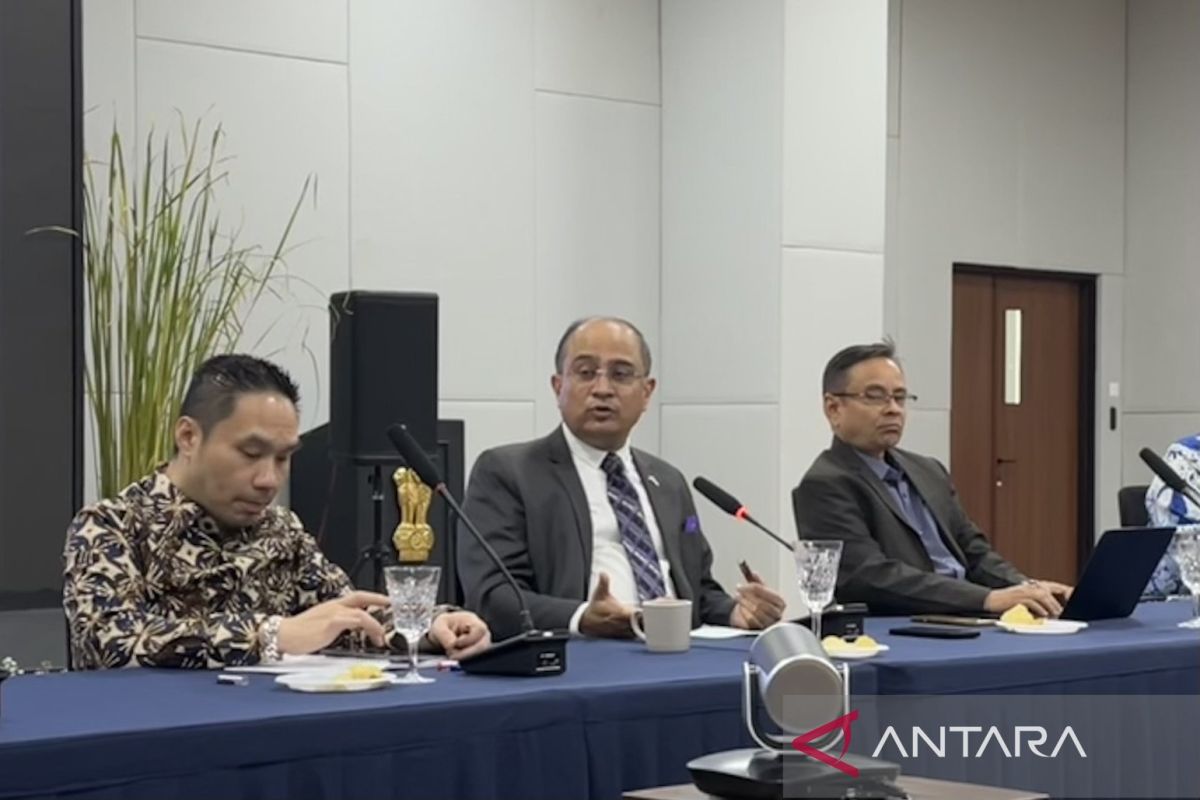
India’s Ambassador to Indonesia, Sandeep Chakravorty, has expressed his country’s readiness to explore opportunities for nuclear development cooperation with Indonesia.
Speaking during a discussion on prospects for bilateral cooperation following Indian Prime Minister Narendra Modi’s visit to Indonesia in July 2026, the ambassador explained that India continues to seek opportunities and sectors for collaboration with Indonesia.
“We would even like to support Indonesia’s nuclear programme,” Ambassador Chakravorty said at the Indian Embassy in Jakarta on Wednesday.
While acknowledging that India-Indonesia cooperation is already broad and covers key sectors such as education, pharmaceuticals and space technology, the ambassador said many other sectors could still be explored.
According to Chakravorty, given Indonesia’s desire to develop a civil nuclear programme for peaceful purposes, India is interested in contributing to that effort.
Moreover, India has strong capabilities in the field, the ambassador said.
“We have long experience in this area, and we can be a partner in its development,” the Indian ambassador said.
The spirit of expanding bilateral cooperation, including into the nuclear field, is one of the outcomes of reciprocal visits between Indonesian President Prabowo Subianto and Prime Minister Narendra Modi.
“Meanwhile, PM Modi’s visit to Indonesia last month brought new dynamism and impetus to the bilateral partnership,” he added.
He also expressed hope that with strengthened bilateral relations, Indonesians would make India their first choice in various aspects of life, such as when travelling abroad, seeking trade commodities or pursuing further education.
“Our partnership is multidimensional. We are also seeking niches in every field,” Chakravorty said.
During his visit to Indonesia last month, Indian Prime Minister Narendra Modi promoted the Gangga-Mahakam Vision to strengthen the strategic partnership between India and Indonesia.
Named after famous rivers in each country, the vision emphasises the need for both nations to deepen cooperation in five priority areas: civilisational connectivity, shared development, security, maritime prosperity, and the voice of developing countries or the Global South.
According to him, the vision will pave the way towards peace, prosperity and shared progress for future generations.