
IndexMundi Survey Sparks Controversy, Burhanuddin Muhtadi Highlights Methodological Weaknesses
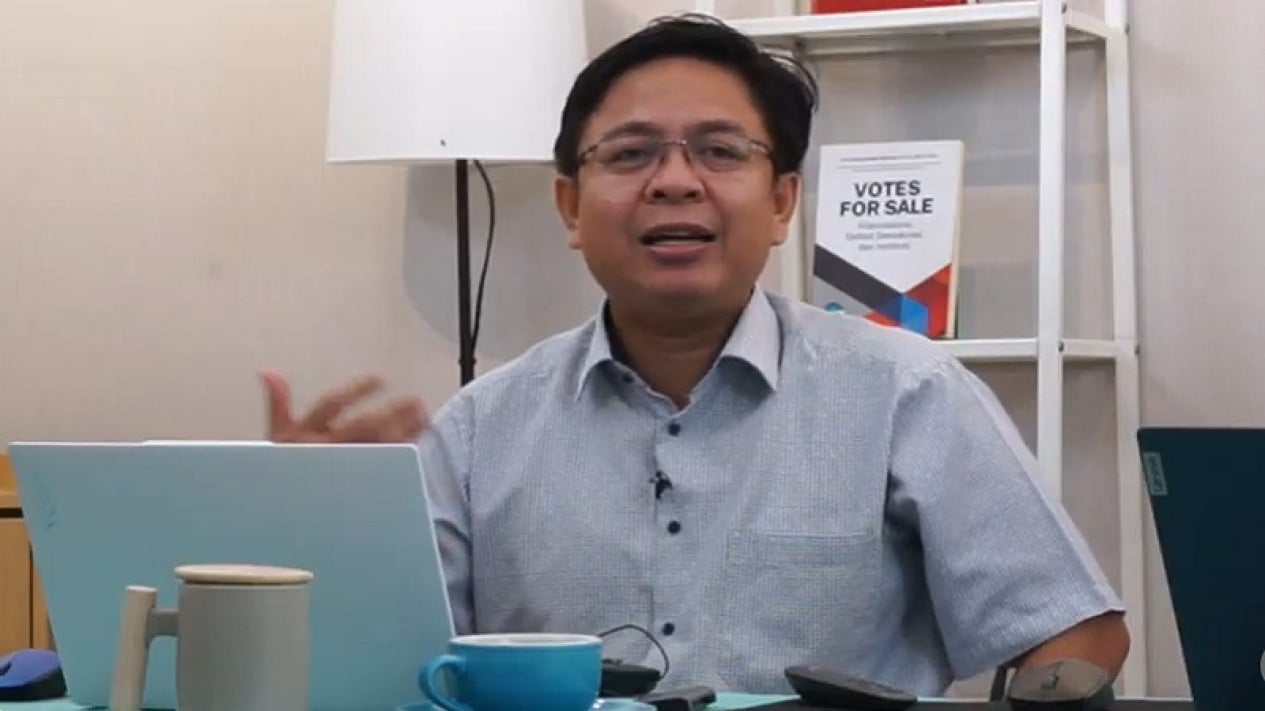
The founder and Lead Researcher of Indikator Politik Indonesia, Burhanuddin Muhtadi, has raised concerns regarding a survey released by IndexMundi Global Surveys. He suggests that the primary issue lies not with the subjects being assessed, but with the quality of the methodology employed.
According to Muhtadi, survey results must be supported by research methods that are scientifically accountable. This follows significant scrutiny of a recent survey that positioned the Indonesian National Police (Polri) as the institution perceived as the most corrupt in Southeast Asia.
“The main weakness in the methodology of IndexMundi Global Surveys lies in the use of open web-based polling without strict sample controls,” Muhtadi stated in a briefing on Tuesday, 7 July 2026.
He noted that data collection through open online surveys is unable to comprehensively represent the entire population. The collected data merely reflects the views of a subset of internet users who chose to participate.
“The resulting data reflects the subjective perceptions of internet users, rather than empirically verified scientific statistical data,” he added.
Muhtadi explained that a fundamental issue in the survey is the emergence of sampling bias. This occurs because respondents are limited to individuals who have internet access, technological literacy, and proficiency in the language used on the survey platform.
This condition means the sample is not selected through pure random sampling, and therefore does not represent a country’s demographic composition based on age, gender, income level, or region.
The Professor of Political Science at UIN Jakarta also assessed that the voluntary data collection system allows for self-selection bias. Under such a scheme, anyone accessing the site can complete the survey, meaning the recorded opinions could potentially be dominated by groups holding extremely positive or extremely negative views on an issue.
“Without identity verification, the loose submission system creates loopholes for individuals or groups to complete the survey multiple times using VPNs or different devices to manipulate the rankings of specific countries,” he remarked.
Muhtadi also highlighted the lack of transparency regarding the number of respondents used as the basis for the scores in each country. He observed that the absence of information regarding sample size means that changes in a country’s ranking could potentially be influenced by a very small number of respondents.