
Independence, energy sovereignty, and the electricity switch
Achieving energy self-sufficiency requires an understanding of Indonesia’s conditions. Every 17 August, we celebrate independence as a nation that determines its own direction and future. Safeguarding independence also means strengthening the foundation for continued growth and prosperity, including through energy self-sufficiency.
Energy is the lifeblood of the economy. Its flow powers factory machinery, drives community enterprises, and lights up households. When that flow is obstructed, the economic pulse slows, costs soar, and opportunities narrow. For this reason, energy is a crucial factor for Indonesia in determining its development path.
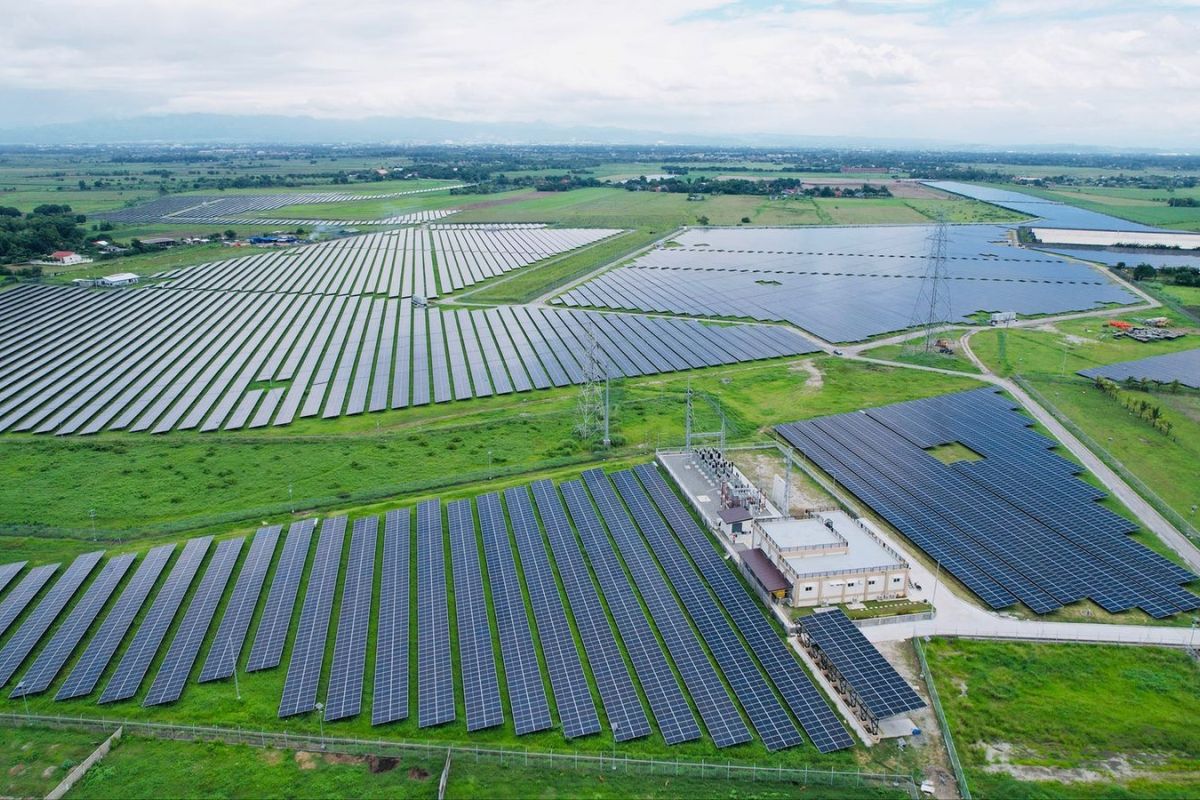
The administration of President Prabowo Subianto has placed energy self-sufficiency as a key part of the national sovereignty agenda, one of which is through the target of building solar power plants with a capacity of 100 gigawatts (GW) within four years. As an initial phase, the government is targeting 30 GW of this to be completed this year.
This programme is not merely rhetoric. The Ministry of Energy and Mineral Resources (ESDM), together with the Ministry of Agrarian Affairs and Spatial Planning/National Land Agency (ATR/BPN), has identified approximately 28,000 hectares of land on Java to support the programme. Meanwhile, PLN has commenced the initial phase of construction of solar power plants with a capacity of 17 GW.
Public discourse has shifted from ‘is 100 GW realistic?’ to ‘how can 100 GW be realised so that its benefits reach the public and the business world?’ This question is important, especially as the theme of this year’s Republic of Indonesia Independence Day commemoration, ‘Fair, Prosperous, and Sovereign’, invites us to reflect on a more fundamental question: For whom is the energy, and to what extent can its benefits, including direct involvement and job opportunities, be felt by the public?
Solar energy as a catalyst