
Indef urges automotive supply chain strengthening for B50 implementation
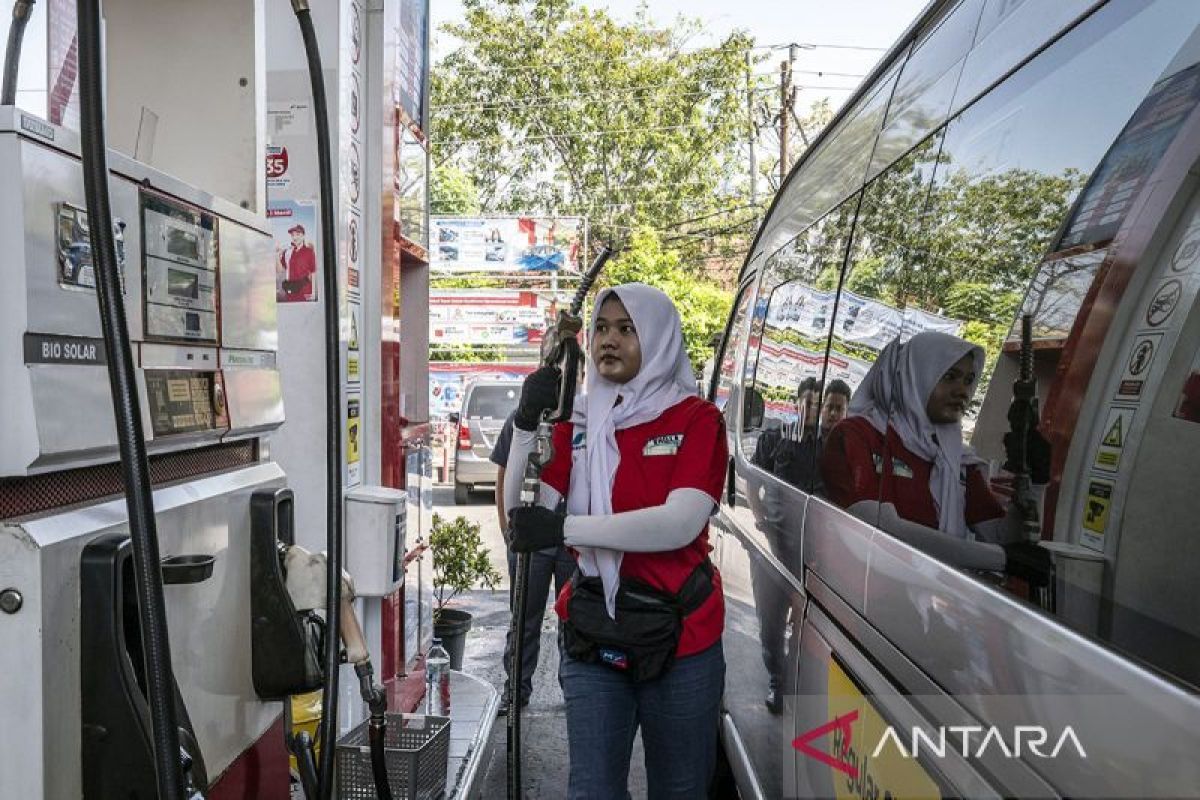
The Institute for Development of Economics and Finance (Indef) is urging the strengthening of the automotive and components industry supply chain in the implementation of B50, so that the sector continues to contribute significantly to the economy. Indef Executive Director Esther Sri Astuti stated that the automotive industry needs consistent policy support to accelerate the energy transition, both through fiscal and non-fiscal instruments. She considers this step important for maintaining the industry’s competitiveness while supporting the sustainable energy agenda. She assessed that policy implementation, including the adoption of B50 biodiesel fuel, needs to be carried out gradually with a pilot project-based approach. Through this scheme, she said, the government and industry can evaluate various advantages and weaknesses to achieve more optimal results. Beyond energy policy aspects, Esther stressed the importance of strengthening the automotive industry supply chain. According to her, the industrial ecosystem must not only be strong in terms of raw material availability but must also be capable of developing intermediate products up to final products with high added value. ‘Strengthening the supply chain so that it is not only strong in raw materials but also in intermediate products up to final products,’ said Esther. She also highlighted infrastructure readiness as a crucial factor in supporting the implementation of B50 so that it can be widely utilised by the public. Furthermore, Esther encouraged increased research and development activities to strengthen national technological mastery. According to her, continuous innovation is needed to improve the quality of biodiesel fuel while strengthening the position of Indonesia’s automotive industry in facing global technological changes. ‘Continue to encourage research and development so that technology is mastered to drive improvements in biodiesel fuel quality,’ she said. Coordinating Minister for Economic Affairs Airlangga Hartarto stated that the implementation of the B50 biodiesel programme could save Indonesia up to Rp177 trillion in foreign exchange. Additionally, this programme could reduce carbon emissions by 44 million tonnes of carbon dioxide (CO₂) equivalent. Airlangga said the implementation of B50 means Indonesia will no longer depend on diesel imports. Indonesia is also the first country in the world to implement a B50 biodiesel programme. The Coordinating Minister further explained that the B50 biodiesel programme is indeed one of the government’s strategies to strengthen energy security amidst increasing global uncertainty, as strengthening the foundation of the national economy is currently necessary amidst various challenges.