
Indef Suggests Reformulating Hajj Costs Amid Rising Aviation Fuel Prices
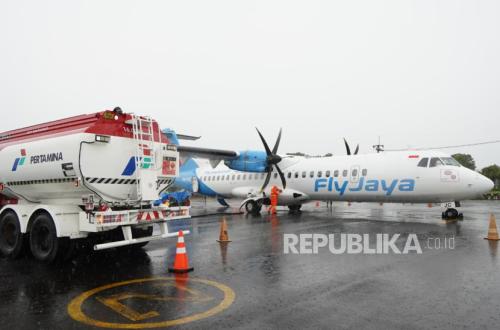
The Institute for Development of Economics and Finance (Indef) suggests that the government reformulate the Hajj cost structure to be more adaptive to global fluctuations, including the rise in avtur prices. Indef’s Head of the Macroeconomic and Finance Centre, M Rizal Taufikurahman, opines that the increase in avtur prices should be addressed through a more resilient systemic reform approach, rather than seeking budgetary space to cover shortfalls. “Without this shift, policies that appear pro-pilgrims in the short term risk burdening the fiscal system and proving unsustainable in the long term,” Rizal stated when contacted in Jakarta on Friday (17/4/2026). To make Hajj costs more resilient to pressures, Rizal recommends that the government promote long-term avtur and airline contracts. This method is believed to dampen price volatility, open up competition among service providers for more efficient costs, and optimise the Hajj Fund as a professional and transparent buffer. Rizal also reminds the government to be more cautious in deciding to use the State Revenue and Expenditure Budget (APBN) to cover spending shortfalls due to economic volatility. The government previously announced plans to add Rp 1.77 trillion to the budget for Hajj flight costs using the APBN. According to Rizal, the APBN is currently facing simultaneous pressures from energy subsidies sensitive to oil prices, slowing revenues, and increasing social spending needs. Therefore, even if the government implements budget efficiency measures, funds should be directed towards supporting productive spending needs, rather than merely relabelling budgets. “The rise in avtur is not a one-off event but part of the structural global energy volatility. If every cost shock is directly covered by the APBN, the state implicitly takes on operational risks that should be managed within the Hajj financing system itself,” he explained.