
Indef States Automotive Incentives Will Boost National EV Production
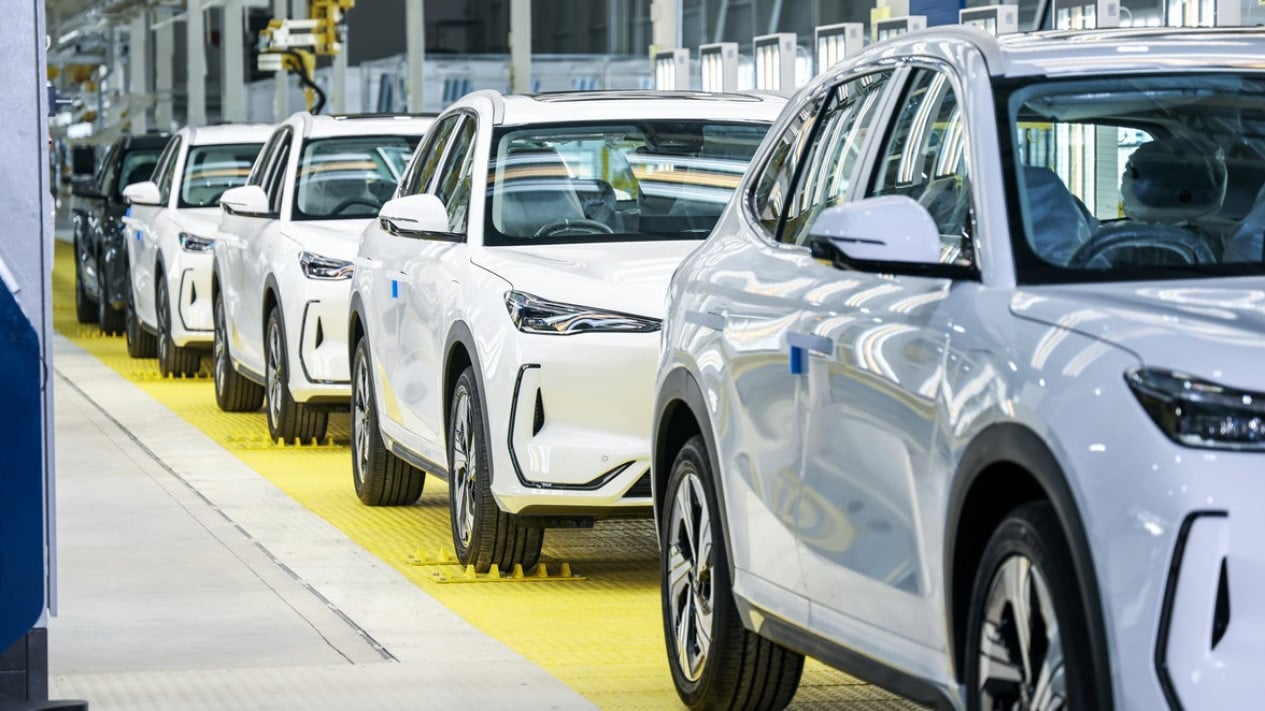
The Executive Director of the Institute for Development of Economics and Finance (Indef), Esther Sri Astuti, believes that providing electric vehicle (EV) incentives focused on national brands will act as a catalyst for automotive industry development and accelerate the transition towards sustainable vehicles.
According to Esther, EV incentives are a positive step to encourage the public to switch to green vehicles. However, she noted that such policies must be accompanied by supporting strategies to ensure optimal benefits.
Esther stated that Indonesia’s human resource capability in developing electric vehicles is becoming evident, citing several universities that have successfully developed EVs, albeit on a limited production scale. “At Diponegoro University (Undip), EV production is already possible, but it remains limited to campus use. Therefore, domestic production must be encouraged because Indonesian human resources are capable,” Esther said on Sunday, 2 August 2026.
She assessed that the development of the national EV industry also requires investment support to build the electric vehicle supply chain, particularly in the battery sector. In her view, investment incentives would strengthen the domestic battery processing and supply ecosystem.
Furthermore, strengthening charging infrastructure is a crucial factor in increasing public confidence in electric vehicles. With a complete ecosystem in place, EV adoption in Indonesia is believed to grow more rapidly.
In addition to consumer incentives, Esther emphasised the importance of policies that encourage the production of national electric vehicles with a high level of Domestic Component Level (TKDN). She suggested that the government needs to direct incentives to support the mass production of EVs at more affordable prices for the public.
“Another important incentive is to drive the mass production of EVs priced between Rp150–200 million with high TKDN,” she added.
Previously, Esther stated that providing incentives for the automotive industry stimulates both sales and the growth of the electric vehicle market. Incentives such as the VAT Borne by the Government (PPN DTP) and Luxury Goods Sales Tax (PPnBM) have proven effective in driving demand, which grew by up to 152 per cent during previous incentive periods.
The Minister of Industry, Agus Gumiwang Kartasasmita, has stated that the government will prioritise providing electric vehicle incentives for national car brands as part of an effort to strengthen the domestic automotive industry.