
Indef says DSI strengthens Indonesia's bargaining power and boosts foreign exchange
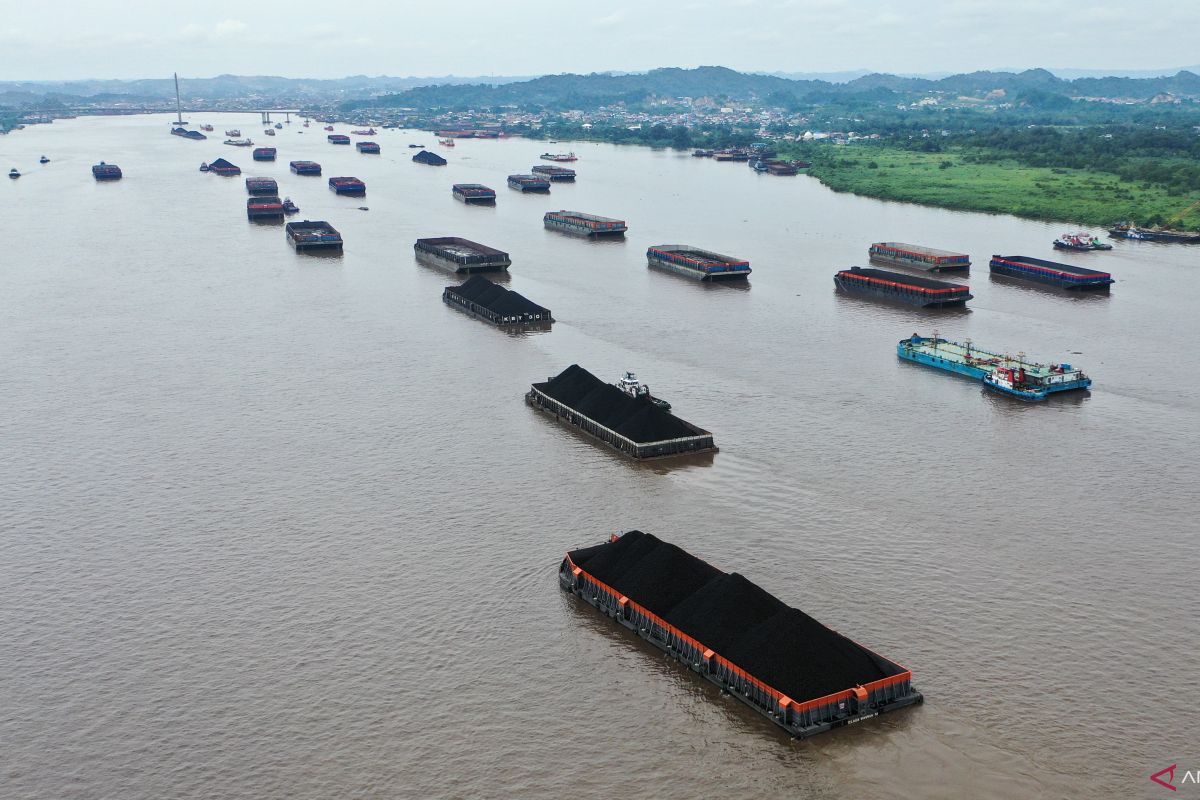
Executive Director of the Institute for Development of Economics and Finance (Indef) Esther Sri Astuti has assessed that the presence of PT Danantara Sumberdaya Indonesia (DSI) strengthens Indonesia’s bargaining power in the global market while increasing foreign exchange proceeds from exports (DHE) generated by commodity trade.
According to Esther, the establishment of DSI has a positive objective, particularly in integrating export data, curbing under-invoicing practices, and ensuring that export proceeds remain within the country.
“The objective is good. DSI was established to integrate export data, curb under-invoicing practices, and keep export proceeds (DHE) within the country,” she said when contacted in Jakarta on Friday.
She said the presence of DSI can deliver a number of benefits if it is managed with good governance.
One of these is improving Indonesia’s bargaining position in international trade, owing to the existence of an entity with a large scale in managing commodity exports.
In addition, DSI is also considered capable of helping the government obtain more accurate trade data, so that supervision of foreign exchange flows becomes more optimal.
“As a single large entity, the state-owned enterprise has stronger bargaining power in determining prices and export volumes in the global market,” said Esther.
Nevertheless, Esther cautioned that there are a number of challenges that need to be considered in the implementation of DSI.
According to her, if DSI acts as a sole intermediary or a national-scale export manager, substantial capital and a complex system are required for its operations to run effectively.
She added that efforts to prevent under-invoicing and transfer pricing practices can also be pursued by building a strong supervisory system without having to overhaul the entire trade mechanism.
According to her, the presence of DSI needs to be balanced with a mechanism that is transparent, efficient, and does not hinder the activities of business players.
She noted that although domestic trade visibility may improve, foreign importers may still consider competing countries if the export process becomes longer and more bureaucratic.
Previously, DSI stated it is ready to carry out its mandate to strengthen the national strategic commodity ecosystem through improved transparency, governance, and optimisation of the export value of Indonesia’s natural resources.
CEO of Danantara Indonesia Rosan Roeslani affirmed that DSI aims to strengthen visibility within Indonesia’s strategic commodity ecosystem and improve understanding of export transactions, market dynamics, and potential value optimisation for the national economy.
“Indonesia has abundant natural resources, but resources alone are not enough. We need stronger governance, better visibility, and a more accountable system to ensure that the value generated from these commodities is recorded and optimised properly for the national interest,” said Rosan.