
INDEF: Rise in Non-Subsidised Fuel Prices Triggers Inflation and EV Migration
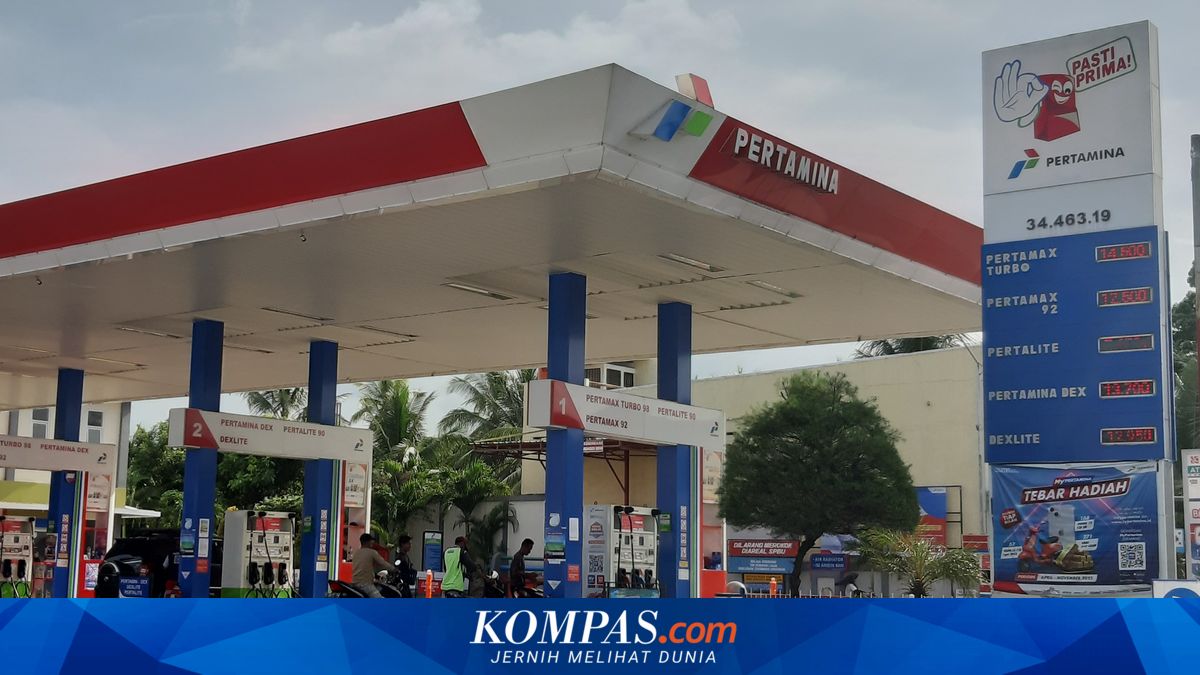
JAKARTA, KOMPAS.com - The Institute for Development of Economics and Finance (INDEF) views the increase in non-subsidised fuel prices as having a chain reaction impact on various economic sectors, particularly for the middle class and the industrial sector.
INDEF Programme Director Esther Sri Astuti stated that for the middle class, the rise in non-subsidised fuel prices influences changes in consumer behaviour.
One of the effects is a wave of transition to electric vehicles (EVs).
Conversely, the same policy also has the potential to cause consumers to migrate to subsidised fuel.
“Although there are restrictions, a drastic price increase can trigger pressure on access to subsidised fuel, namely Pertalite, for people who have difficulty adjusting their budgets,” she added.
To enable massive adoption of electric vehicles, Esther said that supporting infrastructure needs to be expanded.
In a broader scenario, public adoption of electrical devices must also be supported by cheaper electricity prices.
This aims to allow all household appliances and electric vehicles to be used more widely.
The increase in non-subsidised fuel prices, as occurred on 18 April 2026 due to global geopolitical turmoil, also impacts the macroeconomy.
The rise in fuel prices drives up logistics and goods distribution costs, which then trigger increases in the prices of staple needs and other commodities.
Along with rising prices of goods, she stated, people’s purchasing power tends to decline because the portion of expenditure on fuel and basic needs becomes larger.
Meanwhile, the industrial and logistics sectors are also affected in terms of operational burdens.