
Indef Proposes Transition Period for Marketplace Tax Collection
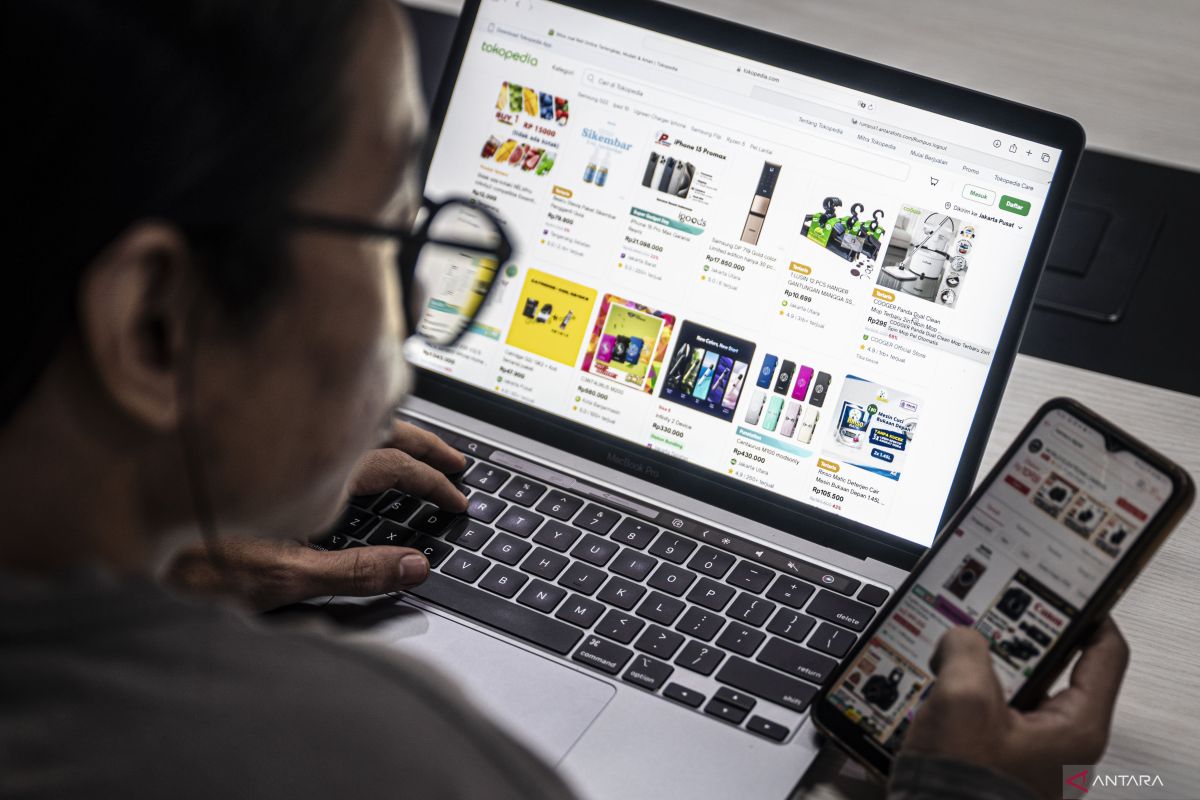
Jakarta (ANTARA) - Researcher at the Institute for Development of Economics and Finance (Indef) Izzudin Al Farras Adha has proposed that an adequate transition period be provided before implementing the mechanism for collecting income tax (PPh) through marketplaces for micro, small, and medium enterprises (MSMEs).
Speaking to ANTARA in Jakarta on Sunday, Izzudin assessed that a transition period is necessary because some MSME players selling on marketplaces still do not have a Taxpayer Identification Number (NPWP) or adequate financial bookkeeping.
“A sufficient transition period should be established so that when full implementation takes place, all MSMEs in the marketplace already possess an NPWP and are ready with proper financial records or bookkeeping,” he said.
The government plans to implement the Article 22 Income Tax collection mechanism through marketplace platforms starting July 2026. This provision is regulated in Minister of Finance Regulation (PMK) Number 37 of 2025 concerning the Appointment of Other Parties as Income Tax Collectors and the Procedures for Collection, Deposit, and Reporting of Income Tax on Income Received or Earned by Domestic Traders through the Electronic Trading System (PMSE) mechanism.
Under this regulation, PMSE operators or marketplaces are appointed as the party collecting income tax on the earnings of domestic traders selling through digital platforms.
Izzudin explained that this mechanism is not a new type of tax for MSMEs, but rather shifts the tax collection mechanism to the marketplace so that the payment process becomes easier and more integrated.
Nevertheless, he reminded the government and marketplace operators of the need to provide education and assistance to MSME players so they are prepared to comply with the new provisions. He argued that if the policy is implemented starting in July without a sufficient transition period, there is a risk that some MSME players will choose to leave the marketplace ecosystem.
Consequently, they would only rely on sales through social media or physical stores, limiting their opportunities to expand their market and scale up their businesses. Furthermore, this policy could potentially widen the gap among MSME players. Sellers who can survive in the marketplace are expected to be only those who already have better business administration and financial records.
“Their capacity is still very limited, which can be identified from the fact that some MSMEs do not have financial bookkeeping, some do not have tidy financial records, and others still mix personal or family finances with business finances,” he said.
He assessed that the government and marketplaces need to strengthen education and assistance so that MSME players are ready to fulfil their tax obligations without hindering the digitalisation process of their businesses.