
Indef proposes renewable energy zone approach for 30 GWp solar power plants
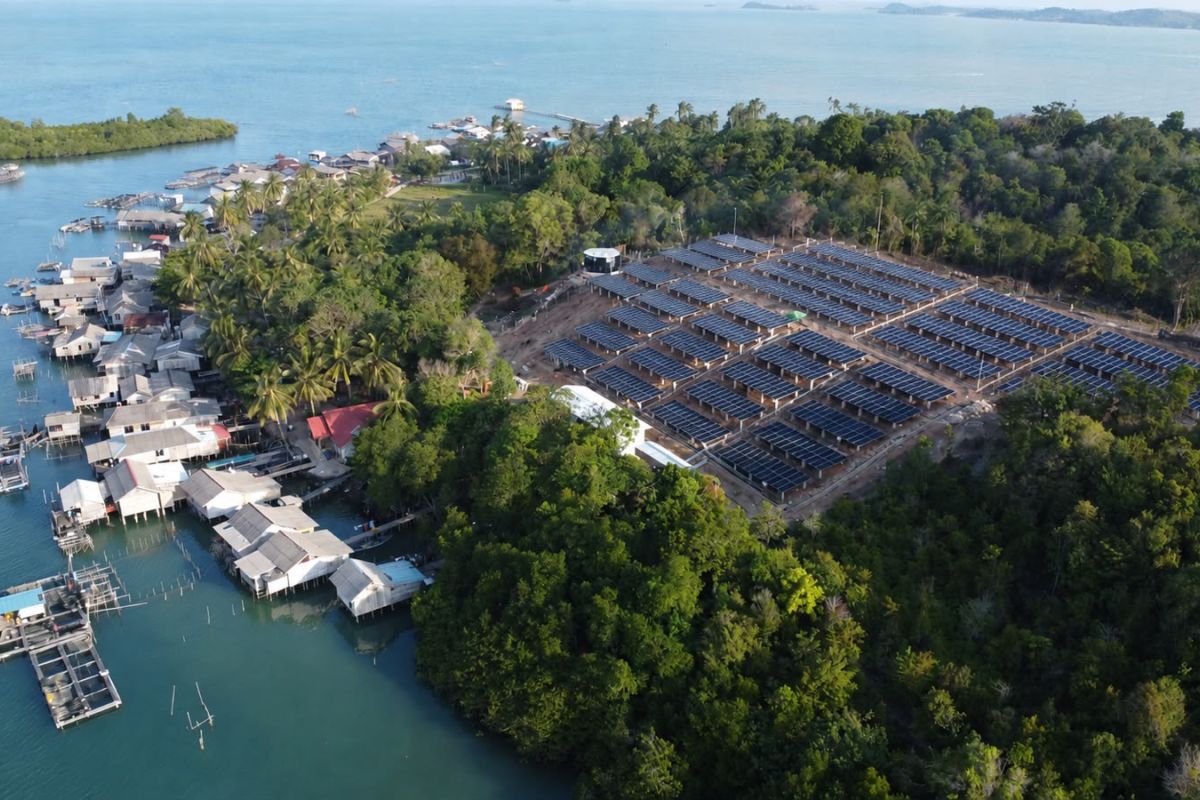
The Institute for Development of Economics and Finance Green Transition Initiative (Indef GTI) has proposed the construction of 30 gigawatt peak (GWp) solar power plants (PLTS) in industrial estates using a renewable energy zone approach.
“The renewable energy zones concept has the potential to be integrated into industrial estates by bringing together renewable energy potential and industrial energy demand within a single area,” said Indef GTI Director Imaduddin Abdullah in an official statement received in Jakarta on Friday.
According to him, industrial estates possess several advantages.
Industrial estates can lend their networks and power evacuation points to renewable energy projects on surrounding land, then absorb the electricity at a discounted price.
“This reduces project electricity costs. Another advantage is that the needs of manufacturing industries, smelters, and data centres also make them natural buyers,” said Imaduddin.
For tenants bound by the Carbon Border Adjustment Mechanism (CBAM) and global climate commitments, a clean energy supply also serves as a compliance requirement.
Industrial estates also have the potential to become nodes for Indonesia’s reindustrialisation.
Imaduddin said the economic potential is beginning to emerge from Indef GTI’s initial analysis of eight special economic zones (KEK).
Integrating these zones with renewable energy could potentially increase aggregate gross regional domestic product (PDRB) growth from 5.95 percent to 6.30 percent.
“The impact could potentially be greater if a similar approach is applied more broadly across other KEKs and industrial estates in Indonesia,” he said.
The room to expand this economic impact is evident from the substantial potential for solar power development in industrial estates.
Based on a 2026 study by Indef GTI together with Systemiq Indonesia, with estimates carried out by Systemiq, industrial estates have solar power potential of up to 21 GW. This total comes from approximately 6-13 GW from within the estates, via factory rooftops as well as idle non-commercial land and water surfaces.
The remainder, amounting to 7-8 GW, comes from adjacent land for utility-scale solar power plants combined with batteries.
“The 6-13 GW portion is classified as low-hanging fruit because it can be developed first. Initiating 100 GWp through clear phasing makes the development target clearer, but its realisation still requires extraordinary efforts from various policymakers,” said Imaduddin.