
Indef: Japanese Investment Vital for Indonesia's Infrastructure Financing
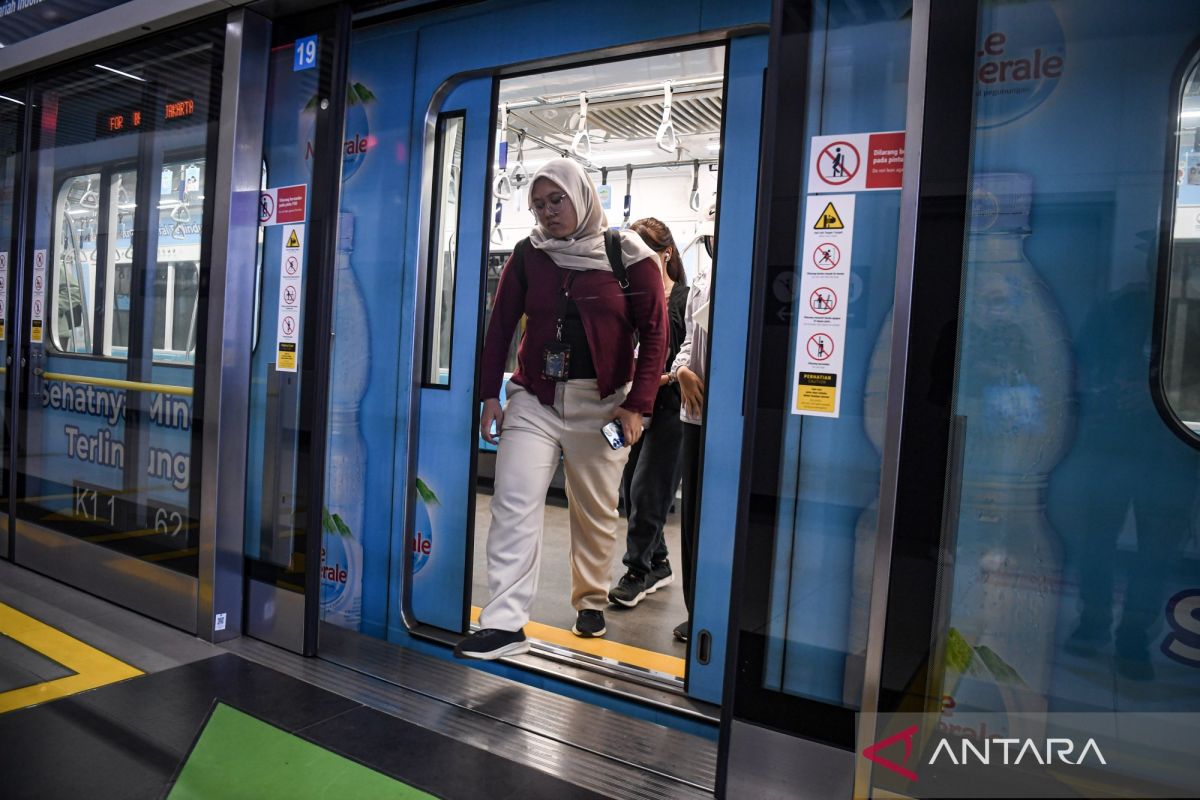
The Executive Director of the Institute for Development of Economics and Finance (Indef), Esther Sri Astuti, has stated that Japanese investment in Indonesian infrastructure projects is important to support development financing, which requires long-term funding sources. She noted that infrastructure development requires large costs and long financing tenors, making it unsuitable to rely on short-term bank financing. “Infrastructure development needs long-term funds. If infrastructure is financed with short-term funds, such as from banks, the cost of fund is high,” Esther said in Jakarta on Wednesday. According to her, Indonesia still needs infrastructure development in various regions to strengthen connectivity and encourage new economic growth.
Meanwhile, the Indonesian Ambassador to Japan, Nurmala Kartini Pandjaitan Sjahrir, is exploring Japanese investment opportunities in a number of strategic projects in Jakarta. These strategic projects include the expansion of the Jakarta Mass Rapid Transit (MRT), the construction of the Mass Integrated Transportation Hub Jakarta (MITJ), and the Sunter Intermediate Treatment Facility (ITF). Other projects being explored include the National Capital Integrated Coastal Development (NCICD) sea wall, strengthening the pump polder system of the East Pluit Reservoir, and the construction of phase 2 of the Light Rail Transit (LRT) from Kelapa Gading to the Jakarta International Stadium. “In my opinion, Japanese investment for infrastructure development in Indonesia is very important,” Esther said.
She assessed that infrastructure development can create a multiplier effect on the economy, from job creation to increased household consumption. Esther cited the example of the construction of toll roads, ports, and airports, which can lower logistics costs, thereby increasing investor interest in opening new businesses. “Infrastructure development such as new roads and airports has been proven to trigger the revival of the tourism, hospitality, and cargo industries in the surrounding areas,” she said. According to her, inter-regional connectivity is also important to reduce economic disparities while strengthening the tourism and manufacturing sectors.
Nevertheless, she noted that infrastructure development in Indonesia still faces a number of challenges, from land acquisition to regulatory uncertainty. She mentioned that Indonesia’s geographical condition as an archipelagic nation poses its own challenges in connecting regions. Esther thus encouraged the expansion of infrastructure development, especially outside Java, to support national economic equality. “Connectivity is very important to develop other regions as new poles of economic growth,” she stated. Furthermore, infrastructure development must also pay attention to environmental risks and climate change to remain sustainable. She said that environmental degradation risks, such as land damage, erosion, and pollution from construction waste, need attention in sustainable development. “The project cycle, from the planning stage to maintenance, must take earth risks into account,” Esther concluded.