
Indef: Integrated Ecosystem Key for Indonesia to Lead Global Halal Industry
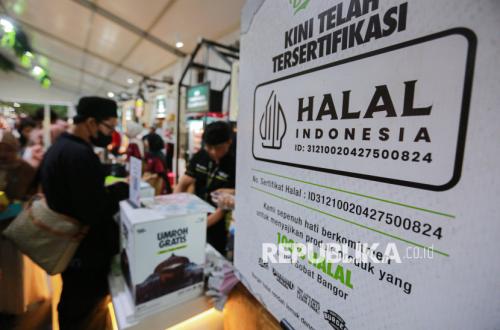
The Vice Chairman of the Center for Sharia Economic Development (CSED) at the Institute for Development of Economics and Finance (Indef), Handi Risza, stated that the development of the sharia economy must be accompanied by the construction of an integrated ecosystem so that Indonesia’s great potential can be realised as a force in the global halal industry. “Indonesia has enormous potential. However, this potential must be supported by a mutually integrated ecosystem,” Handi said in Jakarta on Thursday (23/7/2026). He explained that the market share of Indonesia’s sharia financial industry currently remains at around seven percent, thus not yet reflecting the magnitude of the potential it possesses. On the other hand, the development of the national halal industry is also considered to still lag behind several countries, including the United Arab Emirates, which has built a more comprehensive halal ecosystem. Handi stated that the acceleration of the national halal economy must rest on three main pillars: capital, governance, and inclusivity (CGI). According to him, from the capital aspect, Indonesia still faces limitations in innovation and variety of sharia financial products compared to Malaysia. From the governance side, strengthening regulation, institutions, and inter-agency coordination remains homework that needs to be resolved. Meanwhile, the inclusivity aspect demands that the benefits of the sharia economy be felt more widely by the community through the empowerment of the real sector, including the optimisation of ziswaf instruments (zakat, infaq, alms, and waqf). “These three pillars can only be realised if supported by strong commitment and political will from the government so that the halal industry can become one of the main drivers of national economic growth,” he said during a public discussion organised by Paramadina University in collaboration with CSED Indef, titled The Future of Indonesia’s Halal Economy. Paramadina University Rector Didik J Rachbini said his institution is committed to strengthening the development of the sharia economy and finance through education, research, and strategic collaboration. “Paramadina University already has a Master’s Programme in Sharia Financial Management and a Doctoral Programme in Sharia Financial Management. We will continue to develop both programmes as part of our academic contribution to strengthening the national sharia economic ecosystem,” he said.