
Indef: Government Stimulus Has Yet to Address Pressure on the Middle Class
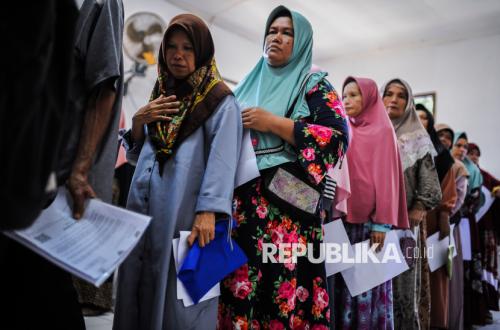
JAKARTA — Indonesia’s household consumption is becoming increasingly dependent on government fiscal stimulus. This reliance is evident in the various forms of assistance and incentives rolled out throughout 2025 and 2026 amid rising prices for essential goods.
Riza Annisa Pujarama, a researcher at the Institute for Development of Economics and Finance (Indef), said household consumption grew by 5.04 per cent year on year in the third quarter of 2026, up from 4.89 per cent in the same period a year earlier. However, growth showed signs of slowing when viewed across the first to third quarters of 2026.
“We are becoming increasingly dependent on fiscal stimulus,” Annisa said at an online public discussion entitled “Response to Third-Quarter 2026 Economic Performance” on Thursday (5 November 2026).
She said the government regularly issues fiscal stimulus to maintain people’s ability to consume. This support primarily helps lower- and middle-income households facing cost-of-living pressures.
Annisa cited an increase in the government’s individual consumption expenditure related to subsidies and various forms of public assistance. In her view, this rise illustrates the extent of government support in maintaining consumption among lower-income groups.
“The government continues to issue fiscal stimulus regularly to boost people’s actual purchasing power,” she said.
However, Annisa cautioned that government stimulus had not fully addressed the purchasing-power challenges facing all segments of society. She highlighted the ongoing pressure on the middle class from rising prices for essential goods and various tax burdens.
According to her, lower-income groups receive a relative social safety net through food assistance and fiscal stimulus. The middle class, by contrast, faces mounting expenses, while higher-income groups are relatively better able to sustain their consumption. “The middle class is the group most affected,” Annisa said.
She also noted rising prices for a range of everyday goods, from food to household supplies. This could erode people’s ability to consume even as overall economic growth remains steady.
Indef is urging the government to improve the targeting of fiscal stimulus and give greater attention to the middle class. State spending should also be directed towards productive sectors so that economic growth does not remain dependent on consumption stimulus, but instead sustainably strengthens incomes and purchasing power.
Source: jawawa.id (https://jawawa.id/newsitem/indef-government-stimulus-has-yet-to-address-pressure-on-the-middle-class-1793926236)
Originally published by Republika (https://ekonomi.republika.co.id/berita/to1yy3416/indef-stimulus-pemerintah-belum-jawab-tekanan-kelas-menengah), translated from Indonesian