
Indef: Food Inflation Control Must Align with Price Pressure Sources
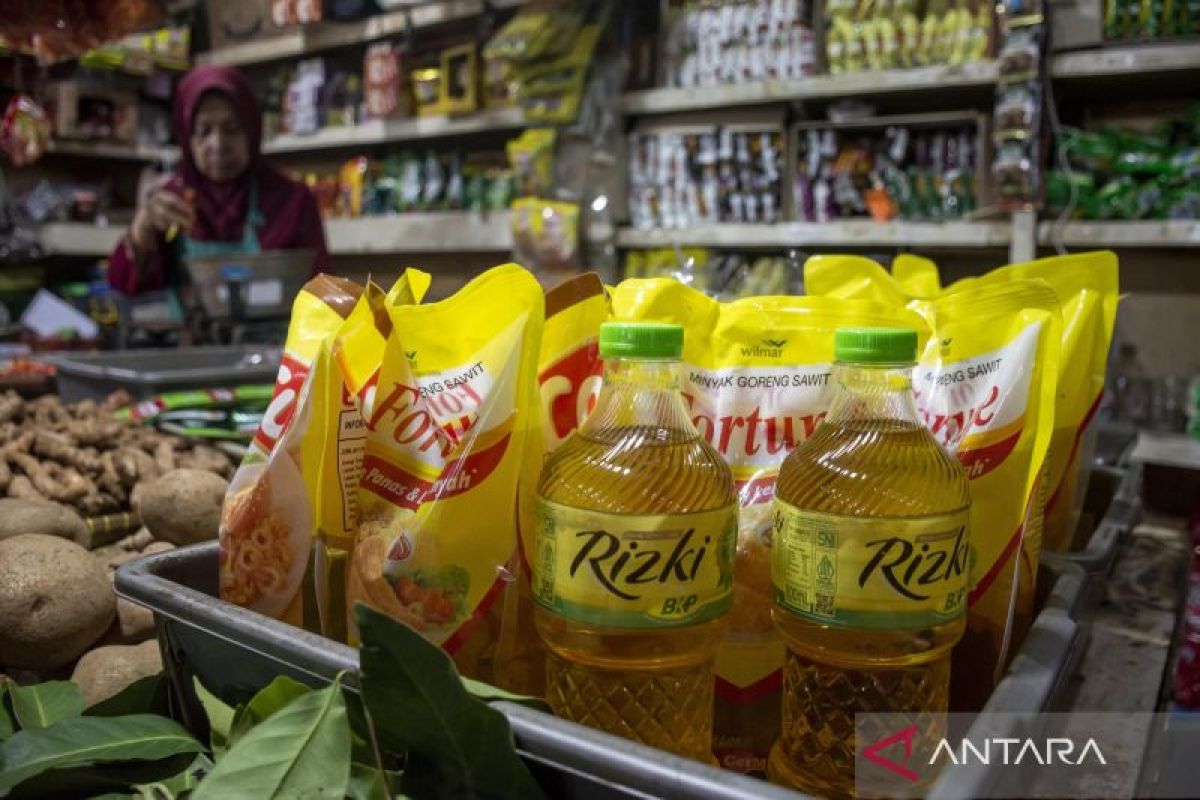
Jakarta (ANTARA) - The Executive Director of the Institute for Development of Economics and Finance (Indef), Esther Sri Astuti, believes that controlling food inflation needs to be adjusted according to the source of price pressures so that policies can respond to issues from both the demand and supply sides.
According to her, monetary instruments are more effective in facing inflation triggered by increased demand, whereas pressure caused by supply disruptions or rising costs requires steps to ensure that food availability meets market needs.
“Inflation control policies should indeed be preventive,” Esther told ANTISTANCE in Jakarta on Monday.
Bank Indonesia (BI) noted that annual volatile food inflation increased to 5.03 per cent in September 2026, up from 4.06 per cent in August and 2.52 per cent in July.
Food inflation pressures in September included bird’s eye chilli, red chilli, broiler chicken, rice, and chicken eggs.
Esther stated that Indonesia has implemented an Inflation Targeting Framework (ITF), a monetary policy framework that sets specific inflation targets to be achieved within a certain period. Within this framework, price stability is one of the primary objectives of monetary policy.
“The central bank has clear quantitative targets, making its performance and transparency easier for the public and the market to assess,” said Esther.
According to her, the open announcement of inflation targets can also help shape the expectations of the public and business actors regarding price developments. Esther noted that this framework also strengthens the central bank’s communication to the public regarding economic conditions and the direction of monetary policy, while helping to maintain policy orientation towards long-term price stability.
However, she warned that the nature of the inflation source must be considered, as monetary instruments have varying levels of effectiveness against pressures originating from the demand side versus the supply side. She assessed that monetary policy is more effective at controlling inflation triggered by increased demand.
Conversely, if pressure arises from surges in food or oil prices due to rising costs or supply disruptions, increasing interest rates could also place pressure on economic growth. Esther also noted that monetary policy requires a time lag before impacting inflation.
“Monetary policy takes time, anywhere from a few months to a year, to affect real inflation, so inaccurate predictions can render policies ineffective,” she said.
In the context of food, Esther believes that inflation control does not necessarily require a different approach for every commodity, provided that supply adequacy can be ensured to meet market needs.
“In my opinion, food inflation control does not need to be specifically directed at individual commodities; the important thing is to maintain the supply of food ingredients so they can meet market demand,” she said.
To maintain price affordability for the public while simultaneously preserving incentives for farmers, Esther proposed the implementation of price ceilings accompanied by efforts to ensure supply adequacy.
“To maintain food prices without harming farmers, the government could implement a ceiling price while ensuring the food supply remains sufficient to meet the needs of the community,” Esther stated.
Meanwhile, the government and Bank Indonesia continue to strengthen synergy in inflation control through the Central Inflation Control Team (TPIP) and the Regional Inflation Control Team (TPID), including maintaining food price stability from the supply side.
The government is also strengthening efforts to ensure supply adequacy, smooth distribution, and food price affordability towards the end of the year through the distribution of Food Supply and Price Stabilisation (SPHP) rice, Cheap Food Movements, and inter-regional cooperation.
Overall, the Consumer Price Index (CPI) inflation in September 2026 was recorded at 3.28 per cent annually, remaining within the inflation target of 2.5 per cent with a one per cent deviation.