
INDEF: Food and Energy Security Key to Sustainability of MBG Programme
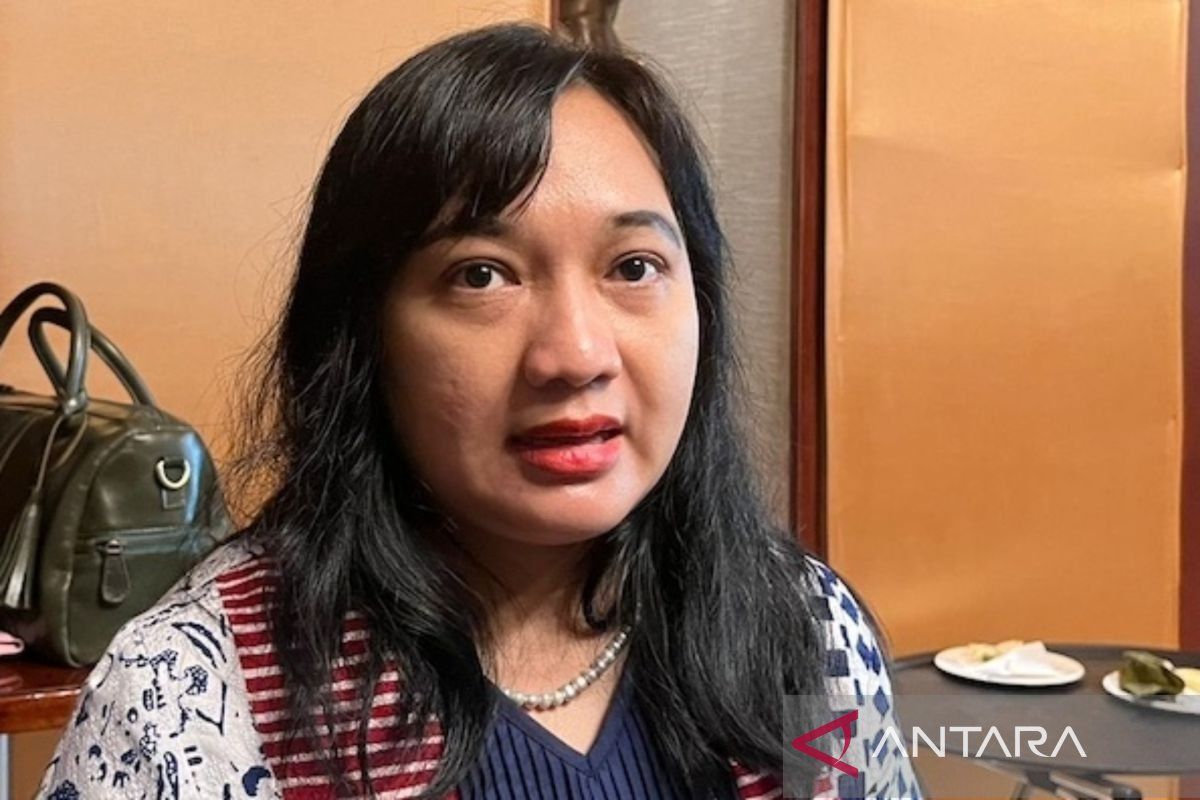
The key to the success of MBG is ensuring that the supply of raw materials comes from within the country.
Jakarta (ANTARA) - Director of the Institute for Development of Economics and Finance (INDEF) Esther Sri Astuti assesses that food and energy security are key to the sustainability of the Makan Bergizi Gratis (MBG) programme amid threats of global crises.
She states that the government’s planned food and energy self-sufficiency programmes are important to reduce dependence on global markets.
“The key to the success of MBG is ensuring that the supply of raw materials comes from within the country,” she said in an official statement in Jakarta on Wednesday.
Therefore, Esther urges the government to provide full support for strengthening agricultural infrastructure. This support includes building irrigation, providing fertiliser, modern agricultural technology, access to farmer financing, and strengthening the distribution of harvest results.
With adequate infrastructure, agricultural productivity can increase, and Indonesia can strengthen food security, which is very effective in supporting the availability of local supplies for MBG.
She also emphasises that in economic theory, a country does not have to produce all goods. A country should focus on commodities that have a comparative advantage and can be produced more efficiently. In the context of Indonesia, rice is a realistic commodity to achieve self-sufficiency.
Nevertheless, Esther notes that not all Indonesian people rely on rice as their staple food. Commodities such as cassava, porang, breadfruit, and sago have great potential as alternative carbohydrate sources.
With food processing technology support, these commodities can be processed into nutritious rice substitute products with economic value.
Meanwhile, in the energy sector, according to her, Indonesia has great potential to develop alternative energy. Renewable energy sources such as hydropower, wind, and solar are abundantly available. In addition, processing waste into energy can also be an alternative to reduce dependence on fossil fuels.
If domestic energy can be met independently, then the pressure from rising global energy prices will not significantly impact food production costs.
She emphasises that food security and energy security are keys to ensuring Indonesia is not too affected by global turmoil.
“If world energy prices rise, then domestic gas and fuel oil prices have the potential to rise as well. This situation will increase food production and distribution costs. However, if Indonesia can achieve food and energy self-sufficiency, the impact can be mitigated, so social programmes like Makan Bergizi Gratis can continue to run,” Esther explained.
In addition, she stresses that the involvement of UMKM remains important in supporting the programme’s success. However, the government needs to design a more inclusive scheme. For example, by providing opportunities for UMKM to manage kitchens, providing training, and encouraging fair partnerships between programme managers and local businesses.
With a more inclusive scheme, the Makan Bergizi Gratis programme not only improves community nutrition but also drives regional economic growth.
“If food and energy security are strengthened and programme governance is improved, then the Makan Bergizi Gratis Programme can continue to run even amid global crisis pressures,” she concluded.