
INDEF Deems Human Resource Strengthening Crucial for Red and White Village Cooperatives
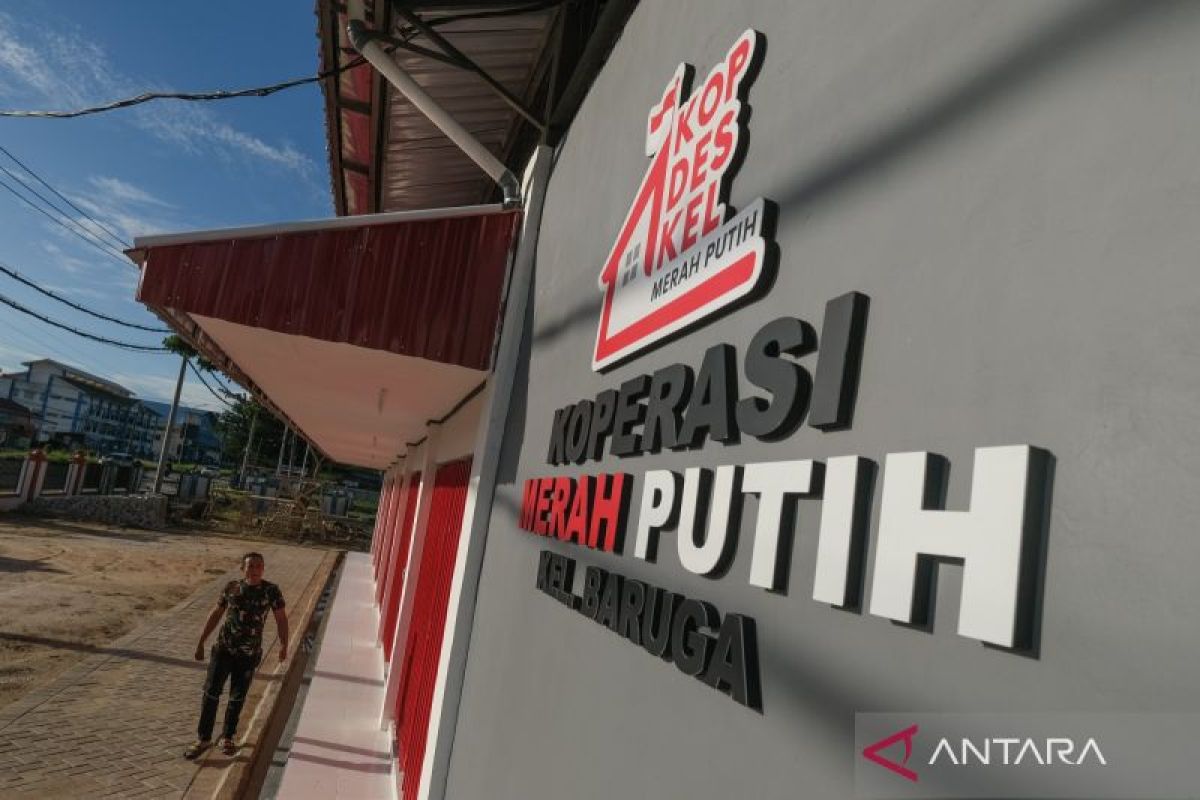
Executive Director of the Institute for Development of Economics and Finance (INDEF), Esther Sri Astuti, assesses that strengthening human resources (HR), governance, and oversight systems are crucial factors in the implementation of Village/Urban Village Cooperatives (Kopdes) Merah Putih.
She states that several aspects require attention in the programme’s implementation, particularly in the selection and supervision of cooperative managers.
“There are several things that must be wary of regarding the Red and White Village Cooperatives, such as the risk of the selected manager’s inability to professionally manage cooperative businesses, which needs to be anticipated,” Esther told ANTARA in Jakarta on Wednesday.
She assesses that the quality of the cooperative management’s HR is a determining factor because managerial capabilities will affect the cooperative’s business performance.
Open selection for D3, D4, and S1 graduates from all majors with a maximum age of 35 years and a minimum GPA of 2.75.
According to Esther, this step needs to be balanced with the readiness of the managers’ capacity to avoid risks in the programme’s implementation.
She reminds that cooperative management must be accompanied by an understanding and application of risk management to avoid triggering non-performing loan issues.
INDEF recommends structured training for managers as well as the implementation of digital-based supervision and evaluation to enhance the cooperatives’ operational effectiveness.
Furthermore, she warns of the need for careful management considering that each cooperative is planned to receive funding of around Rp3 billion to Rp5 billion.
In total, the funding needs for the Kopdes programme are estimated to reach Rp240 trillion to Rp400 trillion, thus requiring a strong oversight system to ensure sustainability.
“Strengthening supervision is also needed, starting from coordination with authorities such as OJK, regulatory clarity, to the utilisation of integrated data platforms to monitor cooperative performance and risks,” she said.
Based on INDEF’s study, the Kopdes Merah Putih programme has the potential to strengthen distribution, expand financing access, and support food security at the village level.
However, Esther continues, the approach deemed still centralised needs to be balanced with increased community participation so that cooperatives can operate according to local needs.
“The most profitable business sector depends on the characteristics of the area; it cannot be uniform across regions,” she stated.
She exemplified that fish-producing areas can develop cooperatives based on fishery product processing, from financing access to storage of processed products.
Meanwhile, the government states that the Kopdes Merah Putih programme will establish around 80,000 units across Indonesia with an integrated business model based on village potentials.
The programme is expected to become a driver of village economies while increasing community income through strengthening local-based businesses.