
INDEF: B50 Implementation Must Be Accompanied by Fiscal Discipline
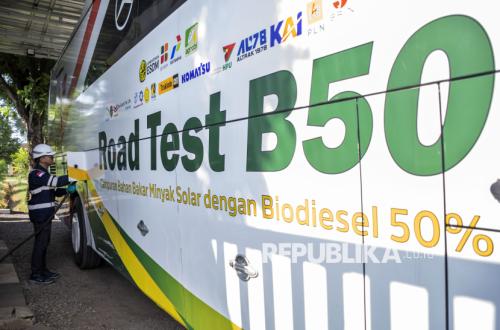
Head of the Macroeconomics and Finance Centre at the Institute for Development of Economics and Finance (INDEF), M Rizal Taufikurahman, believes the implementation of B50 is strategically sound but must be accompanied by fiscal discipline.
“B50 is strategically viable for energy security, but fiscally it must be executed with discipline,” Rizal said when contacted in Jakarta on Friday (3/7/2026).
In a macroeconomic context, he said, the B50 policy has the potential to provide significant foreign exchange benefits as it can reduce diesel imports. The government estimates that import savings from B50 in 2026 will reach approximately Rp157.28 trillion, higher than the B40 scenario of around Rp139.8 trillion.
However, Rizal assessed that this figure cannot automatically be considered a saving for the State Budget (APBN). This is because the savings occur in foreign exchange and energy imports, whilst programme costs arise through biodiesel incentives, funds from the Palm Oil Plantation Fund Management Agency (BPDPKS), potential energy compensation, and the risk of price differentials between crude palm oil (CPO) and fossil diesel.
“In gross calculations, the foreign exchange benefits of B50 are likely greater than the direct programme costs. But fiscally, the benefits are not automatically greater for the state budget,” he explained.
He noted that the key to B50’s profitability lies in the price spread between CPO and diesel or gasoil. If global oil prices are high and CPO prices are relatively controlled, B50 will be more economical because imports decline, pressure on the current account balance eases, and the need for fuel subsidies or compensation can be reduced.