
Indef Analysis: Majority Respond Negatively to Pertamax Price Hike, Fear Pertalite Scarcity
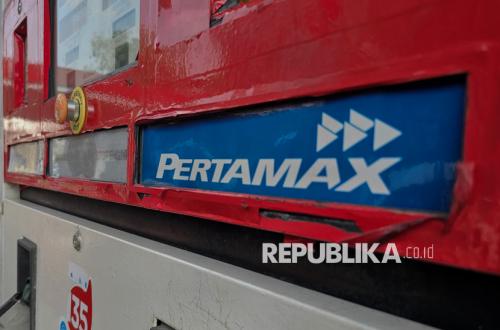
The Institute for Development of Economics and Finance (Indef) has conducted an analysis to explore public response on social media regarding the price increase of Pertamax (RON 92) fuel, effective 10 June 2026. The analysis shows that the majority of the public responded negatively to the policy, highlighting the potential impact of users shifting from Pertamax to the subsidised fuel type, Pertalite.
Indef’s analysis utilised 648,723 data points collected between 9–11 June 2026. The primary data sources included discussions on X, comments on popular YouTube news channels, and Threads.
“A dominance of negative sentiment: the public response to this 30 per cent increase in Pertamax prices (from Rp 12,300 per litre to Rp 16,250 per litre) was dominated by negative sentiment at 98.12 per cent, while positive sentiment only accounted for 1.88 per cent. The public is disappointed by the government’s inconsistency in maintaining fuel price stability,” Indef stated during a discussion titled ‘Purchasing Power Under Pressure, Economic Resilience at Stake’ on Sunday (14/6/2026).
Indef explained that the negative public response to the Pertamax price hike was reflected in three emotional forms: anger, fear, and sadness. Anger was the most dominant emotion, as the sudden price increase is perceived to further exacerbate the economic difficulties faced by the community.
Government statements claiming that conditions remain stable, while a portion of the population experiences a different reality, served as a trigger for public anger. Furthermore, many citizens believe the current economic climate is already difficult, making the fuel price hike an additional burden.
“Then there is fear. The public is worried that the Pertamax increase will be followed by a hike in Pertalite or even trigger an economic crisis,” Indef explained.
Pertalite is one of the fuels subsidised by the government. There is a growing perception that Pertamax users may switch to Pertalite because it is more affordable. This situation is feared to increase Pertalite consumption across various social groups, even though the primary target of the subsidy is the lower-middle class.
Furthermore, the emotion of sadness was reflected in various netizens’ complaints regarding consecutive economic pressures, ranging from the weakening of the rupiah exchange rate and the decline of the Indonesia Composite Index (IHSG) to limited job opportunities and stagnant incomes.
“Main discussion topics: the issue most frequently mentioned by the public was the ‘fate of Pertalite’ (50.98 per cent), surpassing the topic of public shock (26.92 per cent), the domino effect of the Pertamax increase (13.86 per cent), and the issue of demonstrations (8.25 per cent). The public suspects the Pertamax increase is a precursor to shortages or price hikes for Pertalite due to shifts in consumption patterns,” Indef revealed.
Indef noted that this finding is significant because, in discussions involving the keywords ‘Pertamax’ and ‘non-subsidised fuel’, the issue of Pertalite was the most dominant topic compared to responses to the price hike policy itself or discussions regarding the domino effect and protests.
However, Indef noted that the keyword ‘Pertalite’ also appeared in other topics, including discussions regarding the potential scarcity of Pertalite due to consumers migrating from Pertamax.
The Fate of Pertalite
Regarding the fear that Pertalite will suffer the same fate as Pertamax, Indef explained that the public is concerned that the sharp increase in Pertamax prices will trigger a change in fuel consumption patterns.
“It appears that netizens suspect the Pertamax increase is an introduction or a bridge towards a price hike or scarcity of Pertalite. According to them, with this 30 per cent increase, Pertamax consumers will switch to Pertalite, which will ultimately impact stock availability and potentially trigger a price increase for Pertalite,” Indef explained.
This change in consumption patterns is also feared to make the distribution of subsidies inaccurate, especially if not balanced by adequate government supervision.
“Ultimately, it is the common people who will suffer the consequences of shortages in subsidised fuel,” Indef emphasised.
Indef added that the analysis also showed social criticism and concerns regarding the domino effect of the policy. Netizens actively expressed criticism by tagging the @pertamina account and the @gerindra political party account to compare past stances with current conditions.
Additionally, there are concerns regarding the domino effect of non-subsidised fuel price increases, which could potentially impact supply chains and trigger price hikes for various essential goods.
Source: jawawa.id (https://jawawa.id/newsitem/indef-analysis-majority-respond-negatively-to-pertamax-price-hike-fear-pertalite-scarcity-1781452308)
Originally published by Republika (https://ekonomi.republika.co.id/berita/tgmm6x490/analisis-indef-mayoritas-warga-respons-negatif-kenaikan-pertamax-khawatir-pertalite-langka), translated from Indonesian