
Indef: Additional Agriculture Ministry Budget Must Focus on Production Sector
The Executive Director of the Institute for Development of Economics and Finance (Indef), Esther Sri Astuti, has stated that the additional budget for the Ministry of Agriculture must be focused on strengthening domestic food production to support self-sufficiency and reduce dependence on imports. “In my view, additional funds for increasing agricultural production are necessary to achieve food self-sufficiency,” Esther said in Jakarta on Monday.
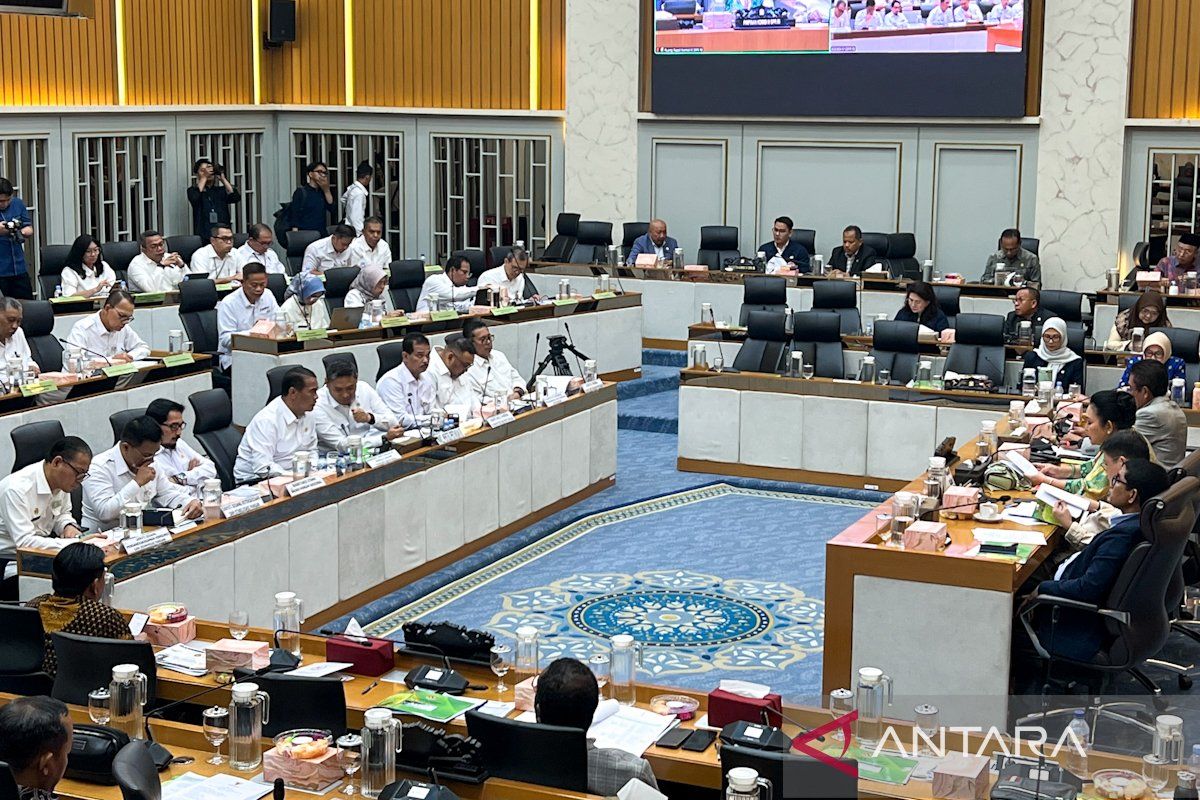
Commission IV of the House of Representatives (DPR), during a working meeting with Minister of Agriculture Andi Amran Sulaiman, expressed support for increasing the Ministry of Agriculture’s 2027 budget from Rp23.23 trillion to Rp45.65 trillion. The additional budget is intended to reinforce national priority programmes and boost food production, with allocations directed towards land and irrigation programmes, agricultural infrastructure and facilities, increased production of agricultural and livestock commodities, extension services and human resource strengthening, agricultural modernisation, and management support.
Indef assessed that the extra budget should be channelled towards strengthening domestic production programmes, not subsidising imported food. Esther suggested the government implement a comprehensive strategy based on the Molenaar approach, built on four main pillars: a supportive environment, favourable market characteristics, optimisation of production characteristics, and the creation of alternative livelihoods for farmers and livestock breeders.
She explained that a supportive environment includes policies, laws, services, regulations, institutions, and infrastructure, which are necessary to create the preconditions for more sustainable food production and better economic performance. “Smallholder farmers also need better access to training, technical assistance, financing, credit, technology, and market information,” she said, noting that such access can improve productivity, product quality, production volume, and bargaining power.
Esther also emphasised the need for the government to continue developing and providing access to high-quality inputs such as seeds, fertilisers, technology, and agricultural extension services. “There are three challenges: production, distribution, and institutional frameworks,” she said, adding that addressing these three aspects is crucial to ensure the additional budget has a real impact on farmers and livestock breeders, price stability, and national food security.
Meanwhile, the government is also pushing to increase production of several commodities that still rely on imports, such as soybeans and garlic. The Ministry of Agriculture previously noted that around 95 percent of national garlic demand is still met through imports, making the strengthening of domestic production essential to reduce dependence on foreign markets. Soybeans also remain an import-dependent commodity amid the rising demand from the tofu and tempeh industries. Minister of Agriculture Andi Amran Sulaiman stated that the government is strengthening agricultural research by deploying around 1,000 researchers from the National Research and Innovation Agency (BRIN) to the Agricultural Assembly and Modernisation Agency (BRMP) across various regions to accelerate national food self-sufficiency.