
Increasing Prosperity: Number of Centenarians Continues to Rise in Japan
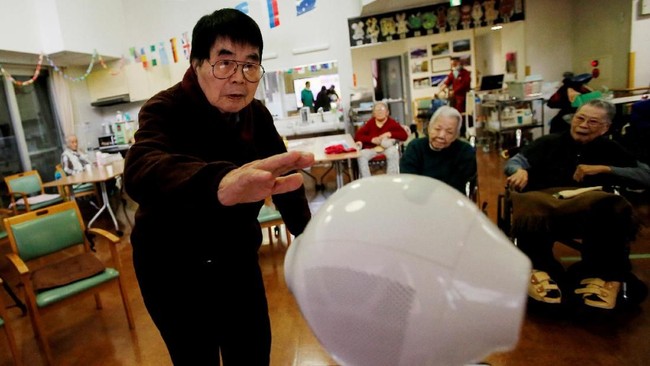
Japan now has more than 100,000 citizens aged 100 or older, marking a new milestone in life expectancy amidst an accelerating demographic crisis. The Japanese Ministry of Health, Labour and Welfare noted that the number of centenarians reached a record 107,67lag77 people this year, an increase of 7,914 people from 2025, marking the 56th consecutive year of growth.
Women account for almost 88% of the total Japanese population aged 100 or older, as reported by Aljazeera. Japanese Health Minister Kenichiro Ueno stated he is very pleased that many citizens can lead long, healthy, and active lives, with advancements in medical technology, healthy lifestyles, and diets playing a significant role.
However, this achievement occurs alongside an increasing demographic imbalance in Japan. The elderly population continues to rise while birth rates are at an all-time low, leading to a shrinking workforce amidst rising burdens for pensions, healthcare, and social care. Japan has become one of the world’s oldest nations, with nearly three out of every ten residents aged 65 or older. This proportion is projected to approach 40% by 2070.
More than 800,000 people in Japan were aged 95 or older last year, while the number of births was only around 700,000 according to government data. This condition is accelerating Japan’s population decline, with early census data showing population decreases in 4-5 of the 47 prefectures in 2025 compared to five years prior, while only Tokyo and Okinawa recorded increases. Japan’s population peaked at around 128 million in 2008, before the National Institute of Population and Social Security of Japan projected it would fall to 87 million by 2070, representing a decline of approximately 30% from current levels.
No single factor explains Japan’s high life expectancy, but researchers point to a combination of diet, physical activity, and access to healthcare. The traditional Japanese diet generally includes plenty of fish, vegetables, and rice, and is relatively low in saturated fats, while obesity rates are also lower compared to many Western nations. Daily routines also play a role, as many Japanese citizens walk, cycle, and use public transport, including the elderly. Group physical activities are also common in Japanese society.
Japan also possesses a universal health insurance system that provides wide access to medical services and medicines at relatively low costs compared to other countries such as the United States. The combination of healthcare access and lifestyle supports the high life expectancy of the Japanese people.
On the other hand, increasing life expectancy presents a challenge when occurring alongside one of the lowest birth rates in the world. Japan’s total fertility rate, the average number of children a woman is expected to have in her lifetime, fell to a record low of 1.14 in 2025, well below the approximately 2.1 required to maintain a stable population without additional immigration.
An ageing population means more retirees require support from pensions, social services, and medical care from an increasingly smaller productive-age population. In the long term, this imbalance creates economic pressure as the number of taxpayers and social security contributors shrinks while expenditures increase. The Japanese government has introduced child allowances, childcare subsidies, parental leave programmes, and various other incentives to encourage couples to have children. However, these policies have yet to reverse the long-term declining birth rate trend.
Social scientists also note that fewer Japanese people are marrying or are choosing to marry at an older age, when the likelihood of having children tends to decrease. Concerns regarding job insecurity, stagnant wages, and long working hours also make it difficult for some young people to start families. Furthermore, the increasing participation of women in the workforce has not always been accompanied by a balanced division of childcare and household responsibilities, making it challenging for women to balance work and parenting roles.
Japanese Prime Minister Sanae Takaichi has identified the declining population and birth rate as a primary national challenge. Japanese officials have repeatedly warned that this demographic trend could threaten the nation’s economic and social foundations. From an economic perspective, a shrinking productive-age population means fewer people paying income tax and social security contributions as spending on pensions, healthcare, and elderly care rises. This imbalance places increasing pressure on public finances and the young workers supporting the system through taxes.
Labour shortages are beginning to affect various sectors, ranging from construction and agriculture to transport, healthcare, and social services. Rural areas face even greater challenges as young people move to cities, leaving behind ageing communities with declining numbers of workers and public services. While immigration could help address labour shortages, and the number of foreign residents in Japan has increased in recent years, foreign nationals still only account for about 3% of the total Japanese population, and proposals to accept more migrants remain a contentious issue.
Source: jawawa.id (https://jawawa.id/newsitem/increasing-prosperity-number-of-centenarians-continues-to-rise-in-japan-1789908782)
Originally published by CNBC Indonesia (https://www.cnbcindonesia.com/lifestyle/20260920155552-33-769327/hidup-makin-sejahtera-manusia-100-tahun-terus-bertambah-di-jepang), translated from Indonesian