
Increasing Number of Israelis Relocating and Investing in Cyprus
The uncertain situation in Israel and the prolonged sense of insecurity following the 7 October 2023 attacks and subsequent wars have prompted an increasing number of Israeli citizens to look towards the Republic of Cyprus.
For many, the island, located close to Israel, is no longer merely a holiday and investment destination, but is beginning to serve as a place for permanent settlement. For some, Cyprus is becoming a ‘Plan B’ should the situation in Israel worsen. This sentiment was shared by several Israeli citizens speaking to DW on condition of anonymity.
‘I want to have a Plan B if the situation in Israel becomes more difficult,’ said one Israeli citizen who recently purchased a home in a large residential complex in the Limassol district of Cyprus. Another Israeli resident highlighted the proximity and similarities between Cyprus and their home country: ‘It is only a 40-minute flight, the scenery is the same, the climate is the same. It feels like being in Israel without actually being there.’
Another individual linked their move to business interests, noting that many Israeli companies have relocated portions of their operations to Cyprus to facilitate easier business dealings with European Union countries.
With the population of the Republic of Cyprus numbering less than one million, estimates cited by Israeli media suggest at least 3,000 Israeli families now live permanently in Cyprus, a figure that grows by several hundred families each year. Israeli media also reports that tens of thousands of Israelis have purchased property on the island. The Israeli newspaper Hayom reported that approximately 20,000 Israelis hold property in Cyprus without residing there year-round.
Data from the Cyprus Land Registry presented to Parliament shows that between 2021 and 2024, a total of 3,851 property transfers and sales contracts involving Israeli buyers were recorded across only three coastal districts: Larnaca, Paphos, and Limassol.
Israeli interest extends beyond apartments and holiday homes to include land, tourism projects, and large-scale investments. A prominent example is the Israeli hospitality group Fattal, whose investment in Cyprus is estimated to reach hundreds of millions of euros, including hotels in Limassol, Paphos, and Larnaca. In Larnca, Israeli-backed investors are behind the redevelopment of the historic Palm Beach hotel, with an investment exceeding €110 million. Additionally, the Aqua Residences project, valued at approximately €40 million, involves the construction of two 15-storey seaside towers.
In the Limassol district, an Israeli investor plans to revitalise Trozena, a village abandoned for decades. The plan includes renovating around 60 houses and developing tourism facilities, campsites, and a winery. However, this project, located within the Natura 2000 protected area, has triggered opposition and investigations by authorities after work commenced without the required planning and building permits.
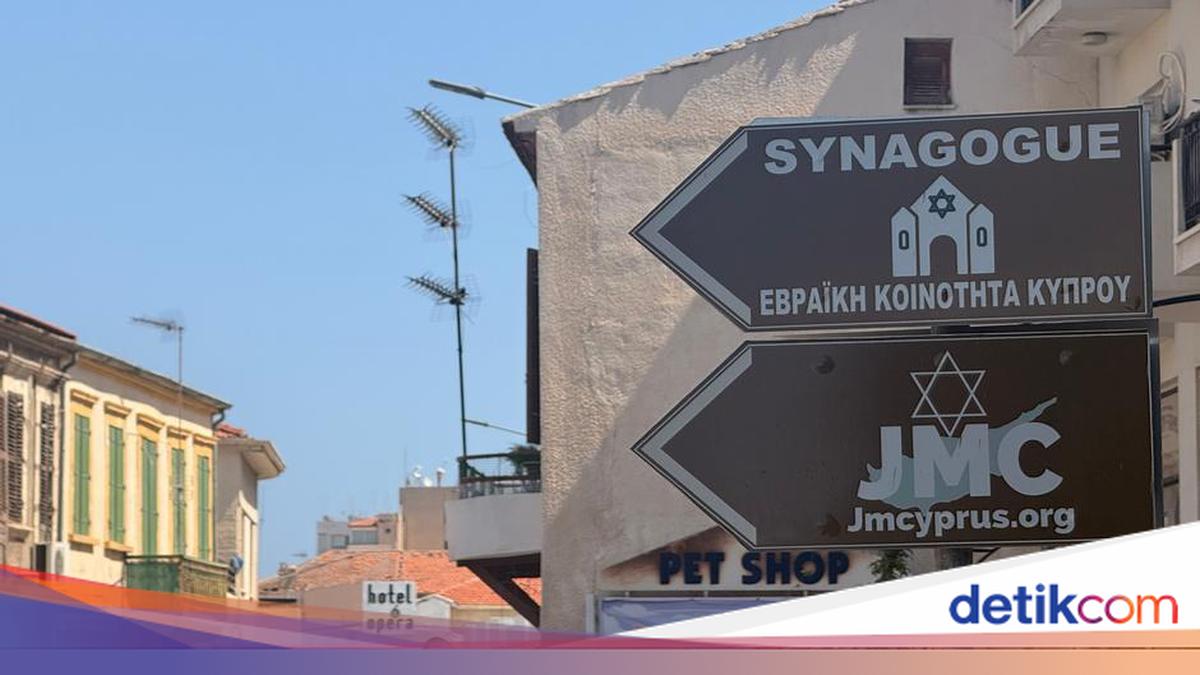
Signs of a more permanent Israeli presence are also becoming visible through infrastructure serving the community. Places of worship, businesses, and services catering to Israelis, such as kosher restaurants, have opened in Larnaca, Limassol, and Paphos. Hebrew-language advertisements are also visible on streets, including political campaign materials. Last summer, billboards for the Yashar Party, led by Gadi Eisenkot, targeting Israeli voters, were seen along Cypriot highways.
One of the clearest indicators of a permanent community is the planned construction of a private Jewish school in Polemidia, near Limassol, with a capacity for up to 1,500 students.
These developments have heated political debate regarding foreign investment and property ownership. This debate is influenced by what critics call Cyprus’s unconditional diplomatic support for Israel, as well as the country’s previous experience with a massive influx of Russian capital following the 2013 financial crisis.
Some of the harshest political criticism comes from Stefanos Stefanou, General Secretary of the Progressive Party of Working People (AKEL), and Fidias Panayiotou, a Member of the European Parliament and leader of the Direct Democracy Party. Stefanou warned of uncontrolled sales of Cypriot land to foreigners, specifically mentioning Israeli purchases and the emergence of gated residential complexes with their own infrastructure.
Panayiotou went further, claiming that ‘Israel is buying Cyprus’ and warning that the Cypriot economy risks becoming overly dependent on Israeli capital. These statements were met with a strong response from Israel. The Israeli Ambassador to Cyprus, Oren Anolik, rejected claims of excessive Israeli influence, stating that thousands of Israelis living and working on the island have become part of Cyprus’s social and economic life. He also warned that targeting a specific nationality and using stereotypes regarding ‘foreign economic power’ could trigger antisemitism. Meanwhile, the Cypriot government continues to prioritise attracting foreign investment as a key economic driver.
Source: jawawa.id (https://jawawa.id/newsitem/increasing-number-of-israelis-relocating-and-investing-in-cyprus-1790067793)
Originally published by detikcom (https://news.detik.com/dw/d-8673959/semakin-banyak-warga-israel-pindah-dan-berinvestasi-di-siprus), translated from Indonesian