
Inclusive Education Remains Inadequate as MPR Deputy Speaker Highlights Teacher Shortage
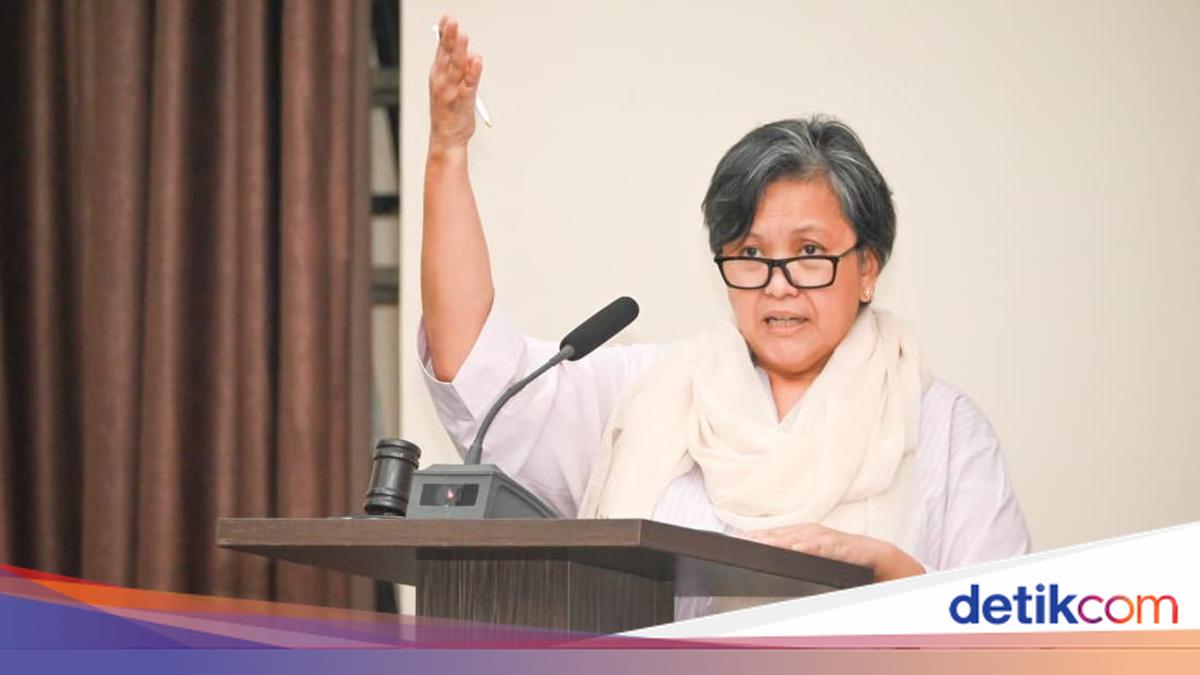
Deputy Speaker of the Indonesian People’s Consultative Assembly (MPR RI) Lestari Moerdijat has highlighted a shortage of specialist support teachers (GPK), which she says is hampering the provision of inclusive education in Indonesia. She stressed that inclusive education policies must be implemented consistently and measurably so that every student with special educational needs has equal access to education.
“The core principle of inclusive education is that no child should be left behind or unable to receive an education because of circumstances beyond their control,” Lestari said on Tuesday (27 October 2026).
Her remarks followed the Ministry of Primary and Secondary Education’s call for all schools to become inclusive. Lestari said this effort must be accompanied by the provision of enough support teachers and ongoing programme evaluations.
She said the challenge was not simply to establish new programmes, but to ensure they were implemented consistently, measured effectively and delivered tangible change.
Ministry data for September 2025 recorded 363,921 students with disabilities in Indonesia. Of these, 199,375 were studying at 60,910 inclusive education providers (SPPI). However, only around 15% of SPPI had specialist support teachers.
This indicates that professional teaching support for students with disabilities in mainstream schools remains limited. The government has set a support ratio of one teacher for every 15 students. In 2026, advanced-level training is targeted to reach 1,500 teachers, but participation has so far reached only around 60% of that target.
Lestari said these conditions were obstructing the provision of equal educational services. She therefore called on the government to accelerate the recruitment of more teachers qualified to support students with special educational needs.
“Efforts to increase the number of teachers capable of educating children with special needs must be put into effect immediately,” she said.
Education disparities are also reflected in data from the National Commission on Disability for October 2025. It recorded that only 4.3% of people with disabilities had received an education, with an average of 5.32 years of schooling. Meanwhile, 3,128 students with disabilities were registered at 282 universities.
Lestari said these figures showed that simply gaining entry to school was not enough to guarantee the fulfilment of the educational rights of children with disabilities.
“Inclusive education is not merely about opening school doors, but about ensuring every child has an equal opportunity to learn and develop. That is the meaning of social justice,” she said.
To improve the situation, Lestari urged the government to establish measurable indicators of success for inclusive education. These should not be limited to participation rates, she said, but should also assess the quality of services and the learning outcomes of students with disabilities.
“We need to redefine indicators of educational success, focusing not only on graduation figures but also on the system’s ability to accommodate those who face barriers,” she said.
She also called for the faster provision of specialist support teachers through a mechanism that guarantees their deployment, rather than relying solely on voluntary training. The central government, regional governments and the public should also work together to speed up the implementation of inclusive education programmes.
“Co-operation among all parties is essential if fair and equal inclusive education services for every citizen are to be delivered soon,” she said.
Lestari also urged that the ongoing revision of the National Education System Law be used to develop comprehensive solutions. These should include legal certainty on the provision of specialist support teachers and stronger data-based programme evaluation.
She said the government’s commitment must be accompanied by consistent measurement so that progress in delivering inclusive education can be verified and improvements made.
“With the number of students with disabilities continuing to grow, consistency will be the test of whether policy can move from an annual campaign to a systematic and sustainable guarantee,” she concluded.
Source: jawawa.id (https://jawawa.id/newsitem/inclusive-education-remains-inadequate-as-mpr-deputy-speaker-highlights-teacher-shortage-1793080407)
Originally published by detikcom (https://news.detik.com/berita/d-8725874/pendidikan-inklusif-belum-optimal-waka-mpr-soroti-kekurangan-guru), translated from Indonesian