
Inalum's Rp14 Trillion Downstream Project in West Kalimantan: Here's the Progress
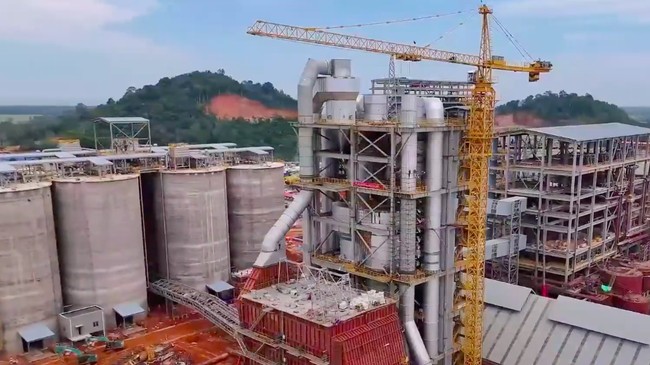
Jakarta, CNBC Indonesia - PT Indonesia Asahan Aluminium (Inalum) has revealed the latest developments on the Smelter Grade Alumina Refinery (SGAR) Phase 2 project in Mempawah, West Kalimantan. This project represents an expansion of the SGAR Phase 1, which was developed earlier.
Inalum’s President Director, Melati Sarnita, stated that the company is currently completing several crucial stages before entering the construction phase. The project’s progress is at the stage of finalising the preparation of a bankable feasibility study and the investment decision-making process or final investment decision (FID).
“We target the FID this year, and we will still carry out the EPC process and completion until the end of 2028, and it can operate in early 2029 together with the second smelter,” Melati said during a Working Meeting with Commission VI of the House of Representatives, Tuesday (31/3/2026).
On the other hand, Melati explained that the construction of SGAR Phase 2 heavily depends on the realisation of the second aluminium smelter project in Mempawah. This is because all alumina production from SGAR Phase 2 is designed to supply the needs of that smelter.
“Our need to build SGAR Phase 2 is purely to supply alumina for our second smelter project in Mempawah,” she added.
As is known, the Nusantara Future Investment Management Agency (BPI Danantara) officially commenced construction of the Smelter Grade Alumina Refinery (SGAR) Phase 2 project in Mempawah, West Kalimantan, on Friday (6/2/2026).
The project, with an investment value of US$882 million or approximately Rp14.8 trillion, is being built through collaboration among state-owned enterprises and subsidiaries of MIND ID, namely PT Inalum with PT Aneka Tambang Tbk (ANTM) and PT Bukit Asam Tbk (PTBA).
Operated through PT Borneo Alumina Indonesia (BAI), the project will produce 1 million tonnes of alumina per year. Combined with the operational SGAR Mempawah Phase 1, the total alumina production from Mempawah will reach 2 million tonnes per year.