
Inalum: Downstreaming Has Proven to Boost Added Value and Create Jobs
Jakarta (ANTARA) — Arif Haendra, Director of Corporate Strategy, Business Development and Commercial at PT Indonesia Asahan Aluminium (Inalum), said downstream processing of aluminium has demonstrably increased the added value of bauxite while boosting state revenue, creating jobs and supporting regional economic growth.
Arif explained that added value is generated by processing bauxite into alumina, then into aluminium and derivative products with higher economic value.
“Bauxite is priced at US$40; when it is turned into alumina, the price is around US$400. That means it has increased tenfold,” Arif said, as quoted in Jakarta on Tuesday.
He said processing bauxite into alumina costs about US$250–300 per tonne. With alumina priced at around US$400 per tonne, the difference is about US$100 per tonne, before other costs are taken into account.
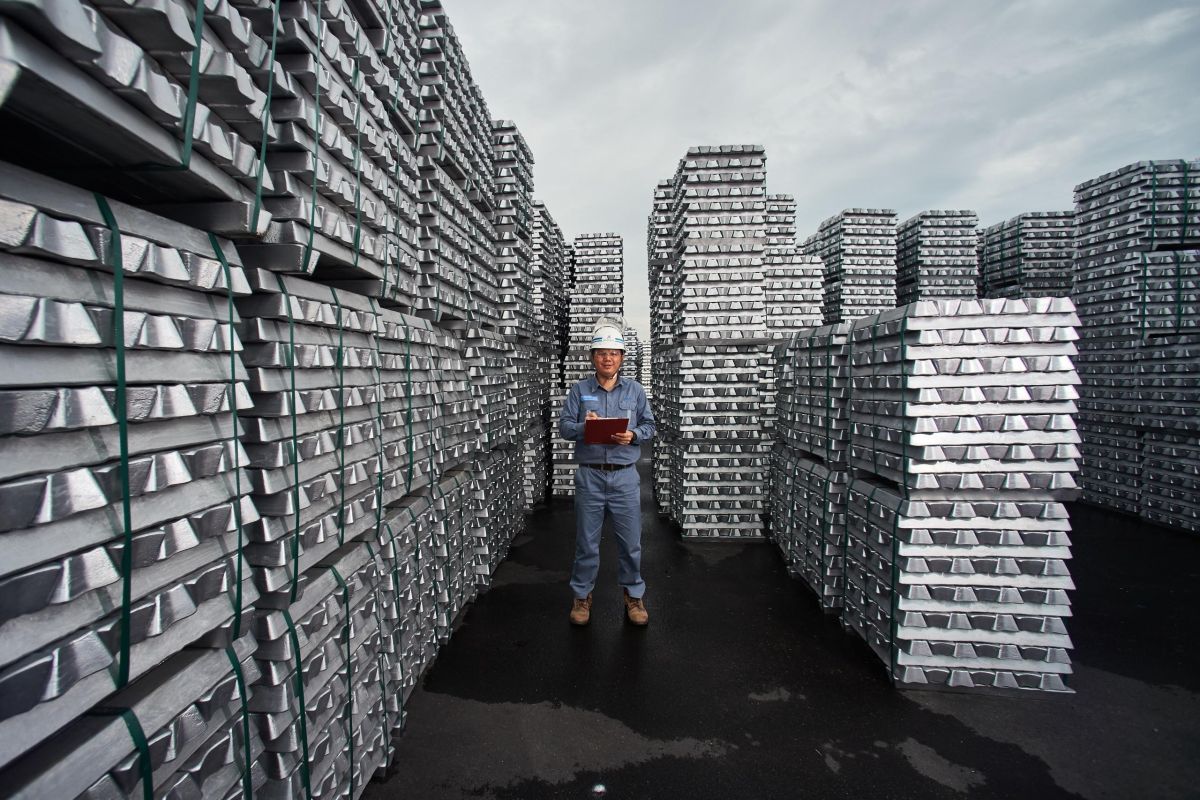
The value rises further when alumina is processed into aluminium, he said. Alumina priced at around US$400 per tonne can reach approximately US$3,200–3,500 per tonne once converted into aluminium. Overall, downstream processing from bauxite to aluminium can increase value by as much as 70 times.
Arif said downstream processing also has wider economic effects through tax revenue, employment, transport activity and the growth of economic activity around industrial areas.
One example is Mempawah, West Kalimantan, where an alumina-processing industry is being developed. Arif said the region’s economic growth had increased alongside the expansion of industry and supporting economic activity.
He said industrial development in Mempawah is projected to create around 130,000 new jobs. The alumina industry has also helped drive growth in port activity and the surrounding community’s economic activity.
Beyond processing alumina into aluminium, he said, downstream industry should be expanded to include products with a wider range of specifications and uses.
According to Arif, aluminium processed into billets can be used as feedstock for extrusion to produce a range of goods, including aluminium profiles for buildings.
Aluminium can also be used to make electrical cables, automotive components and materials for electric-vehicle batteries.