
INACA pushes for sustainable aviation ecosystem towards 2045
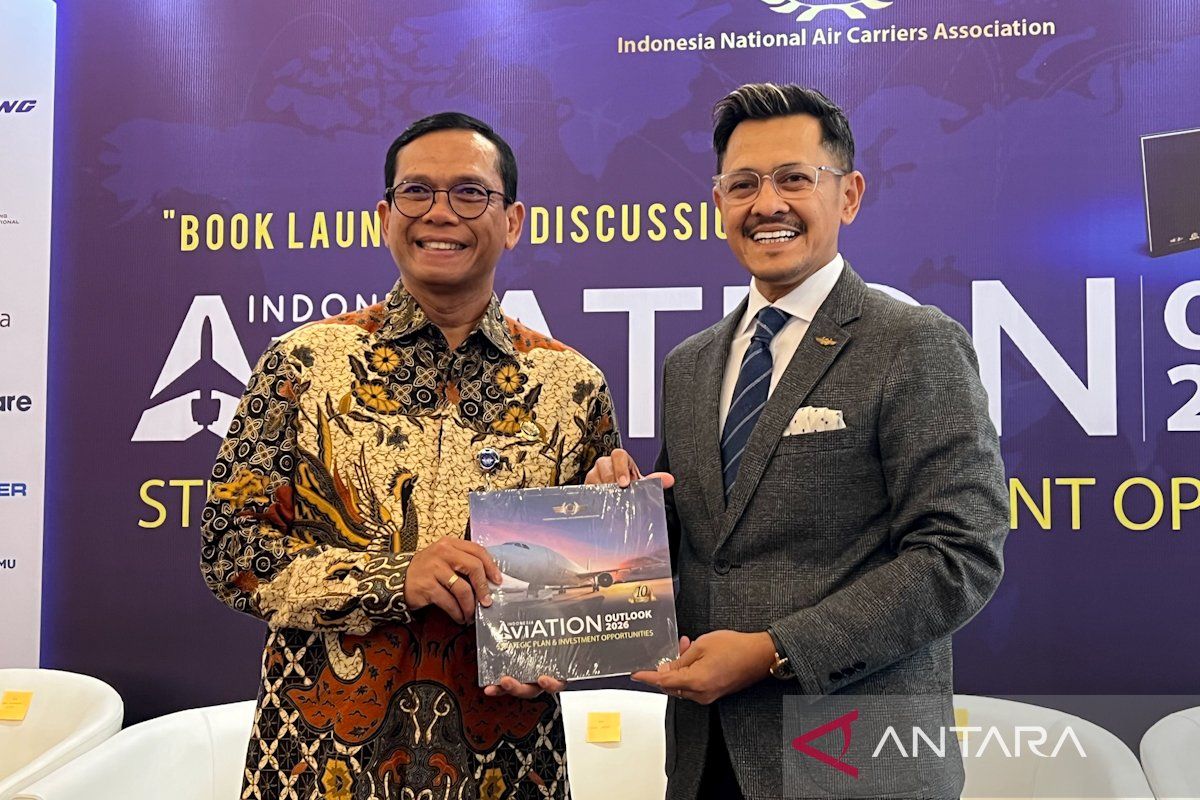
Jakarta (ANTARA) - The Indonesian National Air Carriers Association (INACA) is urging strengthened collaboration among all aviation stakeholders to build a sustainable air transport industry to support national economic growth towards Indonesia Emas 2045. During the launch of the Indonesia Aviation Outlook 2026 book in Jakarta on Wednesday, INACA Chairman Denon Prawiraatmadja stated that all stakeholders must begin formulating long-term strategies to face the challenges of the aviation industry over the next 10 to 20 years. According to him, a strong pattern of cooperation between stakeholders is key to ensuring the air transport sector can provide a larger contribution to the national economy. “We must discuss the challenges of the next 10-20 years or the year 2045, and how the pattern of cooperation between stakeholders can make the air transport industry a sector that truly supports our national economy,” said Denon. He noted that the INACA 2026 Outlook was prepared as a common reference for all stakeholders in designing the sustainable development of the national aviation industry moving forward. He added that Indonesia possesses significant opportunities in the development of the aviation sector, supported by a population of over 270 million people, which serves as a potential market for the air transport industry. He explained that the aviation industry provides a significant contribution to the national economy, including the creation of millions of jobs and support for various economic activities spread across all regions. Denon assessed that strengthening the aviation sector cannot be achieved by airlines alone, but requires synergy with airport operators, regulators, navigation service providers, and other stakeholders. He believes that Indonesia’s various infrastructures and market potential are strong assets to ensure the national aviation industry is not only healthy but also capable of competing globally. INACA noted that prior to the COVID-19 pandemic, the Indonesian domestic market reached approximately 190 million passenger trips, with the majority originating from domestic routes which serve as the backbone of the industry. The scale of this domestic market is seen as an opportunity for both scheduled and unscheduled flight operators to continuously expand services and support sustainable national connectivity. Denon emphasised that discussions regarding the future of the aviation industry must focus on long-term strategies, including addressing the challenges and needs of the air transport sector for the next two decades. Through the INACA 2026 Outlook, the association hopes that all stakeholders can devise collective steps to realise a strong, competitive aviation ecosystem that supports Indonesia’s sustainable economic growth.