
In the Land of Tofu and Tempeh, Soybeans Lack Independence
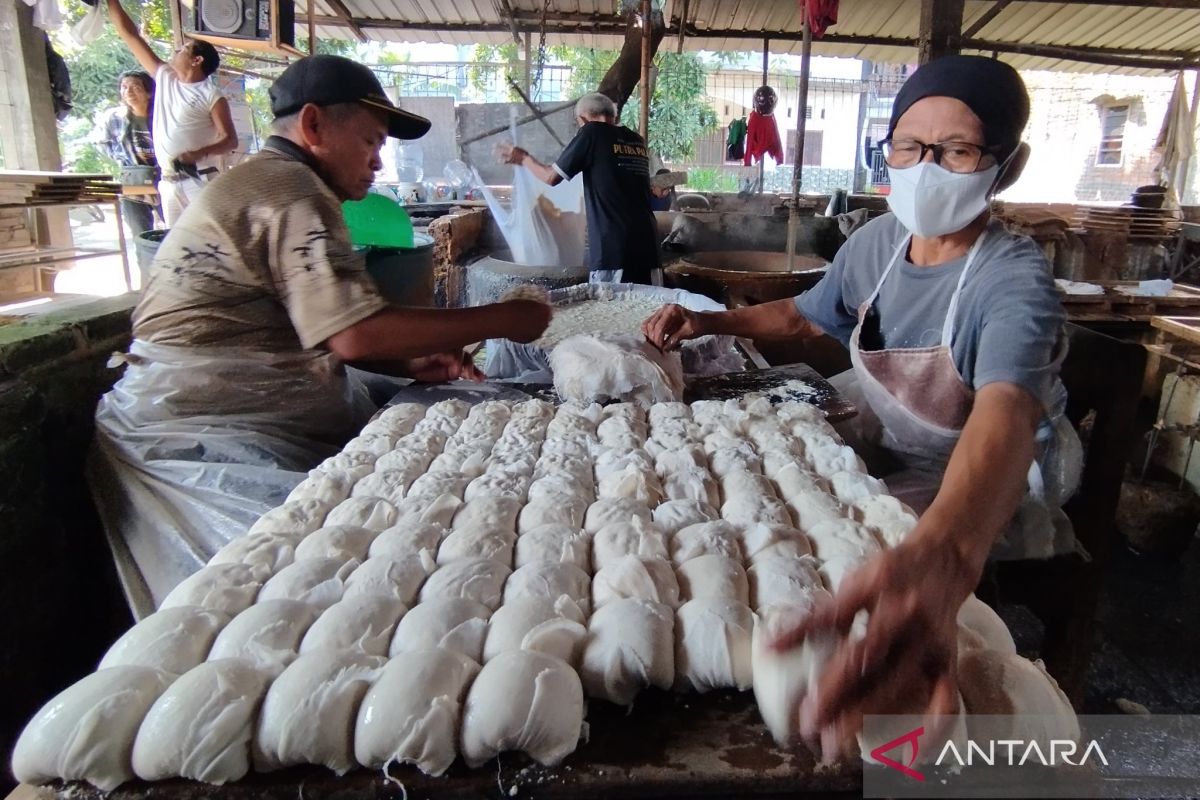
In the land of tofu and tempeh, our challenge is not merely planting soybeans, but understanding the soil in which they grow.
Jakarta (ANTARA) - Every day, we consume tempeh and tofu, two foods so closely tied to Indonesian identity. From simple stalls to family dining tables, they serve as affordable primary protein sources.
However, there is one irony that we rarely reflect upon: the main raw material for both, soybeans, largely comes from abroad. Even in traditional markets, this difference is evident.
Imported soybeans tend to have larger and more uniform seeds, while local soybeans are smaller. Why does this continue to happen in a country so familiar with tofu and tempeh?
The answer is not as simple as issues of varieties or cultivation technology. It is rooted more deeply in the complex relationship between soil, climate, and the agricultural system in this country.
Soybean Productivity
Indonesia’s current soybean productivity ranges from 1.5 to 1.7 tonnes per hectare, while Brazil and the United States have surpassed 3.3 tonnes per hectare. This means our soybean yield is only about half that of the world’s major producers, not solely a matter of technology, but a reflection of fundamental differences in soil, climate, and how we manage them.
This difference is not merely a technological issue, but reflects a deeper interaction between the acidic and nutrient-poor tropical soil conditions, humid climate with limited radiation, and a cultivation system that is not yet fully optimal in supporting the seed-filling phase.
Data shows that Indonesia’s dependence on imported soybeans remains very high. In recent years, around 80-90% of national soybean needs have been met through imports, with volumes exceeding 2.5 million tonnes per year, while domestic production is only in the hundreds of thousands of tonnes.
For the tofu and tempeh industry, which absorbs the majority of national soybean consumption, this dependency can reach more than 90%. This situation underscores that the soybean issue in Indonesia is not merely about production, but also concerns quality of yield, supply stability, and the suitability between the characteristics of tropical soil and the physiological needs of the soybean plant itself.
To date, Indonesia’s imported soybeans mainly come from the United States, Brazil, Argentina, and Canada. This pattern indicates that Indonesia is heavily reliant on the Americas as the main source of soybean raw materials, both due to the more uniform seed quality and their ability to provide large-scale and sustainable supplies.
Tropical Climate
Source: jawawa.id (https://jawawa.id/newsitem/in-the-land-of-tofu-and-tempeh-soybeans-lack-independence-1775728257)
Originally published by Antara (Indonesian) (https://www.antaranews.com/berita/5519145/di-negeri-tahu-tempe-kedelai-tak-mandiri), translated from Indonesian