
In the giant mortar, the city tells its story
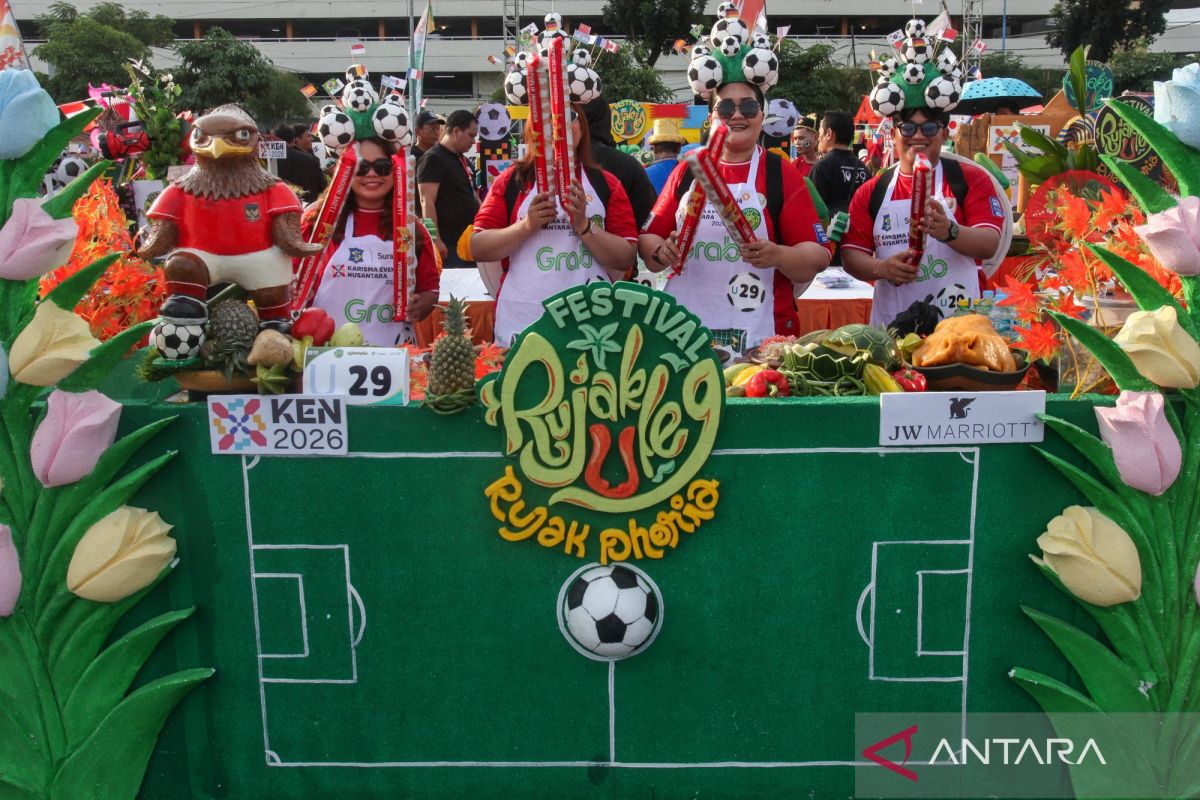
Rujak cingur, which originally appeared as a symbol of everyday society, could shift into a commodity of spectacle. Here, the balance between attraction and authenticity becomes key to ensuring that culture does not lose its social roots. Surabaya (ANTARA) - In a vast space that turned into a sea of people, giant mortars once again became the centre of attention in Surabaya City, East Java, during the Festival Rujak Uleg 2026. At the Surabaya Expo Center on Saturday night (9/5), the aroma of shrimp paste, sweet soy sauce, and fresh fruits blended with the clamour of applause, cheers from residents, and the sparkle of costumes themed around world football. This festival, part of the 733rd Surabaya City Anniversary (HJKS), is no longer just a culinary celebration but a social performance about how a city builds itself through traditions that are continually refreshed. The ‘Rujak Phoria’ theme adds a new layer to that cultural narrative. It is not just a play on words from ‘euphoria’, but also a cultural strategy to connect local traditions with global imagination. Amid the flow of urban modernisation, rujak cingur appears not as an artefact of the past, but as a living symbol of identity that continues to be negotiated. Surabaya Mayor Eri Cahyadi was present amid the crowd. Not in a stiff formal distance, but blending into the atmosphere of the people’s party. His presence reinforces the cultural-political message that the city government wants to build, that this festival is a collective space, not merely a ceremonial stage. Direct interactions with residents, from neighbourhood association leaders to campus communities and business actors, show how Surabaya’s public spaces are being designed as spaces of togetherness. However, behind the merriment, deeper questions are hidden, namely how far a cultural festival can endure as a space of meaning, not just a space of spectacle?