
In the AI Era, BINUS Rector Urges Universities to Develop Multidisciplinary Programmes
The rapid development of artificial intelligence (AI) is prompting universities to adapt their education systems. One way is to develop more multidisciplinary programmes so that students gain skills across different fields.
BINUS University Rector Nelly said understanding AI was important for all students, enabling them to use it to improve productivity in their respective areas of study.
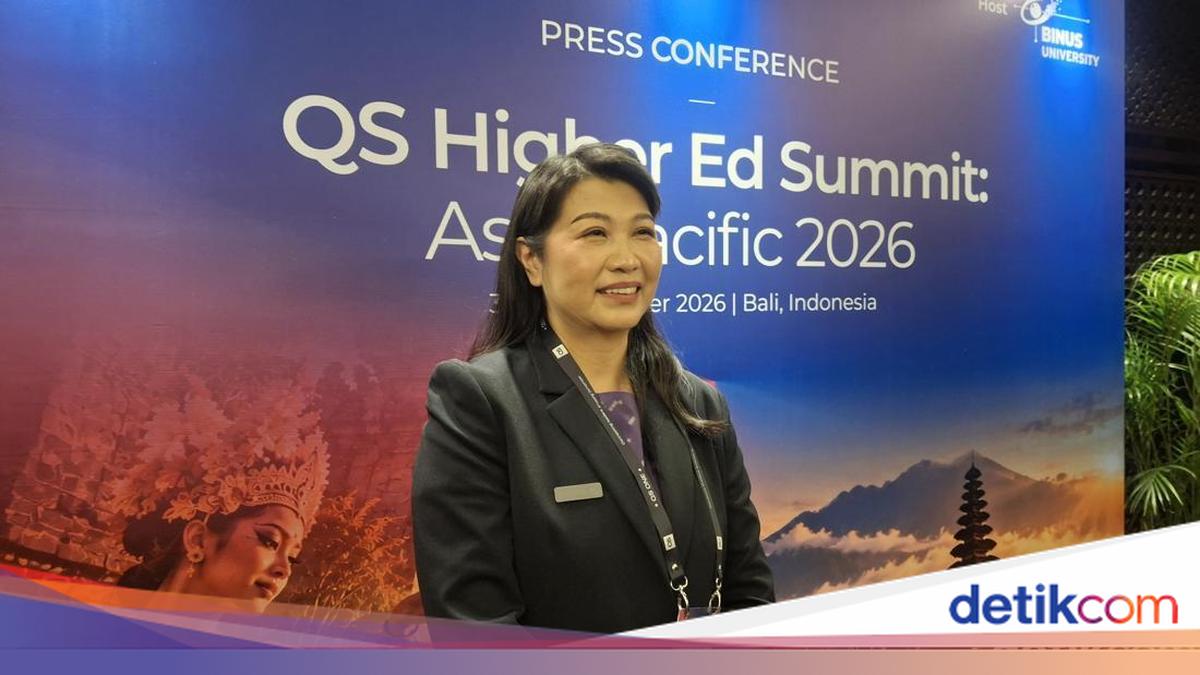
“All students need to understand and know what AI is and how it works, so that they can use this AI technology to improve productivity in their respective fields,” she said at the QS Higher Ed Summit: Asia Pacific 2026 on Tuesday (3 November 2026).
Nelly said technological advances did not mean universities had to close programmes considered less relevant to the changing needs of industry. Instead, programmes should work together and adopt multidisciplinary approaches to adapt to changing times.
“Perhaps it is not about closing programmes, but about how they can work together and become multidisciplinary programmes. That is what we are developing, because programmes operating on their own may not be strong enough in the future,” she said.
She cited BINUS’s existing major and minor programme system, which allows students to pursue an additional field of study outside their main programme.
For example, a student majoring in Computer Science can choose a minor in Digital Banking or Culinary Arts.
“BINUS already has major and minor programmes. So even if a student majors in Computer Science, they can choose from various minors, such as Digital Banking or Culinary Arts,” she said.
Nelly said more educational programmes would adopt multidisciplinary approaches in the future. This would give students expertise not only in one field, but also the ability to combine knowledge from different disciplines.