
In the Age of AI, UNIDA Gontor Students Urged to Build a Digital Reputation
JAKARTA — The development of artificial intelligence (AI) is beginning to change how people search for information, recognise brands, build trust and make purchasing decisions. This shift means marketing communications professionals can no longer focus solely on attracting attention and gaining popularity on social media; they must also build credibility to become trusted sources in the digital ecosystem.
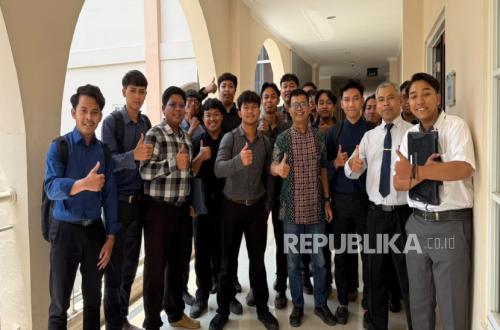
These issues were the focus of a guest lecture held by the Communication Studies Programme at the Faculty of Humanities, Universitas Darussalam Gontor (UNIDA Gontor), on Saturday (10 October 2026). The event, held at the Siman campus in Ponorogo, featured marketing and vocational education practitioner Ahmad Madani, who discussed AI Visibility and Generative Engine Optimisation (GEO) in modern marketing communications.
Addressing fourth-semester Communication Studies students, Madani delivered a presentation entitled “From Attention to Recommendation: Marketing Communications in the Era of Social Media and Artificial Intelligence”. He discussed the links between personal selling, social media marketing, TikTok Live and the development of AI technology, which is increasingly influencing information searches and consumer decision-making.
Madani said technological change had created new patterns in the relationship between people and digital information. Whereas users once tended to enter a few keywords into search engines, they are now increasingly accustomed to asking AI-powered platforms long, context-rich questions.
This change reflects a shift from searching for information to asking questions, which can then develop into requests for recommendations. In marketing, this requires companies, organisations and individuals to have a clear digital identity supported by credible information.
“Marketing communications used to be about how to attract attention. Then the focus expanded to engagement and building trust. Now there is a new question: is a brand or individual clear enough to understand, and credible enough to be recommended, including within the AI ecosystem?” Madani said.
Virality does not necessarily mean trust
Madani reminded students that high numbers of views, likes, followers and social-media interactions do not always indicate successful marketing communications. Content may reach millions of users without giving them a deep understanding of a brand’s identity, expertise and values.
Conversely, content with more limited reach can have a greater impact if it reaches the right audience. In such cases, the quality of the relationship and level of trust matter more than popularity alone.
He introduced five stages of marketing communications: Attention, Engagement, Trust, Conversion and Recommendation. These stages represent the audience’s journey from encountering a message to becoming confident enough to make a decision and recommend it to others.
“Attention matters, but it is not the end goal. Good communications must take audiences from simply seeing something to understanding it, then trusting it, taking action and ultimately recommending it,” he explained.
Madani said understanding these stages was important for communication students who may go on to work in brand management, digital marketing, public relations or business development. The ability to create engaging content needs to be matched by strategies for building relationships and a long-term reputation.
TikTok Live and the evolution of personal selling
Amid the growing use of digital technology, Madani stressed that human communication skills remain fundamental to marketing. One example is personal selling, in which direct interaction is used to understand consumers’ needs and build their trust.
A professional salesperson, he said, needs more than the ability to speak and promote products. They must also be able to ask questions, listen, understand consumers’ needs, explain a product’s benefits and address potential buyers’ concerns.
These principles now take a new form in livestream commerce, including TikTok Live. A sales host must be able to start conversations, sustain interaction, read comments, demonstrate products, answer questions and guide viewers towards a purchasing decision.
“In many ways, TikTok Live is personal selling moved onto a screen. The medium changes and the scale changes, but the communications foundation is still about trust,” Madani said.
He said the development of digital platforms should not lead students to neglect the basic principles of communication. Technology can expand the reach of interactions, but trust still has to be built by understanding people’s needs and providing information responsibly.
Source: jawawa.id (https://jawawa.id/newsitem/in-the-age-of-ai-unida-gontor-students-urged-to-build-a-digital-reputation-1791823847)
Originally published by Republika (https://news.republika.co.id/berita/tmsuh1451/era-ai-mahasiswa-unida-gontor-didorong-bangun-reputasi-digital), translated from Indonesian