
In-Depth Look at the Indonesia-US Reciprocal Trade Agreement: From Zero Tariffs to Import Regulations
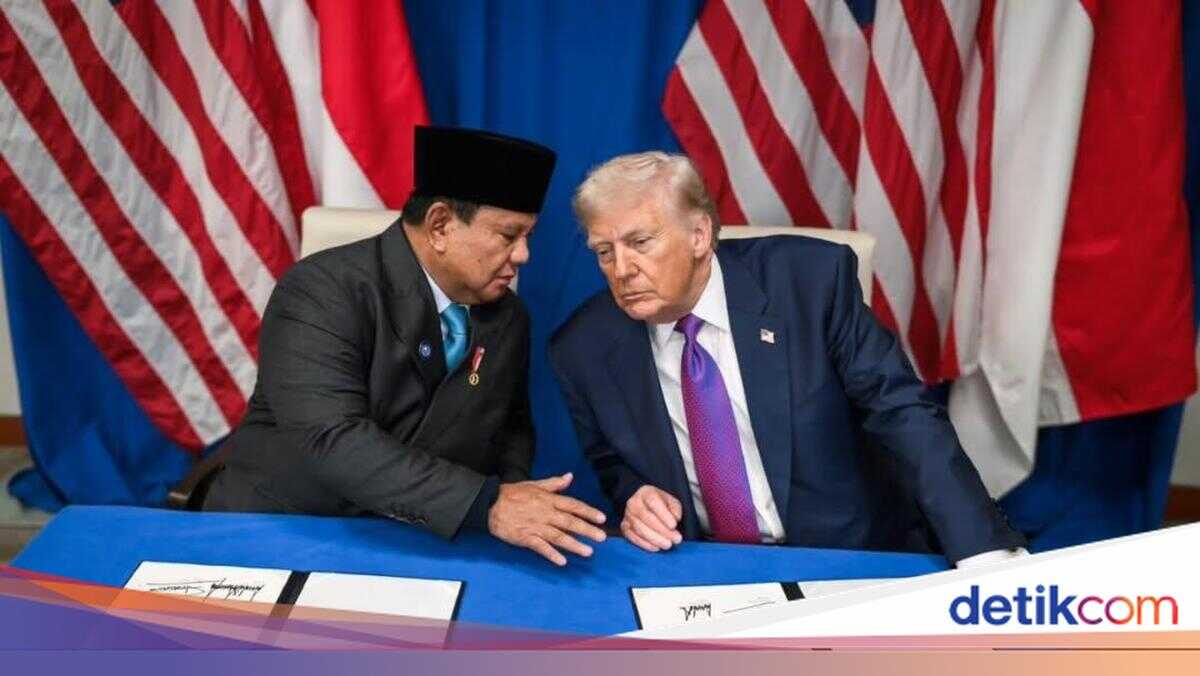
The Governments of the Republic of Indonesia and the United States have officially agreed upon The Agreement on Reciprocal Trade (ART). The pact contains a range of comprehensive accords, from tariff exemptions on flagship commodities to adjustments in import regulations. Below is a detailed breakdown of the official agreement document.
1. Background and Duration of the ART
On 2 April 2025, the US Government unilaterally imposed a 32 per cent Reciprocal Tariff on countries contributing to the US trade deficit, including Indonesia, which recorded a deficit of USD 19.3 billion in 2024.
To safeguard the livelihoods of approximately four to five million workers in labour-intensive industries, the Indonesian Government deemed negotiations essential. Jakarta opted for diplomacy rather than retaliatory measures, which were considered more damaging to the national economy.
Through intensive negotiations, the Reciprocal Tariff was reduced from 32 per cent to 19 per cent on 15 July 2025 via a Joint Statement on the Framework ART. On 19 February 2026, the Presidents of Indonesia and the United States formally signed the ART Agreement, setting tariff rates and exemptions for Indonesia’s flagship products.
The agreement will only take effect 90 days after both nations complete their legal procedures — including consultation and ratification — and provide written confirmation. The ART may be evaluated and amended at any time upon written request and mutual consent of both parties.
2. Benefits for Indonesia and Investment
Indonesia has secured a zero per cent Reciprocal Tariff on its flagship export products, including palm oil, coffee, and cocoa. Tariff exemptions have been granted to 1,819 Indonesian products, comprising 1,695 industrial products and 124 agricultural products.
For textile products, the US has prepared tariff reductions to zero per cent through a Tariff-Rate Quota (TRQ) mechanism. Investment in high-technology sectors — ICT, medical devices, and pharmaceuticals — has been facilitated through adjustments to local content (TKDN) policies, domestic specification requirements, and deregulation.
Indonesia’s implementation of Strategic Trade Management ensures a secure business ecosystem, preventing the misuse of high-technology goods. Streamlined import permits for US agricultural products are expected to help businesses obtain raw materials more efficiently in support of national food security programmes.
Indonesia has also relaxed foreign ownership restrictions for US companies in certain sectors, including limitations in the financial sector and mining divestment requirements.
3. Indonesia’s Commitments to the United States
Indonesia is opening market access to 99 per cent of US-origin products at zero tariff, effective upon Entry Into Force (EIF) of the agreement. Indonesia has committed to eliminating non-tariff barriers, particularly those relating to import licensing, TKDN requirements, recognition of US standards, and halal certification.
To balance foreign trade and meet domestic energy needs, Indonesia has agreed to purchase Metallurgical Coal, LPG, Crude Oil, and Refined Gasoline from the US. Indonesia has also agreed to procure US-made aircraft, components, and aviation services to boost the competitiveness of the national and regional aviation industry.
Purchases of US agricultural products will be increased by Indonesia as raw materials for the food and beverage industry as well as the textile industry.
4. Specific Product Import Provisions
Rice: The Government has allocated a special classification import quota of 1,000 tonnes of rice from the US, though actual imports will be adjusted according to domestic demand. This figure is highly insignificant, representing merely 0.00003 per cent of total national rice production, which reached 34.69 million tonnes in 2025. Over the past five years, Indonesia has never imported rice from the US.
Poultry: US poultry product imports take the form of live poultry for Grand Parent Stock (GPS) needs, totalling 580,000 birds valued at USD 17–20 million, given the absence of breeding facilities in Indonesia. Imports of mechanically deboned meat (MDM) for sausage and nugget production are estimated at 120,000–150,000 tonnes per year. Other poultry parts are not prohibited provided they comply with animal health and food safety requirements. The Government guarantees no policy will be enacted that sacrifices the domestic poultry industry or farmers.
Maize: Import access for US maize is opened specifically for raw material supply to the food and beverage industry. Import requirements are estimated at 1.4 million tonnes in 2025, and US maize meets the required specifications.
Alcoholic Beverages: The value of alcohol imports from the US to Indonesia is relatively small, at approximately USD 86.1 million, representing just 7 per cent of Indonesia’s total alcohol imports of USD 1.23 billion in 2025. The policy is seen as supporting tourism, although Indonesia also continues to actively protect local alcohol exports such as beer and wine.
Second-hand Clothing: The Government has confirmed it will not permit the import of intact second-hand clothing for thrifting. Only shredded worn clothing (SWC) — garments that have been destroyed for use as raw material in the recycled yarn and patchwork fabric industries — is permitted. The domestic industry is confirmed ready to absorb all SWC imports.
Safeguards Against Import Surges: Should a surge in US product imports disrupt domestic market stability, periodic evaluations will be conducted through the Council on Trade and Investment forum.
5. Non-Tariff Policies: Personal Data, Halal, and BPOM Licensing
Personal Data: Cross-border data transfer regulations remain fully subject to the domestic Personal Data Protection Act, with no surrender of data sovereignty whatsoever. Data transmission processes are conducted within a secure governance framework to enable Indonesia to attract investment such as cloud infrastructure and data centres.
Halal Certification: Indonesia has not waived halal certification requirements; food and beverage products remain obliged to hold halal certification. Food and beverage products containing non-halal elements must be labelled as non-halal to protect consumers.