
In Deciles 1–4? These Are Four Social Assistance Programmes You May Qualify For
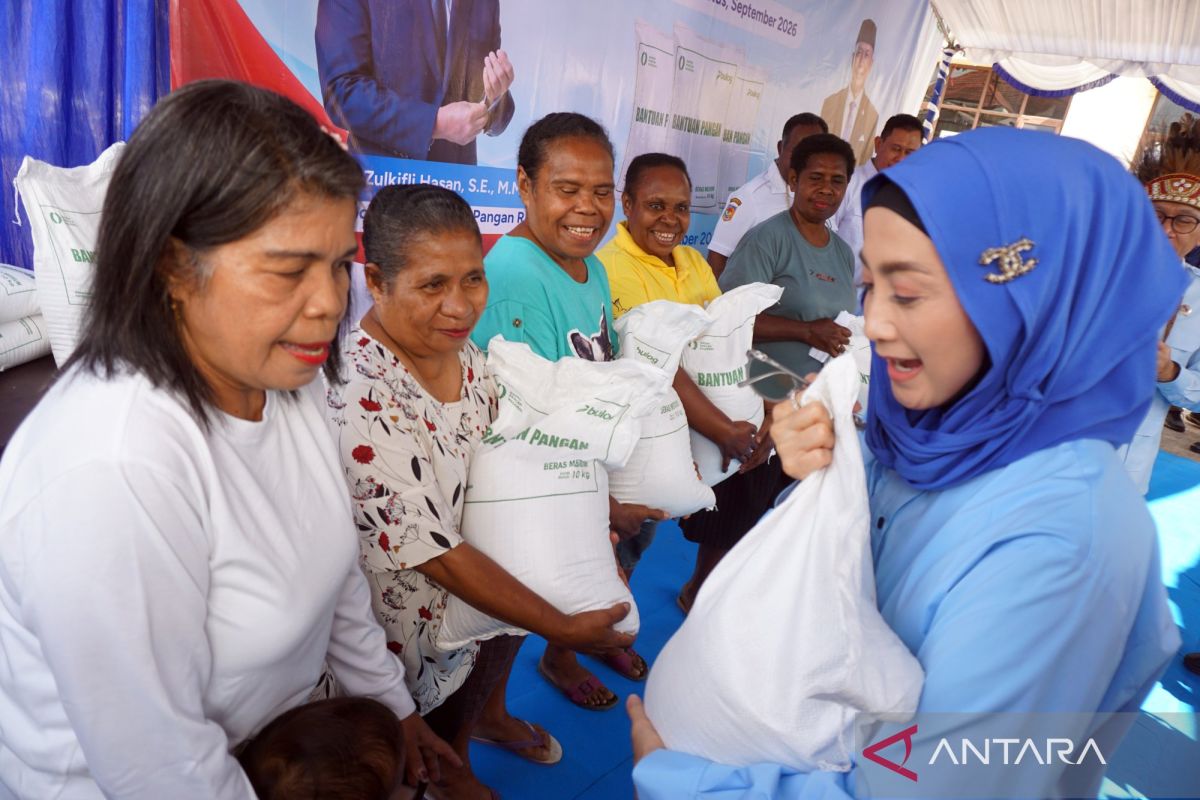
Jakarta (ANTARA) – The government uses social welfare data to identify people who should be prioritised for social assistance. One indicator is the decile, which groups households by welfare level, from the lowest to the highest.
People in deciles 1 to 4 are considered to have relatively low welfare and are therefore among the target groups for several social protection programmes.
However, being in these deciles does not automatically entitle someone to every type of social assistance, as each programme has its own requirements, criteria and distribution mechanisms.
Decile data should also be distinguished from programme enrolment status. Beneficiaries are determined in accordance with each programme’s rules and the applicable data updates and verification results.
The Family Hope Programme (Program Keluarga Harapan, or PKH) is conditional social assistance for poor and vulnerable families. It helps meet families’ basic needs, particularly in relation to health, education and social welfare.
According to information on the Ministry of Social Affairs’ official Cek Bansos website, families in deciles 1 to 4 can be proposed as PKH beneficiaries. The final decision also takes into account whether family members meet the programme’s criteria.
Groups targeted by PKH include pregnant women, young children, school-age children, older people and people with severe disabilities, in accordance with applicable rules.
The amount each family receives may vary depending on the beneficiary category and programme rules. Payments are made in stages through banks or other institutions appointed by the government.
2. Non-Cash Food Assistance (BPNT), or the Staple Food Programme
People in deciles 1 to 4 can also be proposed for Non-Cash Food Assistance (Bantuan Pangan Non-Tunai, or BPNT), also known as the Staple Food Programme.
The programme helps low-income families meet their food needs. Assistance is provided as money or through a distribution mechanism set by the government; it is not necessarily unrestricted cash assistance.
According to information about the Staple Food Programme on the Ministry of Social Affairs’ website, the stated assistance is Rp200,000 per beneficiary family per month. Payments may be made in a lump sum covering several months, depending on the schedule and distribution policy in effect.
Even if they are in deciles 1 to 4, people should check their enrolment status through official channels. Decile classification is one basis for identifying target groups, but it does not mean every household in those deciles automatically receives BPNT.
In addition to assistance for food and families, people in lower-welfare groups may also be targeted for the Contribution Assistance Recipient programme for health insurance (PBI-JK).
The programme pays National Health Insurance (JKN) contributions for people who meet the criteria. The government pays the contributions of those designated as PBI beneficiaries, enabling them to access healthcare services in accordance with JKN rules.
Unlike PKH and the Staple Food Programme, PBI-JK is not paid to participants in cash. Its benefit is the payment of health insurance contributions.
The Ministry of Social Affairs says PBI-JK targeting uses national socio-economic data. The official Cek Bansos website states that households in decile 5 can also be proposed for PBI-JK. People in deciles 1 to 4 are therefore among those who may be targeted, but should still check their enrolment status.
4. Indonesia Smart Programme (PIP) for schoolchildren
Families in deciles 1 to 4 can also seek information about the Indonesia Smart Programme (Program Indonesia Pintar, or PIP), particularly if they have children who are still in education.
PIP is government education assistance for pupils from poor or economically vulnerable families. It is intended to support continued education and reduce the risk of children dropping out because of financial difficulties.
In 2026, the Ministry of Primary and Secondary Education said the government had allocated Rp13.8 trillion for PIP, covering around 19.48 million pupils across Indonesia. The programme has also been extended to kindergarten level.
Nevertheless, PIP is not automatically awarded solely because a family is in deciles 1 to 4. The pupil’s status, the data used to determine recipients and the programme’s requirements must also be taken into account. Families can check PIP information through their school or the relevant ministry’s official channels.
People can check their welfare ranking and assistance status on the Ministry of Social Affairs’ official Cek Bansos website at https://cekbansos.kemensos.go.id/.
According to the website’s instructions, users should enter their 16-digit National Identification Number (NIK) as shown on their identity card, complete the displayed verification code and click the search button. The system uses the National Single Socio-Economic Data (DTSEN) as its data source.
Deciles are determined using various socio-economic variables, including personal circumstances, education, employment, housing conditions, electricity capacity and asset ownership. There are 10 decile groups: decile 1 represents the bottom 10 per cent by welfare, while decile 10 represents the top 10 per cent.
Rankings are dynamic and may change as data is updated. If a family’s circumstances do not match the information on record, it can request an update through its village or urban-ward administration, the local social affairs office, or the mechanism available through the Cek Bansos application. The data will then be reviewed and recalculated.
People in deciles 1 to 4 may therefore be eligible for several programmes, particularly PKH and the Staple Food Programme. PBI-JK and education assistance such as PIP may also be relevant to families that meet each programme’s criteria.
It is important to remember that a decile ranking does not guarantee automatic receipt of all social assistance. Beneficiary status is determined by programme-specific criteria, available allocations, and the results of government data verification and updates.
Source: jawawa.id (https://jawawa.id/newsitem/in-deciles-1-4-these-are-four-social-assistance-programmes-you-may-qualify-for-1794037973)
Originally published by Antara (Indonesian) (https://www.antaranews.com/berita/5838279/masuk-desil-1-4-ini-4-bansos-yang-bisa-diterima-masyarakat), translated from Indonesian