
In Banyumas, President Witnesses Waste Transformed into Tiles and Fuel Materials
President Prabowo Subianto inspected a waste processing facility that converts waste into various economically valuable products, such as tiles and paving blocks, at the Integrated Environment and Education-Based Waste Processing Facility (TPST BLE) in Banyumas, Central Java, on Tuesday (28/4/2026).
In a YouTube video broadcast by the Presidential Secretariat monitored in Jakarta, Prabowo closely examined products made from processed plastic waste, including tiles and paving blocks, which are now used as materials for public facilities in the local area.
The Head of State was seen occasionally handling these products while listening to explanations from staff about their durability and production process.
During the inspection, the President received a comprehensive explanation about the various waste processing activities carried out by the staff. Prabowo listened attentively to the programme’s workflow, from sorting to producing final products ready for marketing or reuse by the community.
The President also observed products from organic waste processing generated by the facility in Wlahar Wetan Village. Some of the displayed products included organic pellets for fish feed, as well as maggots in dried or live forms, which are beneficial as high-protein animal feed.
The TPST BLE Banyumas facility is a modern waste management infrastructure that applies automatic sorting technology with a capacity of up to 75 tons per day. The site processes waste residue collected from various TPSTs across Banyumas Regency.
One of the highlighted advantages at the location is the One Day Process method using special machinery. This system ensures that every piece of waste entering the facility is fully processed within one day, preventing waste accumulation in the work area.
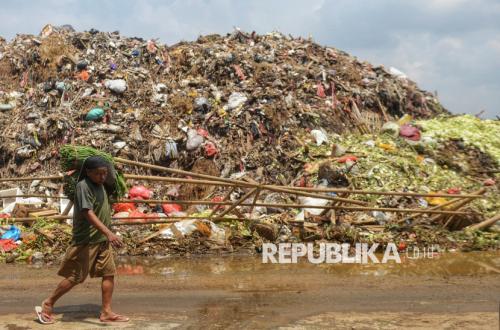
Through this approach, TPST BLE Banyumas aims to achieve the Zero Waste to Landfill target. This policy ensures that Final Processing Sites (TPA) no longer function as open waste dumping grounds but are transformed into centres for producing high-value economic goods.
In addition to tiles and paving blocks, the facility also produces alternative fuels in the form of Refuse-Derived Fuel (RDF) and Solid Waste Fuel (BBJP). These products are used as coal mixtures in power plants and cement industries, while also supporting Indonesia’s green energy transition efforts.
Source: jawawa.id (https://jawawa.id/newsitem/in-banyumas-president-witnesses-waste-transformed-into-tiles-and-fuel-materials-1777369888)
Originally published by Republika (https://esgnow.republika.co.id/berita/te75ca423/di-banyumas-presiden-saksikan-sampah-disulap-jadi-genteng-dan-bahan-bak), translated from Indonesian