
In a World That Is No Longer Clean, Is Our Body Ready?
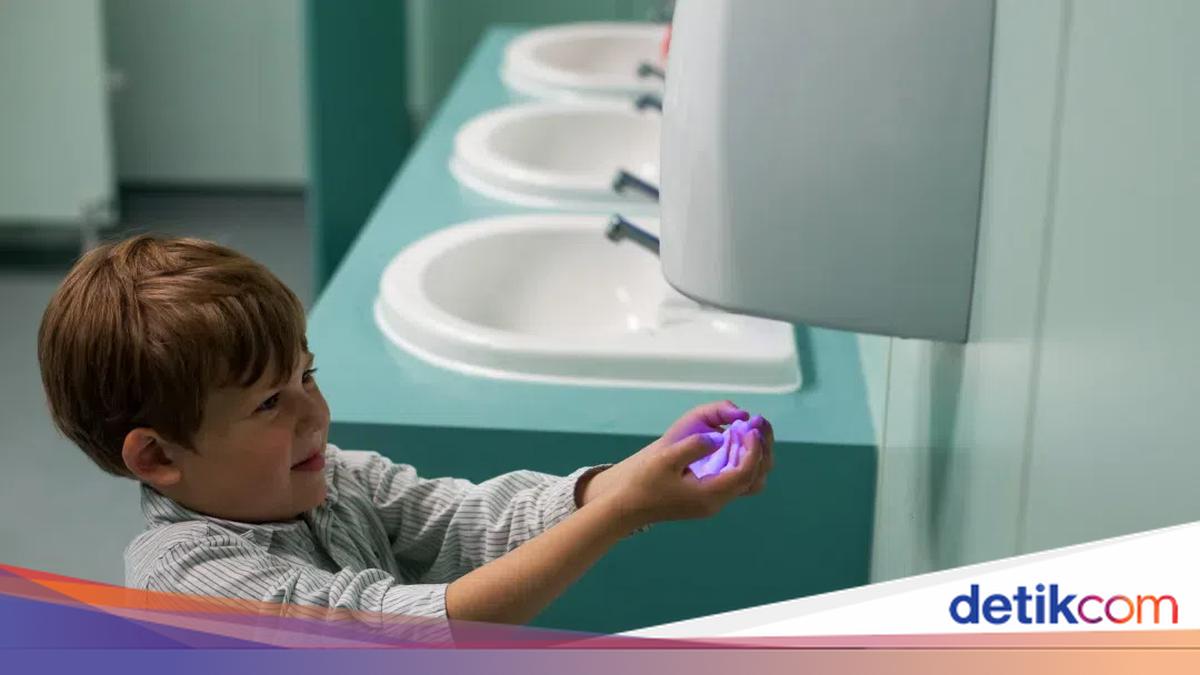
The COVID-19 pandemic changed the way people think about cleanliness. Handwashing, using disinfectant and maintaining environmental sanitation have become more familiar practices. This shift is an important advance in disease prevention. Yet behind this greater awareness lies a question that is rarely discussed: does living more healthily mean that the environment must become increasingly sterile?
The question is relevant when we recognise that people have never lived in an environment entirely free of microorganisms. Bacteria, fungi and other microbes are part of everyday life. Some can cause illness, but others play an important role in maintaining the body’s balance.
The issue is no longer simply how to avoid microorganisms, but how to distinguish beneficial exposure from exposure that threatens health.
The Body and the Microbial World
In microbiology, the human body is home to communities of microorganisms known as the microbiota. They are found on the skin, in the digestive tract and in other parts of the body. Their presence is not always harmful. Some help with metabolism, maintain the body’s protective functions and interact with the immune system.
The relationship between humans and microorganisms is also examined in immunology. One recognised concept is the hygiene hypothesis, first put forward by David Strachan in 1989. The hypothesis developed from observations about the relationship between childhood living conditions and the risk of allergic diseases.
As scientific knowledge has advanced, researchers have broadened the discussion through the ‘old friends’ hypothesis. This approach emphasises the importance of human interaction with certain microorganisms that have long been part of the environment in which people live.
These findings should not, however, be taken to mean that the more microbes enter the body, the stronger a person’s immune system will be. Not all microorganisms have the same effects. Exposure to harmful microbes can still cause serious infections.
Cleanliness and the development of the immune system should therefore not be treated as opposing interests.
Clean Does Not Have to Mean Sterile
Misunderstandings often arise when cleanliness is seen as synonymous with eliminating all microorganisms from the environment. In fact, there are fundamental differences between cleaning, disinfecting and sterilising.
Cleaning aims to remove dirt and reduce microorganisms on a surface. Disinfection is carried out to inactivate or kill many disease-causing microorganisms. Sterilisation, meanwhile, is a process intended to eliminate all forms of microbial life, including spores, through specific procedures.
In the home, not every surface needs to be disinfected continuously. Routine cleaning is generally sufficient, while disinfection is necessary depending on the risk of disease transmission.
This distinction matters: people should not measure health solely by how often they use chemical cleaning products.
Maintaining cleanliness remains essential. Washing hands before eating, preparing food safely, using safe water and managing waste properly are preventive measures that cannot be neglected.
At the same time, everyday interaction with the natural environment need not be seen as a threat when it takes place in safe conditions. Health requires protection from pathogens without treating all microorganisms as enemies.
When Ideal Conditions Are Not Available
Cleanliness becomes a more complex issue when communities face natural disasters. Floods, earthquakes and other emergencies can damage clean-water networks, disrupt waste disposal and restrict access to healthcare facilities.
In such circumstances, the risk of disease rises not because people have become too accustomed to living cleanly, but because the sanitation safeguards they have relied on are disrupted.
Contaminated water can spread disease. Accumulated rubbish, overcrowded evacuation shelters and limited hygiene facilities can also increase risks to public health.
This shows that readiness for less-than-ideal environments cannot rely solely on the body’s biological capacity. Health resilience also depends on infrastructure preparedness, public knowledge and the speed with which health services respond to crises.
Building a resilient society must therefore include hygiene education and sanitation preparedness for emergencies.
The government needs to ensure reliable clean-water systems, emergency sanitation facilities and mechanisms to distribute hygiene supplies when disasters occur. People also need to understand practical steps for keeping drinking water and food safe and maintaining personal hygiene when basic services are disrupted.
Understanding Hygiene in Proportion
The experience of the pandemic should not leave behind only the habit of using disinfectant; it should also improve understanding of science-based disease prevention.
We need to move beyond two equally mistaken views. The first is that all microorganisms are dangerous and must be eliminated. The second is the belief that exposure to a dirty environment can strengthen the immune system.
Both overlook the complexity of the relationship between people and microorganisms.
A better approach is to practise hygiene according to risk. Protection should be strengthened when the potential for transmission is high, while normal interaction with the environment can continue without excessive fear.
More broadly, health cannot be separated from environmental quality and the readiness of public services. A healthy body needs clean water, safe food, adequate sanitation, balanced nutrition and access to healthcare.
Ultimately, being ready for a world that is not always clean does not mean getting the body used to living in dirty conditions. Readiness is built through sound knowledge, appropriate preventive behaviour and a public health system capable of functioning when ideal conditions are unavailable.
We do not need a completely sterile world. We need a safe environment, a public that understands risk and a health system prepared to face crises.
Because when the world is no longer clean, what matters is not only the body’s ability to cope with its environment, but also our ability to safeguard health together.
Source: jawawa.id (https://jawawa.id/newsitem/in-a-world-that-is-no-longer-clean-is-our-body-ready-1792468286)
Originally published by detikcom (https://news.detik.com/kolom/d-8715050/saat-dunia-tak-lagi-bersih-apakah-tubuh-kita-siap), translated from Indonesian