
Improve Fiscal Conditions, Ministry of Home Affairs Highlights the Role of Regional Bonds
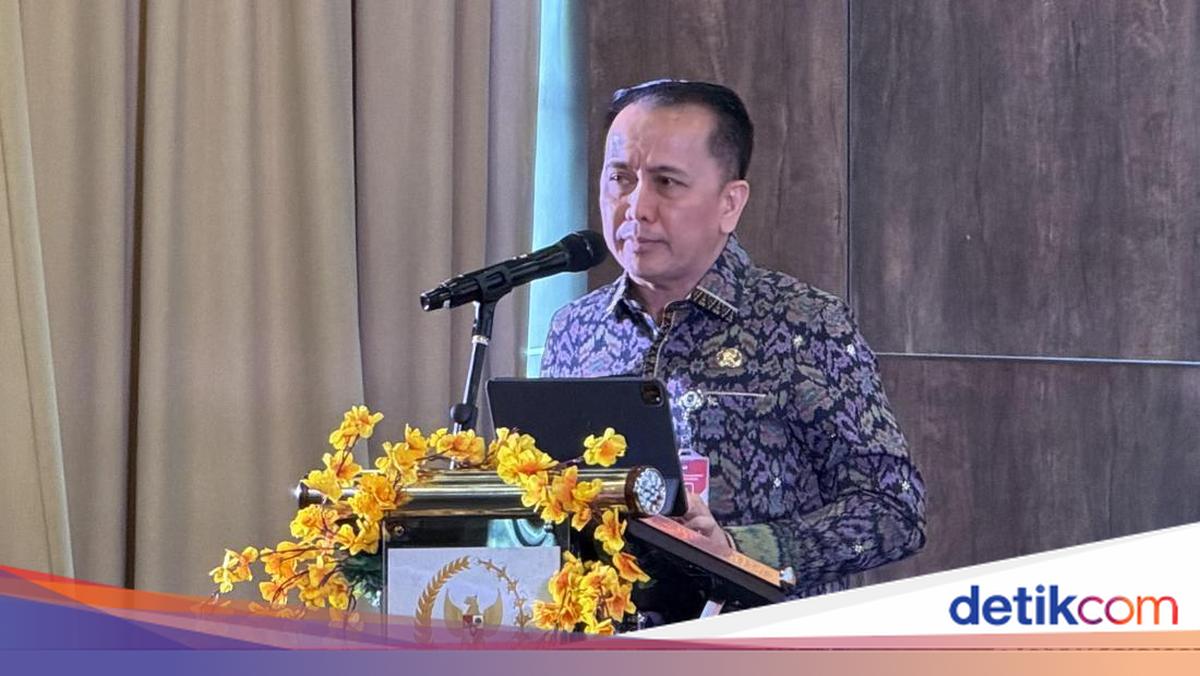
Fatoni said that most regions in Indonesia still have weak fiscal conditions and require alternative financing to support development and public services. “Out of 38 provinces in Indonesia, only 20 provinces have strong fiscal conditions, while nine are in the medium category and nine are still weak. At the regency/city level, the majority of regions are also in a weak fiscal position, numbering in the hundreds,” he said in a statement on Wednesday (20 May 2026). Given these conditions, regional governments are urged to innovate, take breakthroughs, and seek alternative financing to fund development, improve public services, and enhance the welfare of the people. “One step that regional governments can take to strengthen the fiscal position is to optimise local revenue (PAD),” he said. This can be achieved through intensification and extensification of revenue sources, improving the quality of human resources, digitalisation of services, and innovations in the management of regional revenue. In addition, Fatoni stressed the importance of controlling regional spending to be more efficient and targeted. According to him, regions should focus their budgets on needs truly felt by the people, accompanied by prudent debt management and increased transparency and accountability of regional finances. He also highlighted the importance of creative financing as a solution to strengthen regional fiscal capacity. Fatoni noted that development financing is not only sourced from the APBD, but can also come from optimising BUMD, BLUD, utilisation of regional assets, and even the issuance of regional bonds as a public investment instrument. “Regional bonds are one of the alternatives in seeking development financing. The legal basis is already strong and needs to be reinforced further so that its implementation can run optimally,” he said. The National Symposium was held amid the still high dependence of the APBD on central government transfers such as the DAU, DAK, and DBH. The event also serves as a forum to deepen understanding of opportunities, challenges, and strategic steps for implementing regional bonds in Indonesia. In addition to financing development, regional bonds are seen as potential public investment instruments that involve the public and financial institutions in regional development. Other aims of the event include increasing the understanding of regional governments, the legislature, academics, and the public about the concepts and mechanisms of regional bonds, while encouraging investor participation in public regional investment through capital market instruments.