
Important Announcement Expected Tomorrow, Hopefully Bringing Good News
Jakarta, CNBC Indonesia - Indonesia’s inflation is expected to moderate in July 2026 as pressures on food and energy prices subside. The Central Bureau of Statistics (BPS) is scheduled to announce the July 2026 inflation data tomorrow, Monday (3/8/2026).
A market consensus gathered by CNBC Indonesia from 12 institutions estimates that the Consumer Price Index (CPI) will experience a monthly inflation rate of 0.11% (month-to-month) for July 2026. On a yearly basis (year-on-year), inflation is expected to reach 3.2%, while core inflation is projected to be at the 2.77% level.
In the previous BPS release, Indonesia recorded inflation of 0.44% (mtm) and 3.34% (yoy). Core inflation was recorded at 2.76% (yoy), while government-regulated price groups experienced inflation of 1.41% (mtm). The polling results indicate that headline inflation is expected to ease both monthly and annually in July. In contrast to headline inflation, core inflation is projected to rise slightly from the previous month.
The easing of inflationary pressure is primarily supported by a decline in the prices of several food commodities. The Office of Chief Economist at Bank Mandiri estimates that the volatile food group will experience deflation of 1.12% (mtm), reversing from an inflation of 0.14% in June. “We expect volatile food prices to fall by 1.12% monthly, primarily driven by the decrease in red chilli and shallot prices following the peak harvest season,” wrote the Bank Mandiri team.
This movement is reflected in the data from the National Food Price Strategic Information Centre (PIHPSN). The average price of red bird’s eye chilli in July fell by 21.12% to Rp58,089 per kilogram from Rp73,643 per kilogram in June, while the average price of shallots dropped by 17.28%, from Rp53,189 per kilogram to Rp44,000 per kilogram in July. The average price of large red chillies also slumped by 17.43%, from Rp59,400 to Rp49,048 per kilogram. The decline in these two commodities has helped curb food inflation pressures.
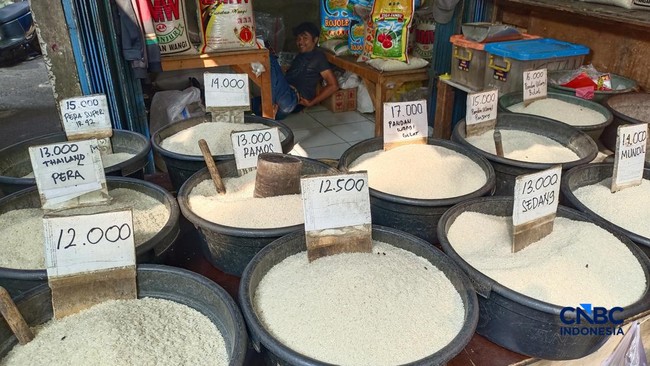
However, food price improvements have not occurred uniformly. The dry season remains a risk to food supply and prices in the near future. PIHPSN data shows the average price of garlic in July rose by 3.64% to Rp44,311 per kilogram. Chicken meat prices increased by 2.03% to Rp38,207 per kilogram, while rice rose by 0.68% to Rp16,183 per kilogram.
In addition to food, easing energy price pressures have also provided room for inflation to moderate. Following sharp increases in Pertamax and Pertamax Green in June, Pertamina reduced the prices of several non-subsidised fuels starting 1 July 2026. In DKI Jakarta, the price of Pertamax Turbo RON 98 fell from Rp20,750 to Rp19,300 per litre. The price of Dexlite also dropped from Rp23,000 to Rp19,700 per litre, while Pertamina Dex fell from Rp24,800 to Rp21,150 per litre. Meanwhile, the price of Pertamax RON 92 remained at Rp16,250 per litre and Pertamax Green 95 held steady at Rp17,000 per litre. Subsidised fuel prices remained unchanged; Pertalite stayed at Rp10,000 per litre, while subsidised Solar remained at Rp6,800 per litre. The reduction in several non-subsidised fuels helped reduce price pressures on the transport group in July.
On the other hand, core inflation pressures persist. Bank Danamon economist Hosianna Evalita Situmorang noted that the impact of energy price and transport tariff adjustments from the previous month is still ongoing. The weakening of the rupiah and rising production costs are also beginning to trickle down to the prices of goods and services. “Core inflation is expected to increase gradually as the pass-through of the rupiah’s weakness and the increase in input costs to the prices of goods and services continues,” Situmorang told CNBC Indonesia.
Similar pressures were expressed by Bank Maybank Indonesia economist Juniman. He estimates July inflation will reach 0.20% (mtm) and 3.23% (yoy), primarily influenced by food prices and rising education costs at the start of the new school year. “July inflation is mainly driven by the rise in food prices such as rice, cooking oil, beef, chicken, eggs, and soybeans. Additionally, education costs are increasing in line with the start of the new academic year,” said Juniman. The weakening rupiah is also seen as increasing imported inflation, visible in the rising prices of electronics, cars, and motorcycles. Conversely, the decline in global gold prices is expected to help suppress the price of gold jewellery.