
Import Duty on LPG Eliminated, Government Protects Plastics Industry from Price Surge
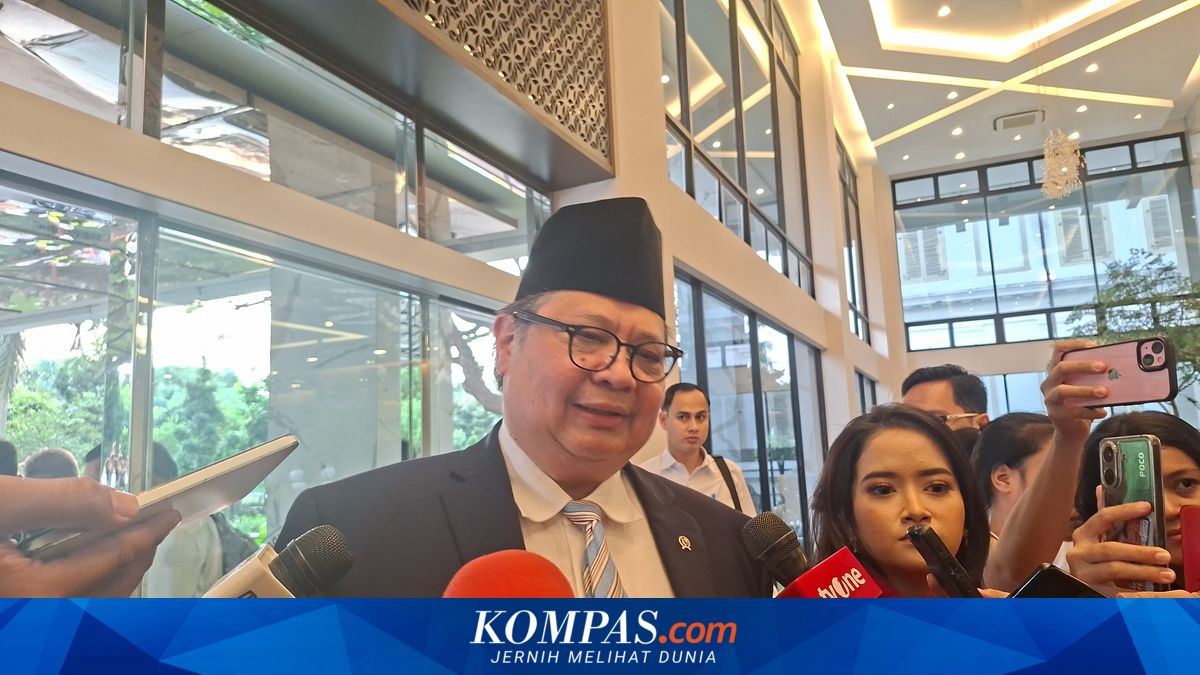
The government has exempted import duties on liquefied petroleum gas (LPG) at zero per cent, as a step to dampen supply pressures on industrial raw materials due to global volatility. This policy was announced by Coordinating Minister for the Economy Airlangga Hartarto in response to disruptions in naphtha supplies, including the impact of tensions in the Strait of Hormuz that are pressuring the petrochemical and plastics industries. “The incentive for LPG involves policy intervention on import duties for LPG, mainly for the petrochemical industry, which is facing difficulties in obtaining naphtha due to the case of war in the Strait of Hormuz,” said Airlangga during a press conference on accelerating government programmes to support economic growth, at the Coordinating Ministry for the Economy office on Tuesday (28/4/2026). The policy is aimed at allowing LPG to serve as an alternative raw material replacing naphtha, particularly for the petrochemical and refinery industries. According to Airlangga, President Prabowo Subianto has also instructed the Minister of Energy and Mineral Resources (ESDM) Bahlil Lahadalia to seek alternative naphtha supply sources. However, for the short term, the government has opted to relax LPG imports to keep the industry running. Airlangga explained that the continuity of refinery production is crucial because its outputs serve as the main raw materials for the plastics industry. Therefore, the implementation of the policy will be followed by derivative regulations prepared by the Ministry of Industry and the Ministry of Finance. “Since refineries are needed for plastics raw materials, the Minister of Industry and the Minister of Finance will prepare a Ministerial Regulation on Industry or a Finance Minister Regulation,” said Airlangga. The policy was taken after reports of global plastic prices surging by 50 per cent to 100 per cent, which is feared to pressure the food and beverage packaging industry and impact consumer goods prices. “We know that plastic prices have risen by 50 to 100 per cent, and this will certainly affect plastic packaging, which is why plastic packaging is also constrained domestically by naphtha,” said Airlangga. The types of raw materials receiving import tariff exemptions include polypropylene (PP), high-density polyethylene (HDPE), linear low-density polyethylene (LLDPE), and polyethylene (PE). “So the policy we are taking is also being adopted by other countries like India, so we are following suit to ensure that packaging does not increase the prices of food and beverage materials,” he added. In addition to tariff relaxation, the government is also preparing simplifications to the import licensing process. Relevant ministries will compile a list of commodities requiring technical considerations (Pertek), while the Ministry of Trade will revise related regulations to make the import process more certain.