
Impact of Weakening Rupiah on Health: Prices of Medicines and Medical Equipment Potential to Rise
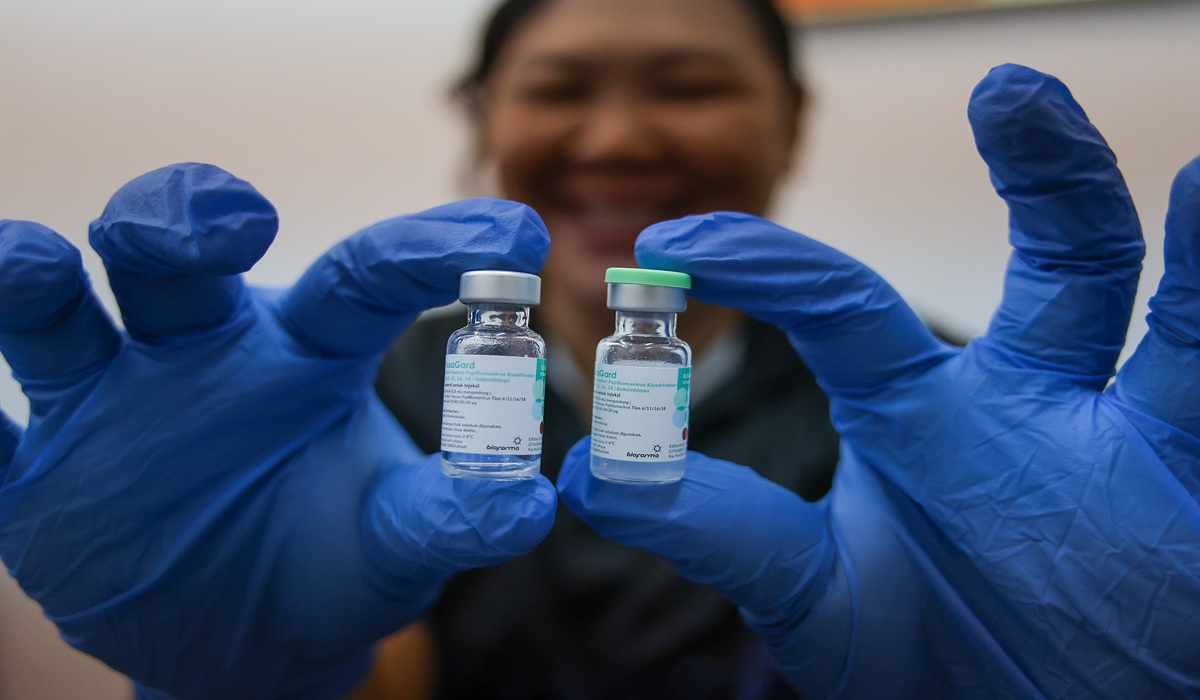
The weakening exchange rate of the Rupasting the US Dollar has breached the Rp18,000 per 1USD mark, creating significant implications for healthcare services. Professor Tjandra Yoga Aditama, Director of Postgraduate Studies at YARSI University, highlighted five potential health impacts that must be anticipated due to the surge in the USD exchange rate. The most immediate impact is the potential rise in medicine prices.
“Most raw materials for medicines in Indonesia are still imported. The government is currently attempting to control prices through procurement relaxation so that the pharmaceutical industry can seek supplies from other countries at more affordable prices,” Tjandra stated on Tuesday.
The second impact relates to diagnostic costs. The prices of reagents, cartridges, and test strips for laboratory examinations are predicted to increase due to the dependence on imported components. This is followed by a third impact: the rising operational costs of advanced medical equipment in hospitals, the majority of which are sourced from abroad.
Furthermore, Professor Tjandra highlighted non-physical impacts as a fourth point. The financial pressure resulting from the rising USD can trigger stress and mental health disorders among those economically affected. The fifth impact is long-term; if the situation does not improve, public purchasing power for nutritious food and access to healthcare services will decline drastically. He expressed hope that economic stability could be restored to maintain the nation’s health resilience.
In the context of the currency pressure, the Rupiah has been pushed to levels around Rp17,749 per US Dollar, driven by increased demand for safe-haven assets and a widening current account deficit in Indonesia. Meanwhile, the National Police Chief, General Listyo Sigit Prabowo, has emphasised that authorities will take firm action against mafias responsible for driving up domestic medicine prices, noting that raw material costs are a primary driver of high prices. Additionally, the Acting Head of BPOM, Taruna Ikrar, suggested that the production of phytopharmaceuticals or herbal medicines, which have been tested, holds potential for development amidst the rising costs of conventional medicines.
Source: jawawa.id (https://jawawa.id/newsitem/impact-of-weakening-rupiah-on-health-prices-of-medicines-and-medical-equipment-potential-to-rise-1780984246)
Originally published by Media Indonesia (https://mediaindonesia.com/humaniora/898463/dampak-rupiah-melemah-terhadap-kesehatan-harga-obat-dan-alkes-berpotensi-naik), translated from Indonesian