
Impact of War: Fertiliser Supply Crisis Looms Over Asia's Rice Production
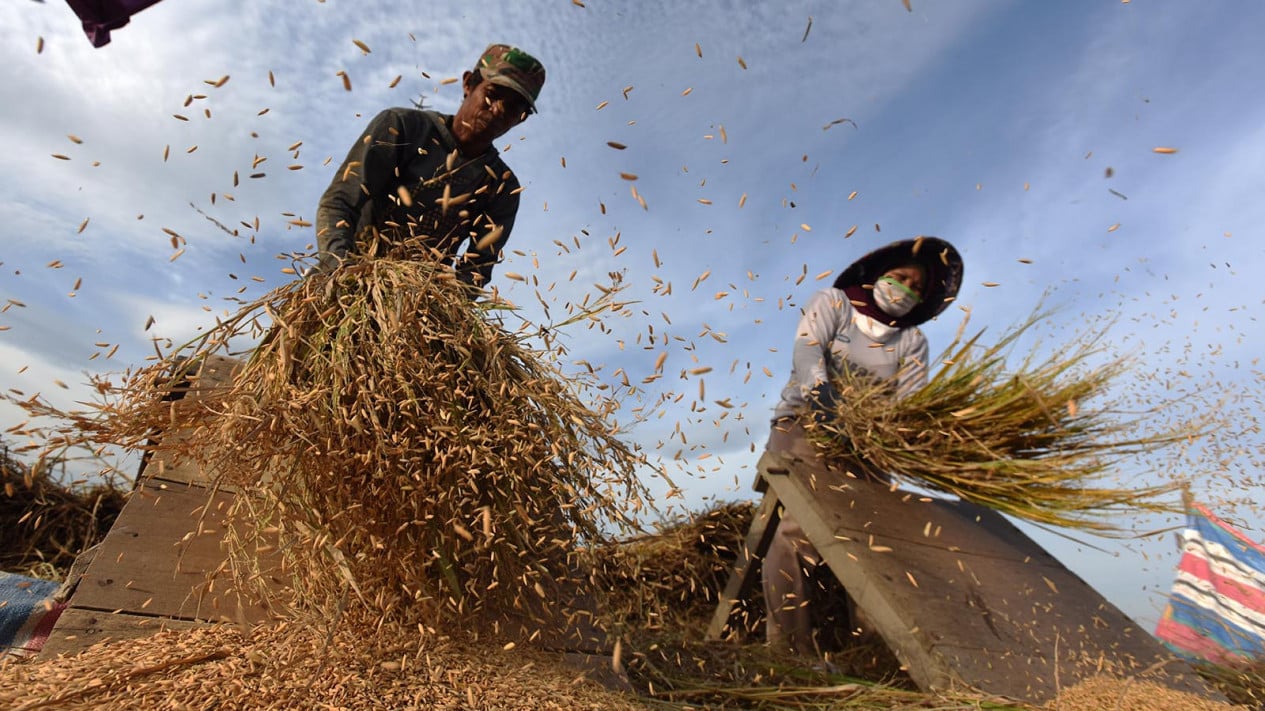
The conflict involving Iran, Israel, and the United States is beginning to have widespread impacts on the global food sector. Disruptions to fertiliser supply chains and price surges are now being felt in various Asian countries, particularly in Southeast Asia, which heavily depends on imports of these materials.
The planting season in several countries is now threatened by limited fertiliser supplies. This situation has the potential to affect rice production, which is the primary food commodity in the region.
One farmer in Thailand, Suchart Piamsomboon, admitted to difficulties in obtaining fertiliser as the planting season begins. Not only is it scarce, but fertiliser prices have also risen significantly in a short time.
“I have decided not to plant,” he said, as quoted by the BBC on Saturday, 2 May 2026.
He assessed that farming under current conditions would risk losses because production costs are continuously increasing while income is not commensurate.
Similar conditions are occurring in other countries such as Vietnam and the Philippines. Many farmers are facing the same dilemma due to surging fertiliser prices and supply uncertainties.
Decisions to delay or reduce planting activities could potentially impact harvests at the end of the year.
As is known, these disruptions were triggered by the closure of the Strait of Hormuz, a vital global trade route through which around a third of the world’s fertiliser distribution passes. Since the conflict intensified at the end of February, fertiliser distribution flows from the Gulf region have been disrupted, causing urea prices to rise by more than 40 per cent.
The situation has been worsened by China’s policy of restricting fertiliser exports since March. As the world’s largest fertiliser producer, this measure has a significant impact on countries dependent on supplies from China.
A fertiliser exporter in China mentioned that shipments to several countries had to be halted despite prior agreements. “We have already received orders. Clients are waiting. But now we are told not to ship,” he revealed.
The dependence of Asian countries on imported fertilisers makes the impact of this policy even more pronounced. Vietnam, for example, relies heavily on fertiliser supplies from China to support its rice production. Meanwhile, the Philippines has an even higher dependence without adequate domestic production support.