
Impact of US-Israel War vs Iran Spreads, Asia's Rice Supply Begins to Be Threatened
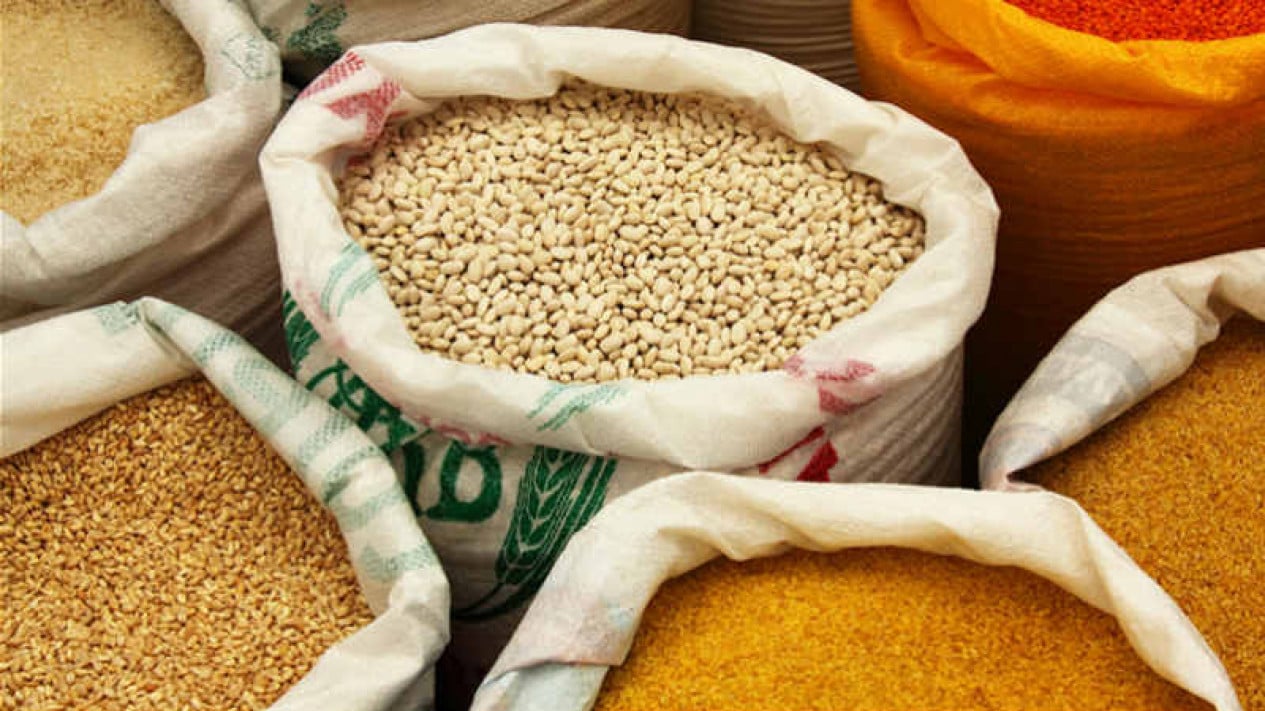
The impact of the war in the Middle East is beginning to spill over into the global food sector. The conflict involving Iran is now triggering a new crisis in Southeast Asia, particularly affecting rice production, which is the staple food for billions of people.
Disruptions in fuel and fertiliser supplies due to uncertainties in the Strait of Hormuz are making it difficult for farmers to carry out agricultural activities. This route is a vital pathway for distributing energy and agricultural raw materials to the Asian region.
In various Southeast Asian countries, millions of smallholder farmers are now facing sharp increases in production costs. Prices for fertilisers and diesel have risen dramatically, in some cases reaching two to three times higher.
This situation is leading many farmers to consider reducing production or even not planting at all.
In Thailand, some farmers are reportedly leaving rice that is ready for harvest in the fields because harvesting costs are too expensive. Meanwhile, in other countries, farmers are beginning to delay the planting season due to uncertainties in prices and supplies.
Director of BRM Agro in Cambodia, Patrick Davenport, described the increasingly pressing situation for farmers. “There are many farmers who are panicking. Most are involved in agriculture and they are all being hit hard,” he said, as quoted from The Business Times on Monday, 13 April 2026.
This crisis is a serious concern because rice is the staple food for more than half of the world’s population. Additionally, the agricultural sector is the main source of livelihood for rural communities in Southeast Asia.
Although production costs are rising, global rice prices remain relatively low. The benchmark price for Thai white rice even hit a decade-low level, below US$400 per tonne or around Rp6.8 million. This is further squeezing farmers’ profit margins.
The chief economist at the Food and Agriculture Organization, Máximo Torero, warned of broader impacts if supply disruptions continue. “Margins are very tight, and that means they will plant less,” he stated.
He added that if the closure of the Strait of Hormuz lasts another 20 to 30 days, the effects on food availability could start to be felt in the second half of this year. “I don’t see any other solution (besides reopening that route),” he explained.
Source: jawawa.id (https://jawawa.id/newsitem/impact-of-us-israel-war-vs-iran-spreads-asias-rice-supply-begins-to-be-threatened-1776066666)
Originally published by VIVA.co.id (https://www.viva.co.id/bisnis/1891542-dampak-perang-as-israel-vs-iran-meluas-pasokan-beras-asia-mulai-terancam), translated from Indonesian