
Impact of US-Iran War: Economic Inequality in Angola Intensifies
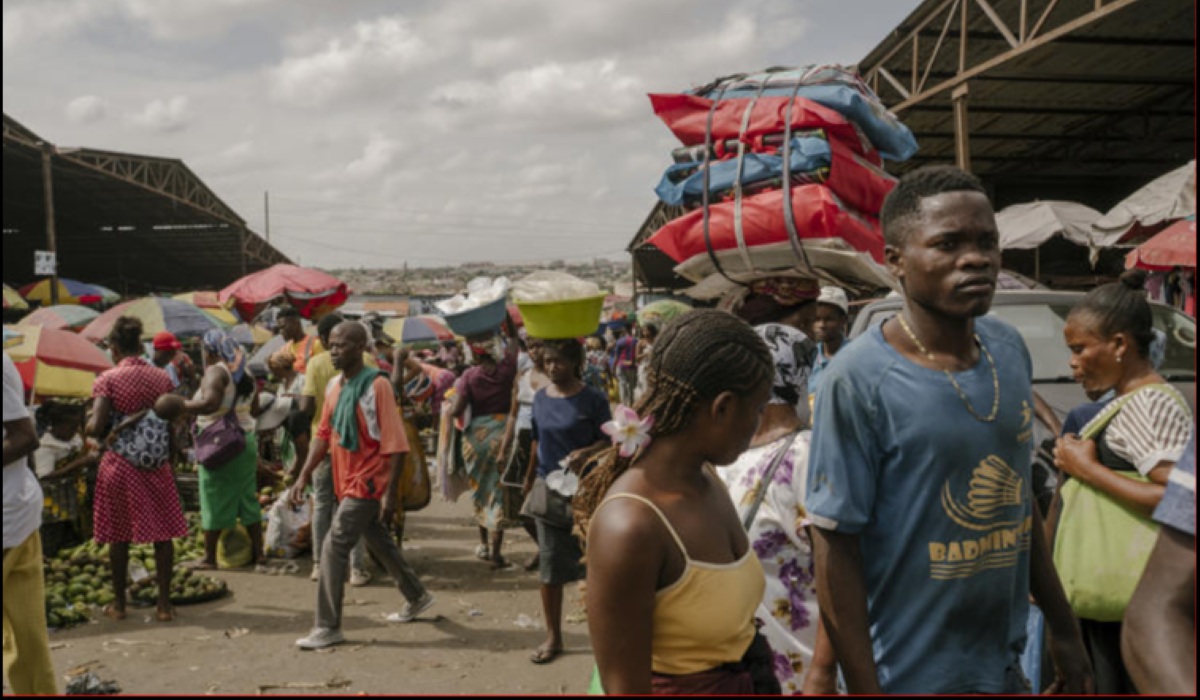
In the crowded Catinton Market in Angola’s capital, traders hawk fruits and vegetables under umbrellas that barely shield them from the scorching sun. While the morning bustle seems far removed from the conflict between the United States, Israel, and Iran, the impact is tangibly felt at the dinner tables of local residents.
Angola, a nation of 40 million people, remains one of the most unequal countries in the world. Data shows that half of its population lives on less than $3.65 per day. Meanwhile, abundant oil revenues tend to enrich the well-connected ruling elite.
The conflict in Iran is widening this gap. As a major oil producer that does not rely on the Strait of Hormuz for supply, Angola has become a primary alternative for the global market. The world’s dependence on Angolan oil presents a significant advantage for the government; however, the surge in prices for food, fuel, and fertiliser is hitting the poor hardest.
At Catinton Market, 35-year-old Veronica Simon and 31-year-old Isabelle Ferreira struggle to afford their children’s school fees. Since February, the wholesale price of a box of red chillies has quadrupled. Both are largely unaware of the specific war in Iran; they only know that their daily earnings rarely reach $2.50.
“It is not enough, but what can we do? We have no other choice,” Simon said resignedly.
Economist Arsénio Bumba stated that this war represents the latest economic shock increasing global uncertainty and driving up import costs. “The poorest households are the most affected in almost every country,” he explained.
For the Angolan government, rising oil prices mean a massive influx of cash. According to World Bank data, oil accounts for approximately 30 per cent of Angola’s GDP, 65 per cent of government revenue, and over 95 per cent of physical exports. The government planned its 2026 budget assuming an oil price of $61 per barrel, yet Brent crude prices have recently reached around $87 per barrel.
Although the government claims to have used these windfalls to settle debts and create stockpiles of food and medicine, residents in slums such as Bairro da Lixeira feel abandoned. In these areas, surrounded by waste heaps, electricity outages are frequent and clean water is unavailable.
Joveth Hebo, 33, who was forced to drop out of law school due to financial pressure, doubts these funds reach the common people. “Even though they have more money, prices keep rising. All Africans are suffering,” he said.
With presidential elections scheduled for next year, pressure on the government to address poverty is mounting. Since independence, Angola has been ruled by a single party, the MPLA (People’s Movement for the Liberation of Angola), amidst growing public frustration over political corruption which frequently triggers intense protests.
Source: jawawa.id (https://jawawa.id/newsitem/impact-of-us-iran-war-economic-inequality-in-angola-intensifies-1785513178)
Originally published by Media Indonesia (https://mediaindonesia.com/internasional/917018/dampak-perang-as-iran-ketimpangan-ekonomi-di-angola-kian-menyala), translated from Indonesian