
Impact of the Strait of Hormuz Opening on Indonesia's Economy
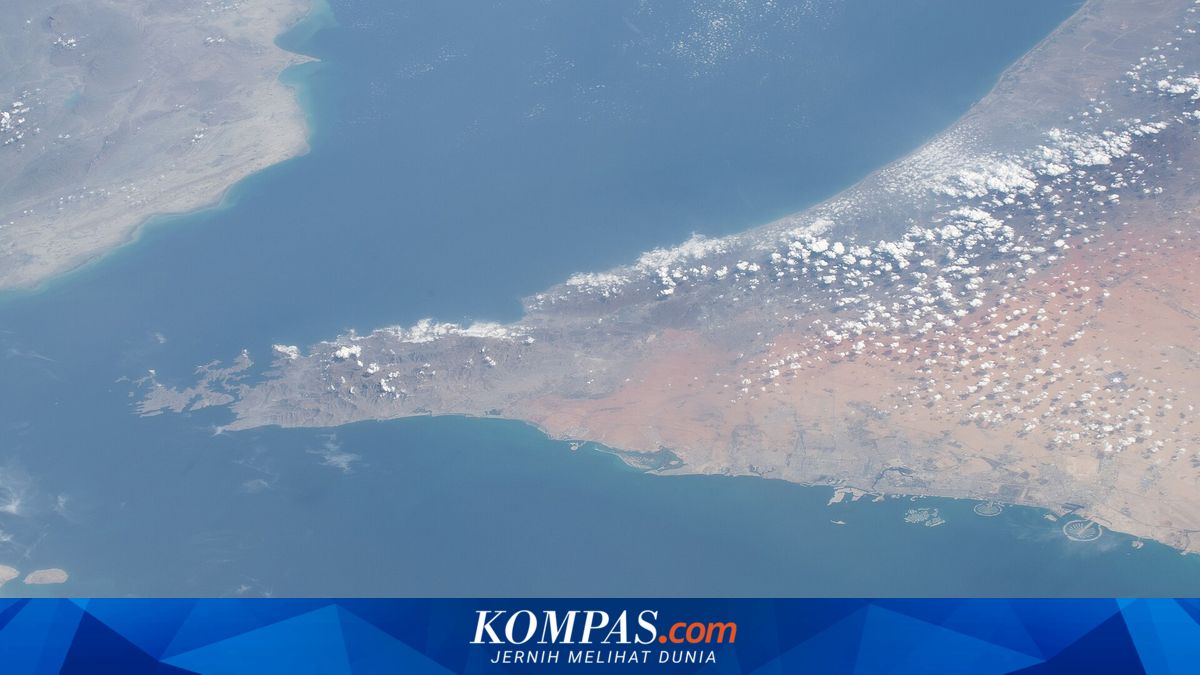
JAKARTA, KOMPAS.com - The opening of the Strait of Hormuz brings a fresh breeze, particularly for commodities such as oil, gas, and petrochemical products. However, the opening of the Strait of Hormuz is not a miracle cure for all the previous supply chain and economic problems. Economist and Professor at the Faculty of Economics, Andalas University, Padang, Syafruddin Karimi explained that the reopening of the Strait of Hormuz should be read as a short-term risk mitigation, not a full recovery. “The first effect is indeed positive; pressure on the energy market eases, oil prices drop from around $95 US per barrel to below $89 US per barrel, and global market sentiment improves,” he told Kompas.com on Saturday (18/4/2026). “For Indonesia, this development is important because energy import costs, transportation costs, and imported inflation pressures could soften slightly if the price drop persists,” he added. However, he said, the opening of Hormuz does not erase the fact that the previous war had slashed shipping traffic to only a fraction of normal levels. This has left hundreds of ships and around 20,000 sailors trapped in the Gulf region. That means Indonesia’s economy still faces risks from logistics costs, lead times, and security premiums that are not yet fully normalised. “So, the most accurate way to understand the effect of the Hormuz opening is this: it lowers the crisis temperature but has not yet restored the supply and trade foundations to a safe state,” he explained. Syafruddin elaborated that the sectors directly affected are those highly sensitive to energy, logistics, and petrochemical raw materials. Meanwhile, the food and beverage, pharmaceutical, automotive, electronics, construction, logistics, and consumer goods industries will feel the impact most quickly because they use packaging, films, bottles, containers, pipes, or resin-based components. Price data shows that major resins are still at high levels, for example, PP Injection FEA at $1,320 US per tonne and HDPE Film FEA at $1,300 US per tonne. At the upstream level, Ethylene NEA is at $1,435 US per tonne and Propylene Korea at $1,305 US per tonne. This confirms that cost pressures on plastic raw materials have not disappeared. “Indirectly affected sectors include SMEs, retail trade, distribution services, and households, because increases in packaging and derivative goods prices will ultimately be passed on to selling prices,” he said.
Source: jawawa.id (https://jawawa.id/newsitem/impact-of-the-strait-of-hormuz-opening-on-indonesias-economy-1776509459)
Originally published by Kompas (https://money.kompas.com/read/2026/04/18/170700226/dampak-pembukaan-selat-hormuz-bagi-ekonomi-indonesia?utm_source=ABC&utm_medium=rss), translated from Indonesian