
Impact of Strait of Hormuz Blockade: Fertiliser Shortages to MRI Machines at Risk of Shutting Down
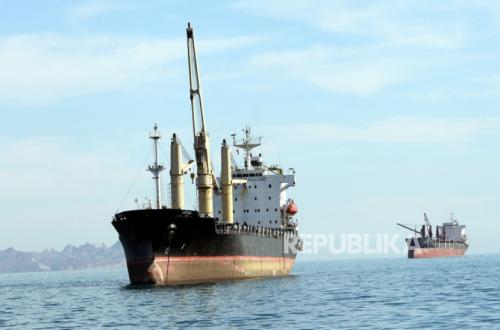
REPUBLIKA.CO.ID, JAKARTA – Executive Director of the International Energy Agency, Fatih Birol, stated that the current blockade of the Strait of Hormuz is triggering the worst oil distribution disruption ever recorded. However, the blockade carried out by Iran in response to attacks by the United States (US) and Israel does not only disrupt the world’s oil supply. Many non-oil commodities from the region are also affected. The blockade indeed disrupts the circulation of 11 million barrels of oil and 140 billion cubic metres of gas per day. However, the conflict also threatens various other commodities, from fertiliser and rare minerals to others needed for agriculture and the energy transition. The World Economic Forum, on Friday (2/3/2026), noted nine commodities besides oil impacted by the US-Iran conflict. The first commodity is fertiliser. The Arabian Gulf is a global agricultural hub contributing at least 20 per cent of maritime fertiliser exports. Around 46 per cent of urea trade, used to produce fertiliser, also originates from the region. This supply is vital for countries with large agricultural sectors, such as India, Brazil, and China. Observers warn that disruptions to fertiliser and urea supplies will increase food prices worldwide. Sulphur is also affected by the Strait of Hormuz blockade. Production of this oil and gas refining by-product is halted. Nearly half of the world’s sulphur trade passes through the Strait of Hormuz. Distribution of sulphur in the region will impact global sulphur prices. Sulphur is a raw material for sulphuric acid, a chemical needed for batteries and the phosphorus industry. Sulphur is used in the high-pressure acid leaching (HPAL) process to purify nickel, cobalt, and copper for electric vehicle batteries and renewable energy storage. This commodity is crucial for the energy transition. Indonesia, as one of the centres for electric vehicle battery production, will be affected by the weakened sulphur supply. Ultimately, this situation will disrupt global efforts towards more sustainable transportation. A third of the world’s methanol trade passes through the Strait of Hormuz. Disruptions in that narrow gap off Iran’s coast are holding up the distribution of raw materials for resins and plastics, triggering a domino effect on other chemical supply chains. This situation will complicate matters for China, the world’s largest methanol buyer. Stocks in warehouses at ports, previously sufficient, are dropping to “worrisome” levels if exports from the region remain stalled. This is expected to raise prices of plastics, paints, and synthetic fibres. Oil-producing countries also import synthetic graphite, a by-product of oil refineries. Graphite is used for anodes in electric vehicle (EV) batteries. Rising prices of synthetic graphite will affect EV batteries more than other raw materials. Synthetic graphite production heavily relies on petroleum coke, a by-product of oil refining. If refineries prioritise producing higher-value products when oil prices rise, the supply of coke will decrease. Due to this dependency, synthetic graphite prices are at risk of surging more sharply than other battery materials. This is caused by the scarcity of the main raw material supply. In addition to synthetic graphite, natural graphite is also facing price pressures. The main factor is the continuously increasing shipping costs (logistics), adding to the cost burden for battery producers. Rising prices of graphite, both synthetic and natural, exacerbate the electric vehicle industry conditions. Previously, battery production costs were already pressured by disruptions in supplies of other key minerals like nickel, cobalt, and sulphur.
Source: jawawa.id (https://jawawa.id/newsitem/impact-of-strait-of-hormuz-blockade-fertiliser-shortages-to-mri-machines-at-risk-of-shutting-down-1775204651)
Originally published by Republika (https://ekonomi.republika.co.id/berita/tcwpvy423/dampak-blokade-selat-hormuz-pupuk-langka-hingga-mesin-mri-terancam-berhenti), translated from Indonesian