
Impact of Non-Subsidised Fuel Price Increase on Listed Companies
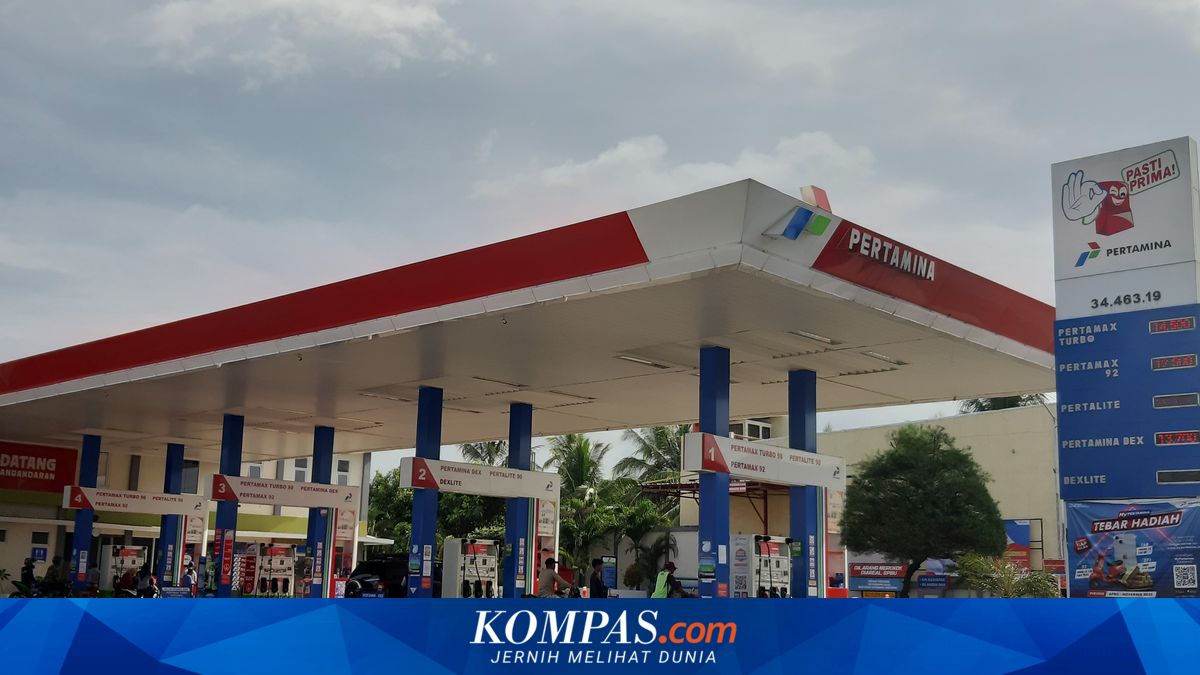
JAKARTA, KOMPAS.com - The increase in the price of non-subsidised fuel oil (BBM) is affecting the margins of transportation and manufacturing issuers. Senior Investment Information at Mirae Asset Sekuritas, Nafan Aji Gusta, stated that the rise in non-subsidised BBM prices is an unavoidable choice for the government amid ongoing global turbulence. According to him, current energy price movements are influenced not only by demand and supply factors but also by geopolitical risks in the Middle East, particularly related to strategic distribution routes such as the Strait of Hormuz. In conflict situations, the opening and closing of distribution routes is a common occurrence, creating supply uncertainty in the global market. In that context, the adjustment of domestic BBM prices is a response to external pressures. The market has essentially anticipated these risks. “From a macro perspective and market sentiment, this increase in non-subsidised BBM must be implemented due to the rise in global oil prices. As for the dynamics of the Strait of Hormuz, there are indeed openings or closures of the route,” Nafan said when contacted by Kompas.com on Monday (20/4/2026). Nafan views the impact of the non-subsidised BBM price increase on issuers in transportation, logistics, and energy-based manufacturing as not uniform, but dependent on cost structures and accompanying policies. If there are subsidy schemes or special pricing treatments for certain sectors, the pressure on operational costs can still be dampened, so the energy price increase is not fully translated into a margin decline. “If there are subsidies, for example for issuers based in transportation and logistics and manufacturing, it can certainly suppress the cost structure. It can reduce costs,” he explained. He assesses that certain transportation and logistics sectors still have room for efficiency because some of their activities use subsidised BBM, especially those related to the distribution of basic needs. This is the government’s effort to maintain price stability at the consumer level to prevent broader inflation spikes. For industry, the BBM prices used often follow market dynamics, making them more vulnerable to global fluctuations compared to sectors that still receive subsidy protection. “For energy, demand is high and rising, but the problem is the prices are also rising. However, for BBM for industry, the prices are different; they usually follow market dynamics, so this event can certainly impact and pressure the prices of issuers in those sectors,” Nafan stated.