
Impact of Iran's Strait of Hormuz Blockade: Fertilizer Scarcity and Energy Crisis
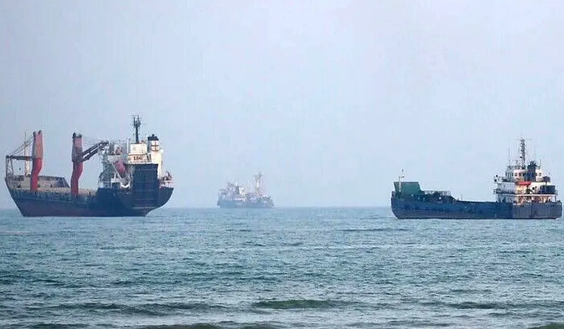
Significant disruptions to strategic shipping lanes in the Strait of Hormuz are now having a widespread impact on global food and energy security. Oleg Kobiakov, Director of the Food and Agriculture Organization (FAO) Liaison Office for the Russian Federation, stated that this situation has triggered a global fertiliser shortage and worsened energy market stability.
In a statement to RIA Novosti published on Thursday (17/9), Kobiakov emphasised that the crisis involving Iran has transformed from a momentary conflict into a prolonged systemic issue. This directly impacts the distribution of vital commodities passing through the route.
Kobiakov explained that the obstruction of traffic in the Strait of Hormuz has resulted in disruptions to the supply chain of fertilisers desperately needed by the global agricultural sector. This condition is further exacerbated by interconnected rises in energy prices.
“Disruptions to shipping traffic through the Strait of Hormuz are causing global fertiliser shortages, resulting in a worsening situation in the fertiliser market and rising energy prices,” said Kobiakov.
The Strait of Hormuz serves as a primary artery for the global energy supply, particularly for key commodities. Tensions in the region have persisted since the beginning of the year and have experienced sharp fluctuations.
The near-halt of shipping activities on this route has triggered a domino effect on the international economy. Rising fuel prices are now being felt in most countries worldwide. For the agricultural sector, the fertiliser shortage threatens global food productivity, which could trigger food price inflation in the medium term.
To date, there are no signs of a permanent de-escalation, despite diplomatic efforts made in mid-June. Global markets remain on alert regarding developments in this most crucial waterway in the Middle East.
The US Central Command (CENTCOM) reported having forced 103 ships to divert following the maritime blockade against Iran and the closure of the Strait of Hormuz.
The US military destroyed two small Iranian (IRGC) vessels attempting to seize US maritime drones in the Strait of Hormuz, as tensions escalated in the world’s primary oil route.
An attack on the El Gaia oil tanker in the Strait of Hormuz resulted in two sailors missing and 23 evacuated, with the US and Iran trading claims regarding the chronology of the incident.
Saudi Arabia is facing an oil export crisis after drone attacks disabled the East-West Pipeline, risking a 4% loss in global oil supply.
The Islamic Revolutionary Guard Corps (IRGC) claimed to have destroyed two MQ-1 drones in the Strait of Hormuz using their latest advanced air defence systems.
Source: jawawa.id (https://jawawa.id/newsitem/impact-of-irans-strait-of-hormuz-blockade-fertilizer-scarcity-and-energy-crisis-1789624500)
Originally published by Media Indonesia (https://mediaindonesia.com/internasional/934374/dampak-iran-blokade-selat-hormuz-pupuk-langka-dan-krisis-energi), translated from Indonesian