
Impact of Fuel Prices: Government Urged to Prioritise Electric Buses
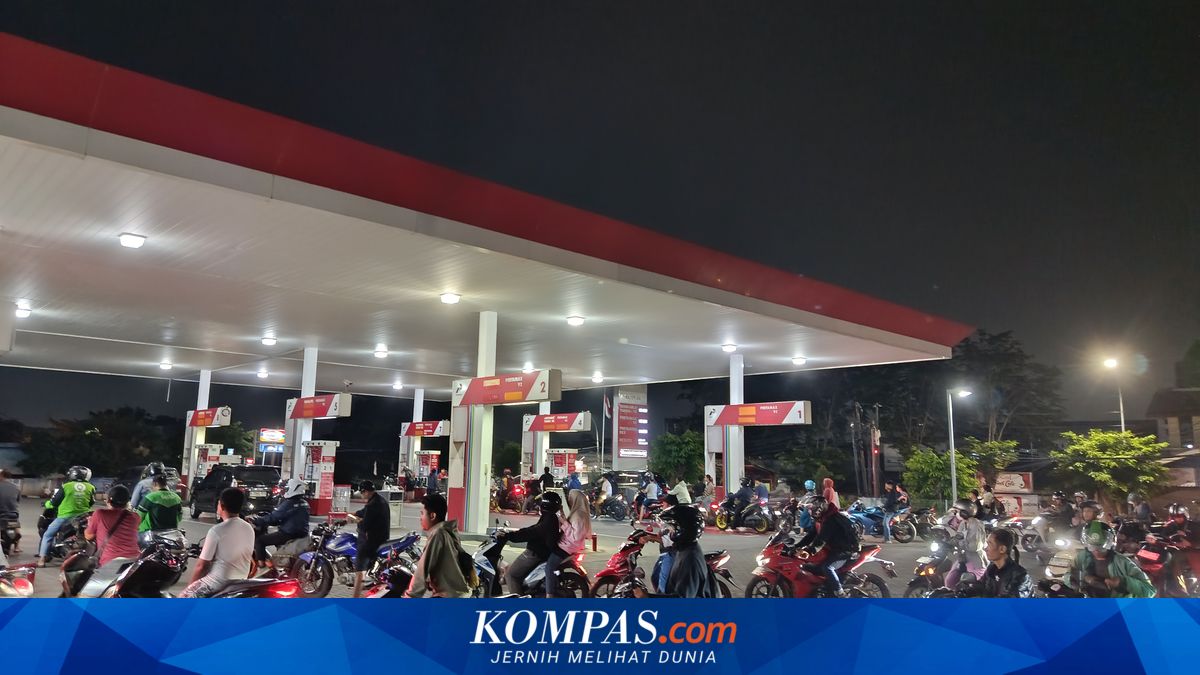
JAKARTA – Queues of vehicles at several public fuel filling stations (SPBU) recently snaked for some distance. This panic buying phenomenon was triggered by public concerns over rumours of fuel price increases that have been circulating lately. The heavy dependence on private vehicles is seen as the root cause of why the public always reacts excessively whenever issues of energy price adjustments surface. “Public dependence on private vehicles is very high. So when fuel prices rise, they automatically panic,” said Darmaningtyas, when contacted by Kompas.com recently. According to him, the lack of affordable and efficient alternative transport modes forces residents to continue using private motorbikes or cars for daily mobility. As a result, fluctuations in fuel prices directly impact household economic stability. “But this has never been a lesson for the government. In situations like this, the government should create smart programmes,” said Darmaningtyas. He offered sharp criticism of the current direction of electrification policies, which lean more towards providing subsidies for private electric vehicles rather than improving the public service sector. “Buy electric buses for public transport and distribute them to all regions. Not convert fuel motorbikes to electric ones. The government seems to always repeat the follies that happened in the past,” he stated. Without massive improvements to public transport systems in various regions, the panic buying phenomenon and public economic vulnerability to fuel prices are predicted to continue recurring in the future.